Master Breathing Exercises: A Guide to Calm, Focus & Health
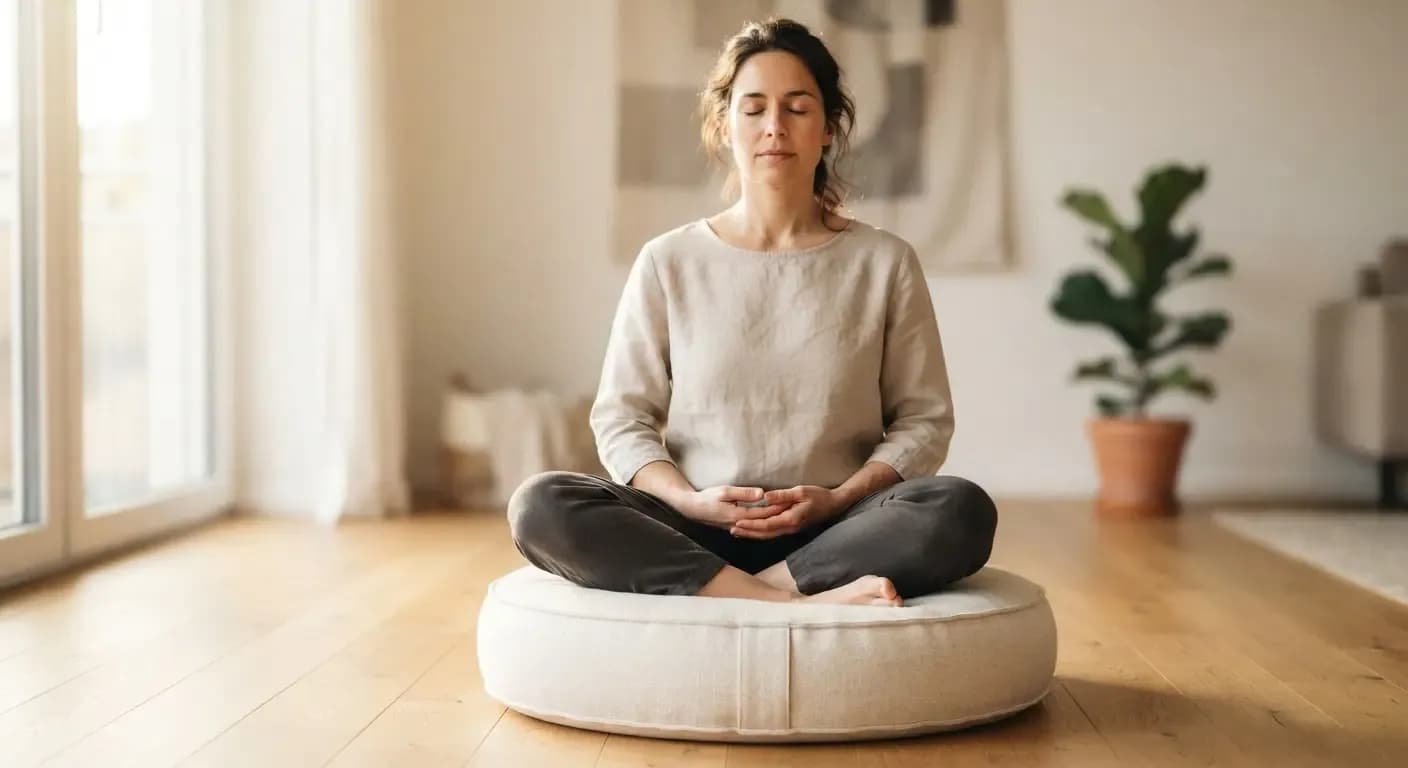
Feeling stressed, unfocused, or just plain tired? It’s a common feeling in our busy world. But what if the solution wasn't in another cup of coffee or a weekend escape, but right here, inside you? The power to change how you feel is as simple as your own breath, and this guide will show you exactly how to use it.
"Discover the science behind your breath and learn proven techniques to manage anxiety, boost energy, and improve your health in just minutes a day."
The Untapped Power of Your Breath
Let's be real: modern life is a lot. Between digital overload, work pressure, and endless to-do lists, it's no wonder so many of us feel caught in a cycle of chronic stress and anxiety. But there’s a free, powerful tool you have with you at all times: your breath. Conscious breathing isn't just about calming down for a moment; it's a scientifically-backed way to manage your body's stress response for long-term health benefits. In this guide, you’ll learn the 'why' behind breathing exercises, a few simple techniques you can use anywhere, and how to build a practice that sticks.
Why We're All Breathing Wrong: The Science of Stress and Breath
Have you ever noticed how you breathe when you're stressed? It’s probably short, shallow, and high up in your chest. This is your body's 'fight or flight' mode kicking in, run by something called the Sympathetic Nervous System. It's useful if you're running from a lion, but not so great when you're just dealing with a stressful email. When we're stuck in this state, we're mostly chest breathing.
The opposite of this is deep, 'diaphragmatic breathing'—also known as belly breathing. This is the natural, efficient way our bodies are meant to breathe. It activates the 'rest and digest' mode, run by the Parasympathetic Nervous System. The secret connection between your breath and feeling calm is a superhighway called the Vagus Nerve. According to health experts at Johns Hopkins Medicine, when you breathe deeply and slowly, you stimulate this nerve. It sends a message to your brain saying, "Hey, everything is okay." This simple act can slow your heart rate, lower stress hormones, and bring a feeling of peace.
Your Step-by-Step Breathing Exercise Toolkit
Think of these exercises as a first-aid kit for your mind. Whether you need to find focus, calm down quickly, or get ready for sleep, there's a technique for you. Here are a few to get you started.
Diaphragmatic Breathing (Belly Breathing)
Best for: Building a foundation for all other breathing exercises and daily stress reduction.
- Get comfortable: Lie on your back or sit in a chair with your feet flat on the floor.
- Place your hands: Put one hand on your upper chest and the other on your belly, just below your rib cage.
- Breathe in: Inhale slowly through your nose for about 4 seconds. Feel your belly rise and push your hand up. The hand on your chest should stay relatively still.
- Breathe out: Exhale slowly through your pursed lips for about 6 seconds, feeling your belly fall.
- Repeat: Continue for 5-10 minutes.
Pro-Tip: The biggest beginner mistake is moving the chest instead of the belly. Really focus on that hand on your stomach rising and falling.
Box Breathing
Best for: Regaining focus and calming your nerves in a high-stress moment.
- Exhale completely: Get all the air out of your lungs.
- Inhale for 4: Breathe in slowly through your nose to a count of four.
- Hold for 4: Hold your breath for a count of four.
- Exhale for 4: Breathe out slowly through your mouth for a count of four.
- Hold for 4: Hold your breath again for a count of four.
- Repeat: Continue the cycle for a few minutes until you feel centered.
Pro-Tip: Visualize drawing a box in your mind as you go through the four steps. It helps keep your mind from wandering.
The 4-7-8 Breathing Technique
Best for: Falling asleep or dealing with intense anxiety.
- Prepare: Sit or lie down. Place the tip of your tongue against the ridge of tissue just behind your upper front teeth.
- Exhale fully: Let out a whooshing sound as you empty your lungs.
- Inhale for 4: Close your mouth and inhale quietly through your nose to a count of four.
- Hold for 7: Hold your breath for a count of seven.
- Exhale for 8: Exhale completely through your mouth, making that whoosh sound, for a count of eight.
- Repeat: This is one breath. Repeat the cycle three more times.
Pro-Tip: The exhale is the most important part. Make sure it's twice as long as the inhale to really activate your relaxation response.
When Practice Isn't Enough: Supporting Your System from Within
Breathing exercises are fantastic, but sometimes, when stress has been a long-term visitor, our bodies can feel depleted. You might do the exercises and feel better for a moment, but the underlying feelings of anxiety or a low mood creep back in. This is a sign that your system might need some extra support from the inside out to find its balance again.
This is where supporting your body's natural chemistry can be a great partner to your breathing practice. Products like NuviaLab Relax are designed to do just that. It's a food supplement with a blend of 10 natural ingredients that work together to help you maintain a good mood and emotional balance. Its ingredients help induce a feeling of calmness, have an adaptogenic effect against stress, and can even contribute to better sleep quality. By supporting your body internally, you can make your external breathing practice even more effective.
Explore Support for Your Emotional Balance
Making It Stick: How to Build a Lasting Breathing Habit
The real magic happens with consistency. But building a new habit can be tricky. Here’s how to make it easy.
- Start small: Don't try to meditate for 30 minutes on day one. Start with just 2-5 minutes a day. The goal is to build momentum, not burn out.
- Habit stack: Link your new breathing practice to something you already do every day. For example: "After I pour my morning coffee, I will do two minutes of box breathing." This advice, popularized by author James Clear, makes it almost automatic.
- Use triggers: Turn stressful moments into your cue to breathe. When you get a frustrating email or feel overwhelmed, take that as your signal to pause and do one minute of deep breathing. It transforms a negative trigger into a positive action.
Frequently Asked Questions (FAQ)
How long does it take to feel the benefits of breathing exercises?
You can feel short-term benefits like a sense of calm almost immediately during and after a session. For more lasting changes, like a general reduction in anxiety and improved sleep quality, consistency is key. Many people report noticing a real difference after two to four weeks of daily practice.
What is the biggest mistake when starting breathing exercises?
The most common mistake is using your chest and shoulders to breathe instead of your diaphragm. This is known as shallow 'chest breathing' and is less effective. Focus on letting your belly expand as you inhale to ensure you're taking deep, restorative breaths.
Can breathing exercises really help with sleep?
Absolutely. Techniques like the 4-7-8 breath are specifically designed to calm the nervous system and prepare the body for rest. Many people find that it helps quiet a racing mind and allows them to fall asleep more quickly.
Your First Breath Towards a Calmer, Healthier You
The main takeaway is this: you hold the power to regulate your stress and boost your well-being. It's already within you. By practicing these simple breathing exercises, you can reduce anxiety, sharpen your focus, and get better sleep. It’s a journey that starts with a single, conscious breath. Take that first step today.