Where to Buy Exercise Equipment for Home: A Complete Guide
So, you're ready to build your dream home gym. That's exciting! But then the overwhelm hits. Endless websites, confusing options, and prices all over the map. How do you know where to start or who to trust? It's a common feeling, and it stops a lot of people before they even begin.
"This guide cuts through the noise, showing you exactly where to find the right exercise equipment for your space, your goals, and your budget."
Introduction: Navigating Your Home Fitness Purchase
Buying exercise equipment for your home can feel more complicated than the workout itself. There are so many choices, with quality and pricing that seem to vary wildly. This guide is your clear roadmap. We'll walk you through understanding your options, so you can make a purchase you feel great about.
Believe it or not, where you buy your gear is just as important as what you buy. The right retailer can make all the difference in quality, support, and overall experience. We'll help you figure out the best place for your needs, so you can focus on what really matters: your fitness journey.
Where Can You Buy Home Exercise Equipment? The Pros & Cons
Your options for buying home gym equipment are plentiful, but they aren't all created equal. From specialized online stores to your local big-box retailer, each has its own set of advantages and disadvantages. Let's break them down.
Buying Method — Pros — Cons — Best For
Specialized Online Fitness Retailers — Wide selection of quality gear, expert advice available, good customer service and warranty support. — Can be overwhelming, can't see the item in person before buying. — Those who want the best quality, selection, and expert support.
General Online Marketplaces — Vast selection, competitive pricing, fast shipping options. — Quality can be questionable, fake reviews, customer service is often lacking for complex products. — Shoppers looking for small items or who are comfortable vetting third-party sellers.
Big-Box Stores — Can see and touch the equipment, easy returns for smaller items. — Limited selection (mostly entry-level), staff may lack specialized knowledge. — Beginners looking for basic, affordable gym equipment to get started immediately.
Second-Hand Market — Lowest prices, potential for great deals. — High risk: no warranty, potential for hidden damage or wear, safety concerns. — Budget-conscious buyers who are knowledgeable about equipment and willing to take a risk.
While a cheap deal on a second-hand marketplace might seem tempting, remember the risks. There's no warranty, and you don't know the history of the equipment. For peace of mind and safety, especially with strength training equipment for home, buying new from a trusted source is often the smarter long-term choice.
Decoding Price Ranges: What Your Budget Gets You
You don't need to spend a fortune to get a great workout at home. The key is understanding what you can expect at different price points. Investing a bit more upfront often means better durability and more features, which can save you money in the long run by avoiding replacements.
Here’s a general idea of what your budget can get you:
- Under $200: The Essentials. This is the perfect range for building a foundation. Think high-quality resistance bands, yoga mats, kettlebells, and maybe a pull-up bar. This is all you need for a fantastic full-body workout.
- $200 - $1000: The Upgrade. In this range, you can invest in more substantial pieces. This includes quality weight benches, versatile adjustable dumbbells, and solid entry-level spin bikes or ellipticals. This is where you can start building a dedicated home exercise gear collection.
- $1000+: The Dream Gym. If you have the budget and the space, this tier is for high-end equipment. We're talking full squat racks, premium treadmills, and all-in-one smart home gyms that offer guided workouts.
The best budget is the one that's realistic for you. Start with what you can afford, and remember that you can always add more pieces later.
Key Factors to Consider Before You Buy
Before you click that "buy" button, take a moment to think through a few key details. Answering these questions will ensure the home gym equipment you choose is a perfect fit for you and your home.
Space & Footprint
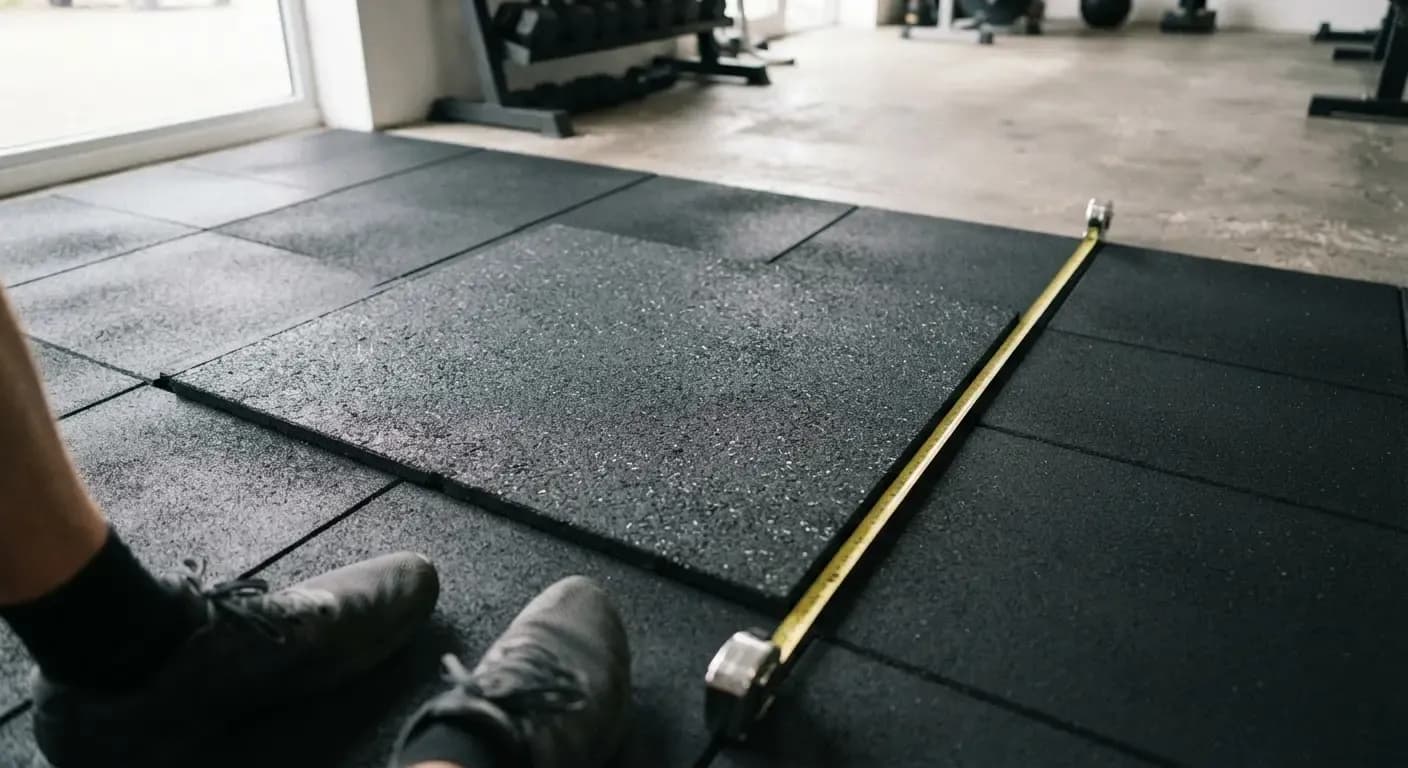
This is the number one rule of building a home gym: measure your space! Check the dimensions of the equipment and make sure you have enough room not just for the machine itself, but also to use it comfortably and safely. Look for compact or foldable options if you're tight on space.
Fitness Goals
What are you trying to achieve? Your goals will determine the best gear for you. If your goal is weight loss and heart health, cardio machines might be your focus. If you want to build muscle, free weights or strength training equipment are essential. For toning and flexibility, resistance bands and a good mat might be all you need.
Durability & Warranty
You want your equipment to last. Check the materials, construction, and weight capacity. A solid warranty is a great indicator of a manufacturer's confidence in their product. It provides peace of mind and protects your investment.
Versatility
To get the most bang for your buck and save space, look for multi-function equipment. Adjustable dumbbells replace an entire rack of weights. A good bench can be used for dozens of exercises. Functional trainers offer near-limitless workout possibilities in a single machine. Versatile gear is a smart investment for any home gym.
Your Pre-Purchase Checklist:
- Space Measured & Confirmed? (Y/N)
- Primary Fitness Goal Defined? (Y/N)
- Equipment Warranty Checked? (Y/N)
- Read Customer Reviews? (Y/N)
Frequently Asked Questions (FAQ)
Is it better to buy one expensive machine or several cheaper items?
This really depends on your goals and available space. If your goal is very specific (like training for a marathon), one high-quality machine like a treadmill might be best. However, for most people seeking overall fitness, a collection of versatile, cheaper items (like adjustable dumbbells, a bench, and bands) offers a much wider variety of workout options.
Do I need professional assembly?
It depends on the item. Simple things like resistance bands or kettlebells require no assembly. A weight bench might take 30 minutes with simple tools. Complex machines like treadmills or large squat racks can be tricky. Always check the product description. Many sellers offer professional assembly for an additional fee, which can be well worth it for peace of mind.
What's the most essential piece of equipment for a beginner?
For a true beginner, the best place to start is with something versatile and low-impact. Resistance bands are fantastic because they're affordable, take up no space, and can be used for a full-body workout. If you have a slightly larger budget, a set of adjustable dumbbells is arguably the single best investment for a home gym, as it can grow with you as you get stronger.
Conclusion
Creating your perfect home gym doesn't have to be a stressful process. By thinking about your space, defining your goals, and choosing where to buy wisely, you can confidently invest in equipment that will serve you for years to come. Now you have the roadmap—it's time to take the first step on your fitness journey.