The Ultimate Guide to Foods That Lower Blood Pressure
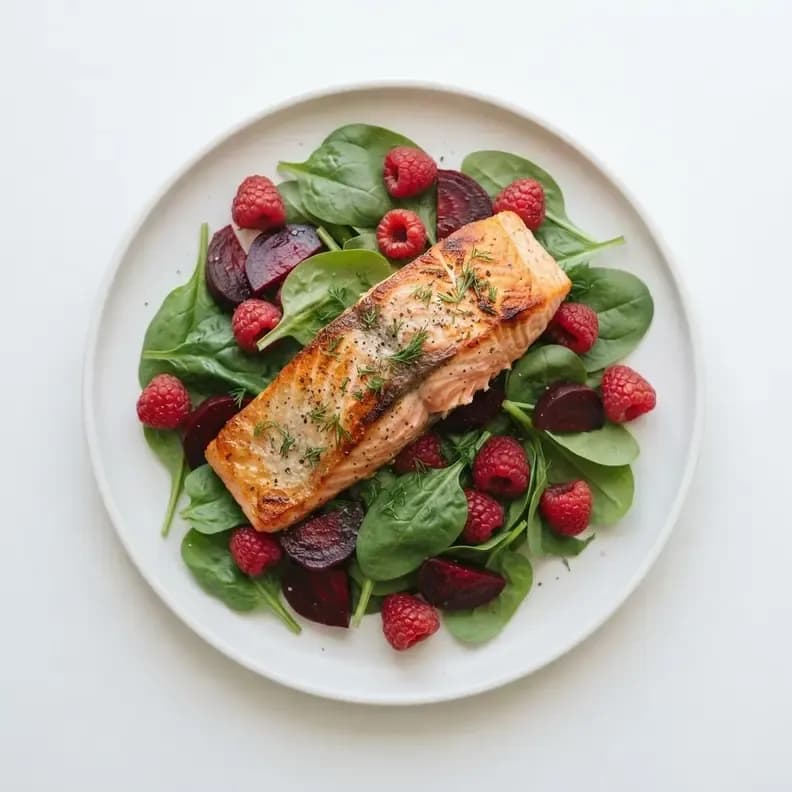
Ever feel like you're just a number? Especially when that number is your blood pressure reading. It can be stressful, right? You might think managing it involves a complicated routine, but what if I told you the most powerful tool is already in your kitchen? This guide will show you exactly which foods can help you naturally manage your blood pressure, one tasty bite at a time.
"The solution to high blood pressure might not be in the pharmacy, but in your pantry. It's about adding delicious, powerful foods to your plate, not just taking things away."
Why Your Plate is Your First Line of Defense Against High Blood Pressure
High blood pressure, or hypertension, is super common. In fact, according to the CDC, nearly half of adults in the U.S. have it, and it's a major risk factor for serious health issues. But here’s the good news: your diet is one of the most effective ways you can take back control. It's empowering to know that the choices you make at every meal can make a real difference for your heart health.
In this guide, we'll dive into the specific foods that help, the science behind why they work, and how you can build a sustainable, heart-healthy eating plan without feeling deprived. It's all about making smart, simple swaps. While diet is a huge part of the picture, managing your overall well-being, including your mood and stress levels, is also key to a healthy lifestyle. Sometimes, a little extra support can help.
This article may contain affiliate links. If you purchase a product through one of them, we may receive a commission.
For those looking for extra support in maintaining emotional balance and a good mood, a carefully formulated supplement can be a great partner to your dietary changes. NuviaLab Relax is designed with natural ingredients that help you relax and maintain a sense of calm.
The Science of Eating for Heart Health: Key Nutrients Explained
So, how does food actually lower blood pressure? It comes down to a few key nutrients that act as your body's support team. Think of them as heroes and villains for your blood vessels. Here’s a quick rundown of who’s who.
- Potassium: This is a true hero. It helps your body get rid of sodium and eases tension in your blood vessel walls. Think of it as the counter-balance to salt.
- Magnesium: This mineral is all about relaxation. It helps relax your blood vessels, allowing blood to flow more easily. Getting enough is important for blood pressure regulation.
- Nitrates: Found in veggies like beets and leafy greens, your body converts these into nitric oxide. Nitric oxide is amazing because it widens blood vessels, which directly helps lower blood pressure.
- Flavonoids: These are antioxidants found in foods like berries and dark chocolate. They help improve the function of your blood vessels and increase nitric oxide production.
On the flip side, you have the villains that can raise blood pressure:
- Sodium: This is the big one. Too much sodium makes your body hold onto extra water, which increases the volume of blood in your bloodstream and raises your blood pressure.
- Saturated Fats and Added Sugars: While not as direct as sodium, these can contribute to weight gain and inflammation, which are not friends to your heart or blood pressure.
15+ Best Foods to Naturally Lower Your Blood Pressure
Ready for the fun part? Let's talk about all the delicious foods you can add to your diet. This isn't about restriction; it's about abundance!
Leafy Greens
Examples: Spinach, kale, Swiss chard, arugula.
Why they work: They are packed with nitrates, which your body converts to nitric oxide to help relax blood vessels. They're also a great source of potassium.
Simple tip: Toss a handful of spinach into your morning smoothie or use kale as a base for your lunch salad.
Berries
Examples: Blueberries, strawberries, raspberries.
Why they work: They are loaded with antioxidants called flavonoids, particularly anthocyanins, which have been linked to lower blood pressure.
Simple tip: Top your oatmeal or yogurt with a cup of mixed berries, or just enjoy them as a sweet snack.
Beetroots
Why they work: Beets are nitrate powerhouses. Drinking beet juice or eating whole beets can significantly improve blood pressure readings by widening blood vessels.
Simple tip: Roast them as a side dish, shred them into salads, or blend them into a smoothie.
Fatty Fish
Examples: Salmon, mackerel, sardines.
Why they work: They are rich in omega-3 fatty acids, which are known to reduce inflammation and can help lower blood pressure.
Simple tip: Aim to swap red meat for fatty fish at least twice a week. Grilled salmon with a side of roasted veggies is an easy win.
Seeds
Examples: Pumpkin, flax, and chia seeds.
Why they work: These tiny seeds are a fantastic source of magnesium and potassium, two minerals essential for blood pressure control.
Simple tip: Sprinkle a tablespoon of mixed seeds over your yogurt, salad, or oatmeal.
Beans and Lentils
Why they work: They are full of fiber, magnesium, and potassium. Including them in your diet is a great way to support overall heart health.
Simple tip: Add a can of rinsed black beans to your soup or swap ground meat for lentils in your next batch of chili.
Pistachios
Why they work: Among nuts, pistachios seem to have one of the strongest effects on lowering blood pressure. They're full of healthy fats and potassium.
Simple tip: A handful of unsalted pistachios makes for a satisfying and heart-smart afternoon snack.
Carrots
Why they work: Carrots contain phenolic compounds that help relax blood vessels and reduce inflammation.
Simple tip: Enjoy raw carrots with hummus for a snack or roast them with a little olive oil for a sweet and savory side dish.
Tomatoes
Why they work: They are rich in potassium and the antioxidant lycopene, which is linked to good heart health.
Simple tip: Add fresh tomatoes to salads and sandwiches, or use tomato paste to enrich sauces and soups.
Greek Yogurt
Why it works: Dairy products are a good source of calcium, and yogurt specifically is also packed with potassium. Choose plain, unsweetened varieties.
Simple tip: Use plain Greek yogurt as a base for smoothies or as a healthier substitute for sour cream.
Hibiscus Tea
Why it works: Some studies have shown that drinking hibiscus tea regularly can be quite effective. One trial showed it lowered systolic blood pressure by an average of 7.2 mmHg.
Simple tip: Swap one of your daily coffees or sodas for a cup of unsweetened hibiscus tea, hot or iced.
Garlic
Why it works: Garlic contains a compound called allicin, which is released when garlic is crushed or chopped. It may help increase nitric oxide production, helping blood vessels relax.
Simple tip: Add fresh garlic to your stir-fries, sauces, and dressings for a flavor and health boost.
How to Build a Sustainable Heart-Healthy Eating Plan (The DASH Diet Framework)
Feeling overwhelmed? Don't be. There’s a proven, flexible framework called the DASH (Dietary Approaches to Stop Hypertension) diet. It's less of a strict diet and more of a healthy eating pattern that emphasizes the foods we just talked about. It focuses on fruits, veggies, whole grains, and lean proteins while limiting sodium, red meat, and sweets.
Here’s what a day on the DASH plan might look like:
Meal — Example Foods — DASH Food Groups
Breakfast — Oatmeal with berries and a sprinkle of flax seeds. — Grains, Fruits, Nuts/Seeds
Lunch — Large salad with mixed greens, grilled chicken, tomatoes, and a light vinaigrette. — Vegetables, Lean Protein, Fats/Oils
Dinner — Baked salmon with a side of brown rice and steamed broccoli. — Lean Protein, Grains, Vegetables
Snacks — An apple with a small handful of pistachios; plain Greek yogurt. — Fruits, Nuts/Seeds, Dairy
The key to long-term success is making gradual changes. Don't try to overhaul everything at once. Start by adding one more vegetable to your dinner or swapping your afternoon chips for a piece of fruit. And remember to read labels to spot hidden sodium! Making a new lifestyle stick can be challenging, especially when life gets busy or stressful. For consistent support in maintaining your calm and emotional balance, a targeted supplement can help. This trusted formula is designed to complement a heart-healthy diet and lifestyle.
Foods to Limit When You Have High Blood Pressure
Just as important as what you add to your diet is what you limit. The biggest offenders are often processed and packaged foods, which are loaded with sodium. According to the CDC, some of the top sources of sodium in the American diet aren't what you'd expect. They include things like bread, pizza, cold cuts, and canned soups.
- High-Sodium Processed Foods: Think deli meats, canned soups, frozen dinners, and savory snacks like chips and pretzels. Sodium makes your body retain water, which puts extra pressure on your blood vessels.
- Sugary Drinks: Sodas and other sweet drinks can contribute to weight gain, which is a risk factor for high blood pressure.
- Excessive Saturated and Trans Fats: Often found in fatty red meats, full-fat dairy, and commercially baked goods, these fats aren't good for your overall heart health.
Try making some simple swaps. Instead of salted chips, try a handful of unsalted nuts. Instead of a sugary soda, try sparkling water with a squeeze of lemon.
Frequently Asked Questions (FAQ)
How quickly can I lower my blood pressure with diet?
Pretty fast, actually! Clinical trials on the DASH diet have shown that blood pressure can start to improve within just one to two weeks. The full effects of reducing sodium might take about four weeks or a bit longer to stabilize, but you can see measurable changes quite quickly.
Is sea salt healthier than table salt?
Not really when it comes to blood pressure. While sea salt might have trace amounts of other minerals, it has the same amount of sodium by weight as regular table salt. The most important thing is to reduce your overall sodium intake, regardless of the source.
Can I still drink coffee?
For most people, yes. While caffeine can cause a temporary, short-term spike in blood pressure, research suggests that habitual, long-term coffee consumption doesn't seem to increase the risk of developing hypertension. If you're sensitive to caffeine or your blood pressure is hard to control, it's a good idea to chat with your doctor.
What's more important: diet or exercise?
They are both incredibly important and work best as a team! A heart-healthy diet helps provide the right nutrients and control sodium, while regular physical activity strengthens your heart and improves blood flow. You'll get the best results by combining both.
Take Control of Your Heart Health Today
The main takeaway is this: you have so much power to manage your blood pressure and improve your heart health through your food choices. It's not about a perfect diet, but about making small, consistent steps in the right direction. Start by adding one or two of the foods from our list this week. You've got this!
As you build these healthy eating habits, remember that managing your overall well-being, including stress and mood, is also a key part of the puzzle. For extra support in maintaining a calm and balanced state of mind, you can learn more about a science-backed formula designed to help you relax and feel your best.