Glute Bridge vs. Hip Thrust: The Best Exercises for Glute Growth
Tired of doing endless squats and lunges without seeing the glute growth you want? I've been there. You put in the work, but the results are slow. It often feels like you're missing a secret piece of the puzzle. The truth is, you might be overlooking the most powerful exercises specifically designed to build your glutes.
"What if the single best exercise for your glutes isn't a squat at all? It's time to settle the debate between the glute bridge and the hip thrust."
The Ultimate Guide to Building Stronger Glutes: Which Exercise Wins?
Welcome! If you're here, you're probably looking to build stronger, more defined glutes. Whether it's for looks, athletic performance, or just feeling strong and healthy, you've come to the right place. The big question everyone asks is: what's the best exercise for glutes? Is it the glute bridge vs hip thrust? Or do smaller moves like donkey kicks and clamshells hold the key?
This guide will break it all down for you. We'll look at the pros and cons of each movement to help you choose the right exercises for your goals. Plus, we’ll talk about how one simple tool can make almost all of these exercises more effective, helping you see progress faster. This article contains affiliate links. If you make a purchase, we may earn a commission.
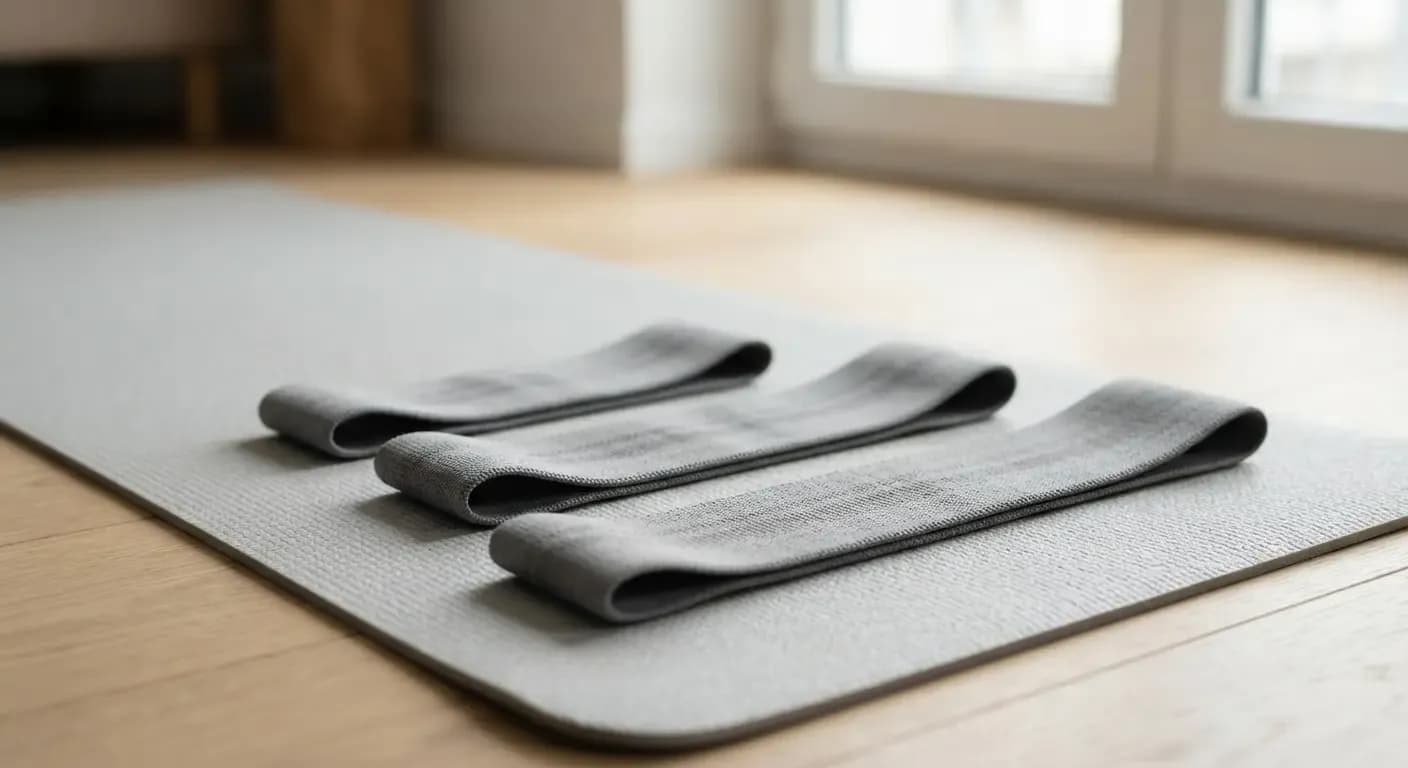
A good set of resistance bands is one of the most versatile pieces of equipment you can own for glute training. You can check out the details on a great option here.
At a Glance: The Best Glute Exercises Compared
Sometimes you just need a quick overview. This table breaks down the most popular glute exercises so you can see how they stack up against each other. Pay attention to the 'Primary Goal' column to match the exercise to what you want to achieve.
Exercise — Primary Goal — Muscles Targeted — Difficulty Level — Equipment Needed
Glute Bridge — Activation & Foundation — Gluteus Maximus, Hamstrings — Beginner — Bodyweight or Resistance Band
Hip Thrust — Maximum Growth (Hypertrophy) — Gluteus Maximus, Hamstrings — Intermediate — Bench, Weights or Resistance Band
Donkey Kick — Isolation & Shaping — Gluteus Maximus & Medius — Beginner — Bodyweight or Resistance Band
Fire Hydrant — Outer Glute Sculpting — Gluteus Medius & Minimus — Beginner — Bodyweight or Resistance Band
Clamshell — Hip Stability & Injury Prevention — Gluteus Medius — Beginner — Bodyweight or Resistance Band
As you can see, a resistance band is a fantastic tool to level up almost every single one of these movements. It's the easiest way to add challenge and progress without needing a full gym.
1. The Glute Bridge: Master the Foundation of Glute Activation
Think of the glute bridge as the starting point for all great glute workouts. It's a simple, foundational movement that teaches you how to properly activate your glutes and extend your hips without putting a lot of strain on your lower back. It primarily targets the gluteus maximus.
- Pros: It's perfect for beginners, requires zero equipment to start, serves as an excellent warm-up to 'wake up' your glutes before a big workout, and teaches the fundamental movement of hip extension.
- Cons: The range of motion is smaller compared to a hip thrust, which can limit growth potential. It's also harder to add a lot of weight to it, making progressive overload a bit tricky without the right tools.
- Best For: Anyone new to glute training, people with lower back sensitivity, or as an activation exercise at the beginning of a leg day.
To make this exercise more challenging at home, you can add resistance with these bands. Just loop one around your thighs, and you'll feel the difference immediately.
2. The Hip Thrust: The Undisputed King of Glute Hypertrophy
If your main goal is to grow your glutes, the hip thrust is your new best friend. By elevating your back on a bench, you dramatically increase the range of motion. This allows you to move heavier weight through a larger distance, which is the key recipe for muscle growth (hypertrophy).
- Pros: Studies and anecdotal evidence point to it being one of the best exercises for glute growth. It allows for heavy progressive overload with barbells, dumbbells, or bands, and it targets the glutes at the very top of the movement where they are working hardest.
- Cons: You need a bench or some kind of sturdy, elevated surface. Getting into position with a heavy barbell can also be awkward and a little intimidating for beginners.
- Best For: Anyone whose primary goal is to increase the size and strength of their glutes.
Don't have a bench and barbell at home? No problem. A resistance band provides a perfect starting point to build strength and master the form. You can check pricing here.
3. Donkey Kicks & Fire Hydrants: Isolate and Sculpt Your Glutes
These two exercises are your secret weapons for targeting the smaller glute muscles. While hip thrusts and bridges work the big gluteus maximus, donkey kicks and fire hydrants are amazing for hitting the gluteus medius and minimus—the muscles on the side of your hips. This is what helps create a rounder, fuller look.
- Pros: They are excellent for isolating those smaller, hard-to-hit stabilizing muscles. They also improve hip mobility and can contribute to that coveted 'round' shape.
- Cons: You can't load these exercises very heavily, so they aren't mass-builders on their own. Form is also key; many people swing their leg using momentum instead of squeezing the glute.
- Best For: Using as a 'finisher' at the end of a workout to burn out the glutes, specifically targeting the outer glutes, and improving overall hip stability.
These moves are okay with just bodyweight, but a band makes them 10 times more effective. You will absolutely feel the burn. Get yours here.
4. The Clamshell: Your Secret Weapon for Hip Stability and Injury Prevention
The clamshell might not look like much, but don't underestimate it. This isn't an exercise for building a massive backside, but it's critically important for hip health, stability, and preventing pain. It specifically targets the gluteus medius, a key muscle for stabilizing your pelvis.
- Pros: It's one of the best exercises for targeting the gluteus medius, which helps stabilize the pelvis and prevent knee and hip pain. It's especially great for runners and can be done literally anywhere.
- Cons: It's not designed for building significant muscle size, and there's limited room for progression once you master the movement with a strong band.
- Best For: Runners, people experiencing hip or knee pain, and as a core part of any solid warm-up routine to activate the hips properly.
This is another exercise where a band makes all the difference. Slow, controlled movements are key. See the perfect band set for clamshells and more right here.
Decision Guide: Which Glute Exercise is Right for You?
Okay, let's put it all together. You don't need to do every exercise. You need to do the right exercises for *your* goal.
If your goal is MAXIMUM GLUTE GROWTH:
You should prioritize the Hip Thrust. This will be your main strength and size builder. Use the Glute Bridge as part of your warm-up to activate the muscles, and add Donkey Kicks or Fire Hydrants as a finisher to target the side glutes for a rounder shape.
If you are a BEGINNER or work out AT HOME:
Start with the Glute Bridge. It's the safest way to master the hip extension movement. Once you can do 20-25 reps easily, it's time to add a resistance band. This is your first step in progressive overload and will build the strength needed to eventually move on to hip thrusts.
If you want to REDUCE PAIN or improve STABILITY:
Your focus should be on building a strong foundation. Make Clamshells and bodyweight Glute Bridges your go-to exercises. These will strengthen the stabilizing muscles around your hips and pelvis, which can help reduce strain on your lower back and knees.
No matter your goal, a quality resistance band set is the most versatile and cost-effective tool for making progress. See our top-rated choice now.
Frequently Asked Questions (FAQ)
Why do I feel glute bridges in my hamstrings or lower back?
This is super common! It's usually a sign of a small form issue. If you feel it in your hamstrings, try moving your feet a little closer to your glutes. If you feel it in your lower back, you're likely arching your back too much at the top. Focus on tucking your pelvis slightly and squeezing your glutes to lift, stopping when your body is in a straight line from your knees to your shoulders.
How many times a week should I train glutes for growth?
For most people, training glutes 2-3 times per week is the sweet spot. This gives the muscles enough stimulation to grow but also enough time to rest and recover, which is when the actual growth happens. Listen to your body!
Can I grow my glutes with just bodyweight and bands?
Absolutely, especially if you're a beginner. Bodyweight exercises build a great foundation, and adding resistance bands provides the progressive overload needed to stimulate muscle growth. By using stronger bands or doing more reps over time, you can make significant progress without ever lifting a barbell.
The Final Verdict: Your Blueprint for a Better Butt
So, what’s the final answer in the glute bridge vs hip thrust debate? There is no single 'best' exercise for everyone. Instead, there's a 'best' exercise for your specific goal. The Hip Thrust is the winner for building maximum size, while the Glute Bridge is the champion for activation and building a solid foundation. The most effective strategy is a smart combination of these movements.
Stop guessing and start growing. A versatile resistance band set is the key to unlocking the potential of ALL the exercises we've covered today. It's the simplest way to add challenge, ensure progress, and build the glutes you've been working for. Here's the link again to get your own set.