Healthy Eating for Weight Loss: A Sustainable Guide
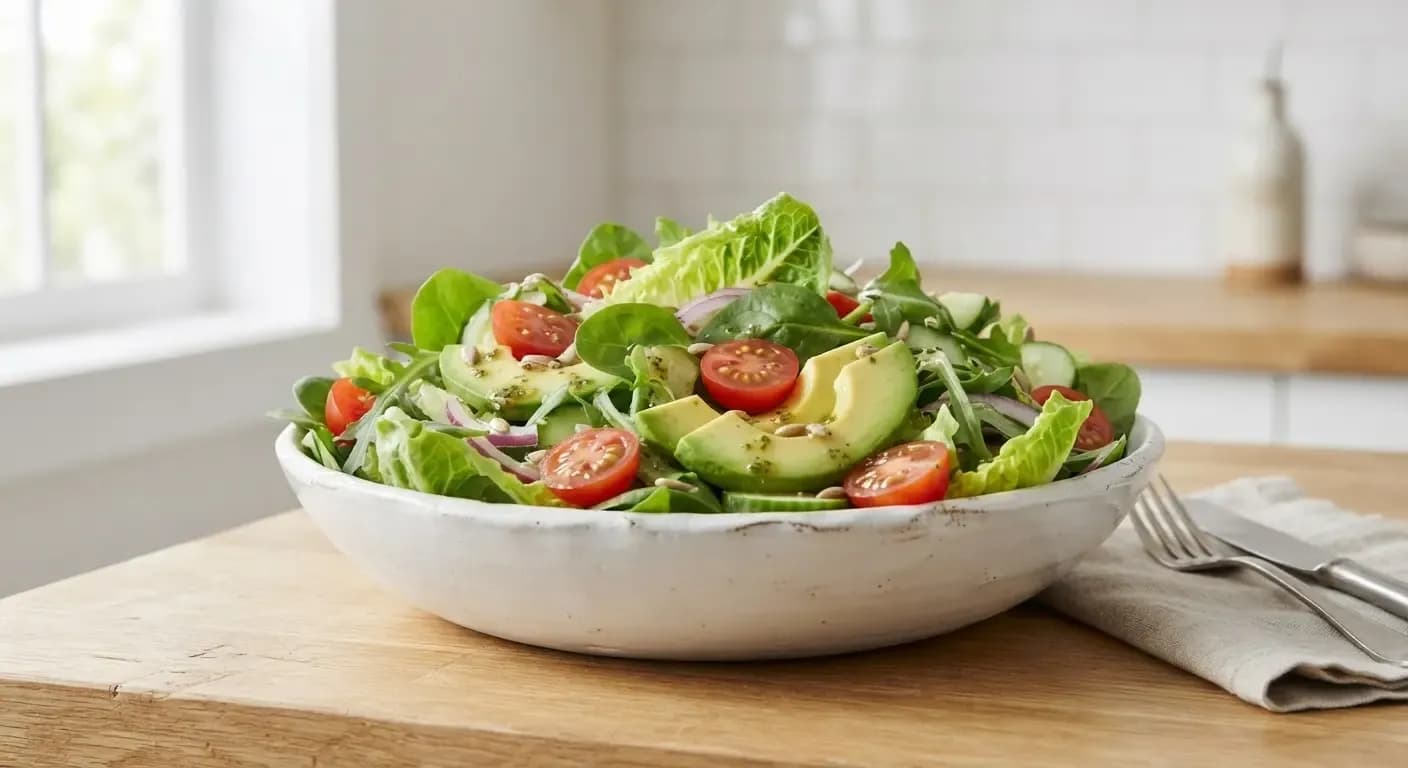
Are you tired of diets that promise the world but don't deliver lasting results? You're not alone. It's a frustrating cycle: restrict, lose a little, and then gain it all back. This guide is different. We're moving beyond quick fixes and exploring the simple, sustainable principles of healthy eating for weight loss. It's about building a nourishing lifestyle you actually enjoy, one that helps you lose weight and feel fantastic without the constant struggle.
"Forget the quick fixes. Sustainable weight loss isn't about what you restrict, but about what you build: a healthy, enjoyable relationship with food that lasts a lifetime."
Why Most Diets Fail (And How This Approach is Different)
Let's be honest, the world of dieting is confusing. One minute carbs are bad, the next they're fine. It feels like a constant battle, and it's easy to get overwhelmed and just give up. The main reason so many diets fail is that they're built on deprivation. They're temporary solutions that you can't wait to end. But what if weight loss wasn't about ending a diet, but about starting a new, better way of eating for good?
This approach is about empowerment, not rules. It's about understanding the basics of how your body works so you can make smart, flexible choices every day. Instead of feeling restricted, you'll feel in control. You'll build healthy, enjoyable habits that stick. And while you can do this all on your own, having a clear path can make all the difference, especially at the beginning.
If you're ready for a personalized path that cuts through the confusion, a structured meal plan can be a game-changer. You can explore a recommended option here: Personalized Meal Plan.
The Pillars of Healthy Weight Loss: Understanding the 'Why'
To make changes that last, you need to know *why* they work. It's not magic, it's just simple science. The most important concept is a 'calorie deficit'. Don't worry, this doesn't mean you have to count every single calorie obsessively. It just means using slightly more energy (calories) than you consume. By choosing the right foods, you can achieve this naturally without feeling hungry.
Think of your food as being made of three main building blocks, called macronutrients:
- Protein: This is your best friend for fighting hunger. It helps you feel full and satisfied after a meal, which means you're less likely to snack on unhealthy things later. Think chicken, fish, beans, and tofu.
- Carbohydrates: Carbs are your body's main source of energy. The key is to choose complex carbs like oats, sweet potatoes, and whole grains. They release energy slowly, keeping you fueled for hours.
- Fats: Healthy fats are essential for hormone production and overall health. They are not the enemy! Avocados, nuts, and olive oil are fantastic sources that also help with satiety.
Finally, food quality matters more than you think. 500 calories from a balanced meal of chicken, broccoli, and quinoa will keep you full, energized, and nourished with vitamins. 500 calories from cookies will likely leave you feeling hungry and tired an hour later. Choosing whole, unprocessed foods is a cornerstone of sustainable weight loss.
How to Build a Healthy Plate: Your Practical Toolkit
Okay, so we know the 'why'. Now for the 'how'. Building a healthy meal doesn't need to be complicated. The easiest way to start is with the 'Healthy Plate' method. It’s a simple, visual guide:
- Fill half your plate with non-starchy vegetables. Think broccoli, spinach, bell peppers, or a big salad. They are packed with nutrients and fiber but low in calories, so they fill you up without weighing you down.
- Fill one-quarter of your plate with lean protein. This could be grilled chicken, fish, lentils, or eggs. This will help you feel satisfied long after you've finished eating.
- Fill the last quarter with complex carbohydrates. A scoop of quinoa, a small sweet potato, or some brown rice will give you the steady energy you need.
What about portion sizes? You don't need a food scale. You can use your hand as a handy guide:
- Protein: A portion is about the size of your palm.
- Carbohydrates: A portion is about what fits in your cupped hand.
- Vegetables: Aim for a portion the size of your fist (or more!).
- Healthy Fats: A thumb-sized portion of things like oil, butter, or nuts is a good guideline.
Prioritize foods like leafy greens, lean meats, fish, eggs, beans, fruits, and whole grains. At the same time, try to limit sugary drinks, highly processed snacks, and refined grains like white bread, as they offer little nutritional value.
Putting It All Together: Meal Planning for Success
Knowing the principles is one thing, but putting them into action day after day is where the real magic happens. This is where meal planning becomes your secret weapon. When you have a plan, you eliminate decision fatigue. You no longer stand in front of the fridge wondering what to make, which is often when we reach for the quickest, least healthy option.
But let's be real, creating a balanced meal plan from scratch can be a job in itself. You have to find recipes, make sure they fit your nutritional goals, create a shopping list, and try to keep things interesting. It can be a lot of work.
This is exactly why tools that automate the process are so helpful. They take the guesswork out of healthy eating. A good personalized meal plan service does all the heavy lifting for you—providing delicious, easy-to-make recipes that are perfectly balanced to help you meet your goals. It turns your good intentions into a simple, actionable plan.
Simplify Your Journey: Get Your Personalized Meal Plan Now
Overcoming Common Hurdles on Your Journey
Your weight loss journey will have its ups and downs. That’s completely normal! The key is having strategies to handle common challenges so you can stay on track.
- Social Situations & Eating Out: Don't panic! You can absolutely enjoy a meal out. Look at the menu online beforehand to find a healthy option. Focus on grilled, steamed, or baked dishes instead of fried ones. And don't be afraid to ask for sauces or dressings on the side so you can control how much you use.
- Managing Cravings: First, ask yourself if you're truly hungry or just bored, stressed, or thirsty. Try drinking a big glass of water. If the craving persists, have a healthy snack ready to go, like a piece of fruit, a handful of nuts, or some Greek yogurt.
- Motivation Dips & Plateaus: Everyone hits a plateau. When the scale won't budge, focus on non-scale victories. Do your clothes fit better? Do you have more energy? Are you sleeping more soundly? These are all signs of progress! Also, try a small change in your routine, like a new type of workout or a different healthy recipe. Be patient with yourself—consistency is more important than perfection.
Frequently Asked Questions (FAQ)
Do I need to exercise to lose weight with healthy eating?
While your diet is the primary driver of weight loss, exercise is a powerful partner. It helps accelerate your results by burning more calories, builds muscle which boosts your metabolism, and provides huge benefits for your overall physical and mental health. Think of diet as the key to losing weight and exercise as the key to transforming your body and health.
Can I still eat my favorite foods?
Absolutely! A sustainable plan has to be flexible. Trying to completely ban your favorite foods often leads to binging later. A popular approach is the 80/20 rule: focus on eating nutritious, whole foods 80% of the time, and allow yourself to enjoy your favorite treats in moderation the other 20% of the time. This prevents feelings of deprivation and makes the journey more enjoyable.
Is a personalized diet plan really necessary?
It's not mandatory, but it can significantly increase your chances of success. Generic advice is a good starting point, but a personalized plan is tailored to your body, your goals, and your food preferences. It removes all the guesswork and provides the structure and support that are especially valuable for busy people or anyone who feels overwhelmed by starting.
Your Path to Sustainable Weight Loss Starts Now
The most important takeaway is this: lasting weight loss comes from nourishing your body, not punishing it. It's about building a foundation of healthy habits, understanding portion sizes, and choosing whole foods that make you feel good. You don't need extreme restrictions or fad diets. You already have the knowledge you need to start making small, powerful changes today.
You can do this. And if you want a guide to make the journey simpler, clearer, and more effective, a personalized plan is the best next step. It's time to stop guessing and start succeeding.