The Ultimate Guide to Healthy Eating: Actionable Tips That Stick
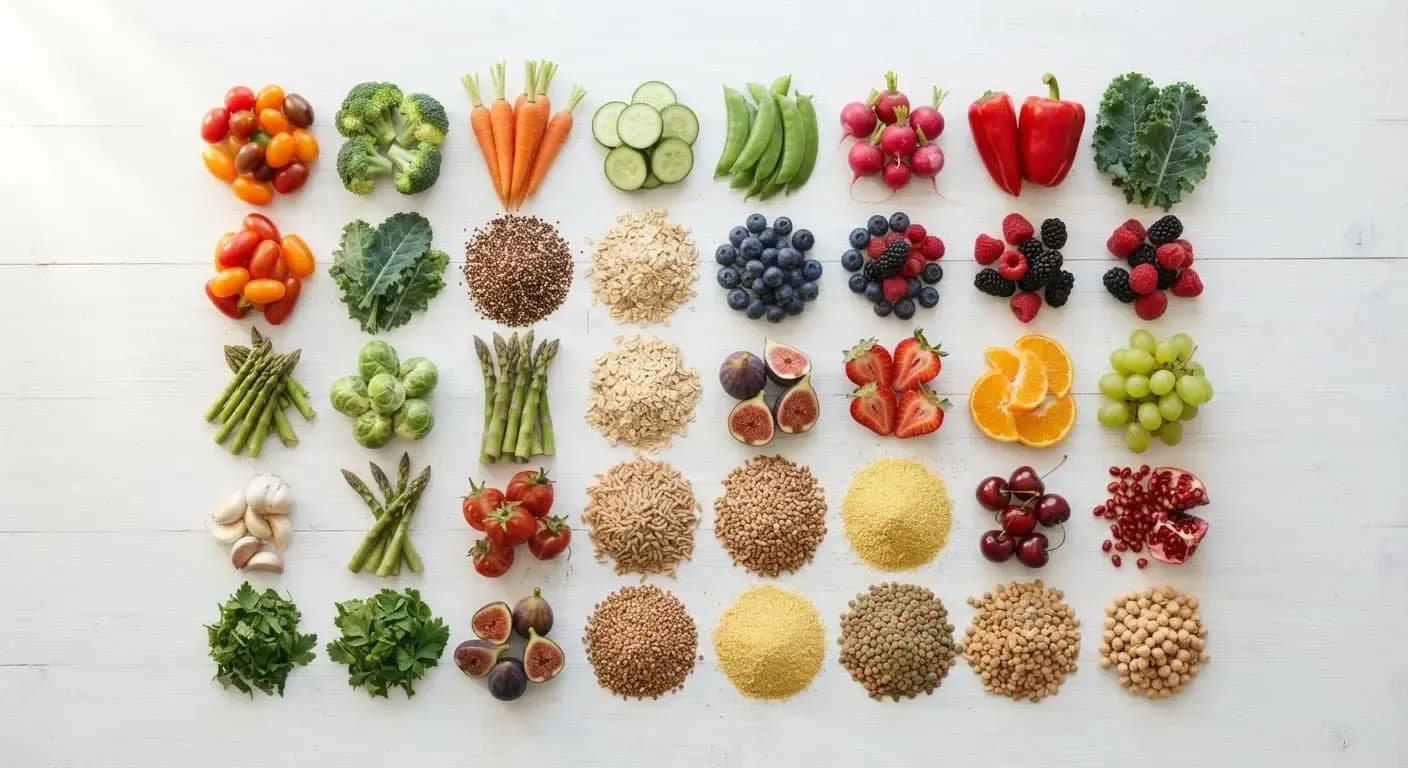
Tired of confusing diet rules and conflicting advice? You're not alone. Healthy eating shouldn't feel like a complex puzzle. If you're overwhelmed by all the information out there, from Keto to Paleo to whatever is trending this week, take a breath. This guide is different. We're cutting through the noise to give you simple, actionable tips that fit into your real, busy life.
"Healthy eating isn't about restriction; it's about adding more of what nourishes you, one simple step at a time."
Why 'Healthy Eating' Feels So Complicated (and How to Make It Simple)
Let's be honest, the world of wellness can be a lot. There's so much pressure to be perfect, and the constant flood of information about what you 'should' and 'shouldn't' eat is enough to make anyone want to give up. The truth is, there is no single 'perfect' diet for everyone.
The real secret to success is finding what works for you. It's about balance, not deprivation. It's about being consistent, not perfect. The most effective approach involves making small, sustainable changes that you can stick with for the long haul. Instead of overhauling your entire life overnight, focus on building one or two new healthy habits at a time. It’s these small steps that lead to big, lasting results. For those looking for a clear path tailored just for them, a personalized diet plan can be a game-changer.
The Foundations of Healthy Eating: Beyond the Buzzwords
Before you get lost in the details, it helps to understand the basics. Think of your body like a car: it needs the right kind of fuel to run well. The main fuel types are macronutrients and micronutrients.
Let's break them down:
- Protein: This is your body's building block. It helps repair tissue, build muscle, and keeps you feeling full. You can find it in meat, fish, eggs, beans, lentils, and tofu.
- Carbohydrates: These are your primary source of energy. Your brain and muscles love them. Choose complex carbs like whole grains, vegetables, and fruits for slow-release energy.
- Fats: Don't be afraid of fats! Healthy fats are essential for hormone production and absorbing certain vitamins. Think avocados, nuts, seeds, and olive oil.
Micronutrients are the vitamins and minerals that your body needs in smaller amounts but are just as important. The best way to get them is by eating a variety of colorful fruits and vegetables. A 'food first' approach is always best.
A great way to approach this without feeling overwhelmed is the 80/20 rule. Focus on eating nutritious, whole foods 80% of the time. The other 20%? That's for flexibility. Enjoy a piece of cake at a birthday party or a pizza night with friends without any guilt. This balance makes healthy eating sustainable and enjoyable for the long run.
10 Science-Backed Healthy Eating Tips for Real Life
Ready for some simple tips you can start using today? Here are ten practical ideas to help you build a healthier relationship with food.
1. Hydrate Smarter
Why it works: Your body is mostly water! Staying hydrated helps with energy levels, brain function, and digestion. Sometimes when you think you're hungry, you're actually just thirsty.
How to do it: Carry a reusable water bottle with you. Don't like plain water? Try infusing it with lemon, cucumber, or mint.
2. Eat More Fiber
Why it works: Fiber is amazing for your gut health. It feeds the good bacteria in your digestive system, which can impact everything from your mood to your immune system. It also helps you feel full and satisfied.
How to do it: Add a tablespoon of chia seeds or ground flaxseed to your morning yogurt or oatmeal. Swap white bread for whole-grain versions and add more beans and lentils to your meals.
3. Prioritize Protein
Why it works: Including a source of protein with every meal can help stabilize your blood sugar and keep cravings at bay. It's also crucial for maintaining muscle mass.
How to do it: Add eggs to your breakfast, a can of tuna to your salad at lunch, or a serving of chicken or beans to your dinner.
4. Don't Fear Healthy Fats
Why it works: Healthy fats support brain health and help reduce inflammation. They also make food taste great and help you feel full.
How to do it: Snack on a small handful of almonds, add half an avocado to your toast, or drizzle your salads with olive oil.
5. Practice Mindful Eating
Why it works: When you slow down and pay attention to your food, you're more likely to recognize your body's hunger and fullness cues. This can prevent overeating and improve digestion.
How to do it: Put away your phone and turn off the TV during meals. Chew your food slowly and savor the flavors and textures.
6. Read Your Labels
Why it works: Packaged foods can be sneaky sources of added sugar, sodium, and unhealthy fats. Learning to read labels empowers you to make better choices.
How to do it: When looking at an ingredient list, watch out for words ending in '-ose' (like sucrose or fructose). Aim for products with short, recognizable ingredient lists.
7. Cook More at Home
Why it works: When you cook your own meals, you have complete control over what goes into them. It's usually healthier and more budget-friendly than eating out.
How to do it: Start with one or two simple recipes a week. Even something as easy as roasting a pan of vegetables can be a great first step.
8. Fill Half Your Plate with Veggies
Why it works: This is a simple visual cue to ensure you're getting plenty of vitamins, minerals, and fiber. Vegetables are low in calories but high in nutrients.
How to do it: Before you add anything else to your plate, fill half of it with a colorful salad or steamed vegetables.
9. Consider Meal Prepping
Why it works: Having healthy meals ready to go saves you from making poor choices when you're hungry and short on time. It takes the guesswork out of the week.
How to do it: Spend an hour on Sunday prepping ingredients. Chop vegetables, cook a batch of quinoa, or grill some chicken to use in meals all week.
10. Listen to Your Body
Why it works: Your body has an internal wisdom. Learning to distinguish between physical hunger and emotional cravings is a key skill for a healthy lifestyle.
How to do it: Before you eat, ask yourself: 'Am I truly hungry, or am I bored, stressed, or sad?' If it's not physical hunger, try another activity first, like going for a short walk.
How to Create a Healthy Eating Plan That Actually Works for You
A good plan starts with knowing yourself. What are your goals? Are you trying to lose weight, have more energy, or build muscle? Also, be realistic about your lifestyle. How much time do you have to cook? What's your budget? Answering these questions will help you create a plan that you can actually follow.
You'll also run into roadblocks. Everyone does. Maybe it's emotional eating after a tough day, or maybe it's a weekend full of social events. A simple strategy is to have a plan B. If you know you eat when stressed, have a non-food coping mechanism ready, like calling a friend or listening to music. For social events, decide ahead of time what you'll enjoy and stick to it.
You can go it alone with apps and general advice, or you can get a professionally tailored plan. Here’s how they compare:
Feature — DIY Diet Plan — Personalized Professional Plan
Personalization — General advice based on basic inputs — Tailored to your specific body, goals, and lifestyle
Time-Saving — Requires a lot of research and planning — Everything is planned for you, from recipes to shopping lists
Accuracy — Can be hit-or-miss; easy to make mistakes — Based on proven nutritional science for better results
Support — Limited to online forums or app features — Often includes access to experts for questions and adjustments
A personalized plan takes the guesswork out and gives you a clear roadmap, which can lead to faster and more sustainable results.
Frequently Asked Questions (FAQ)
Is healthy eating expensive?
It doesn't have to be! Some of the most nutritious foods are also the most affordable. Think beans, lentils, eggs, oats, and frozen fruits and vegetables. Planning your meals and cooking at home can save you a lot of money compared to buying takeout.
Do I have to give up my favorite foods forever?
Absolutely not! That's where the 80/20 rule comes in. A healthy lifestyle is about balance, not perfection. Depriving yourself of everything you love is a surefire way to fail. Enjoy your treats mindfully and get back to your healthy routine afterward.
How long does it take to see results?
This varies for everyone. You might notice benefits like increased energy and better mood within a few days or a week. Other changes, like weight loss or improved skin, can take a bit longer. Be patient with yourself and focus on how you feel, not just the number on the scale.
Is organic food always better or necessary?
While organic farming has environmental benefits, the nutritional difference between organic and conventional produce is often minimal. The most important thing is to eat more fruits and vegetables, period. If your budget is tight, don't let the 'organic' label stop you from buying fresh produce.
Your Next Step to a Healthier, Happier You
Remember, this is a journey, not a race. A healthy lifestyle is built on small, consistent choices that add up over time. You now have the foundational knowledge to start making better choices for yourself, one meal at a time. You don't have to be perfect; you just have to start.
Ready to stop guessing and start thriving? If you want to eliminate the guesswork and get expert guidance, a personalized plan is the most effective next step. Get a diet plan 100% tailored to your body, lifestyle, and goals. Click here to get your personalized plan today!