The Ultimate Guide to Finding and Making Healthy Recipes
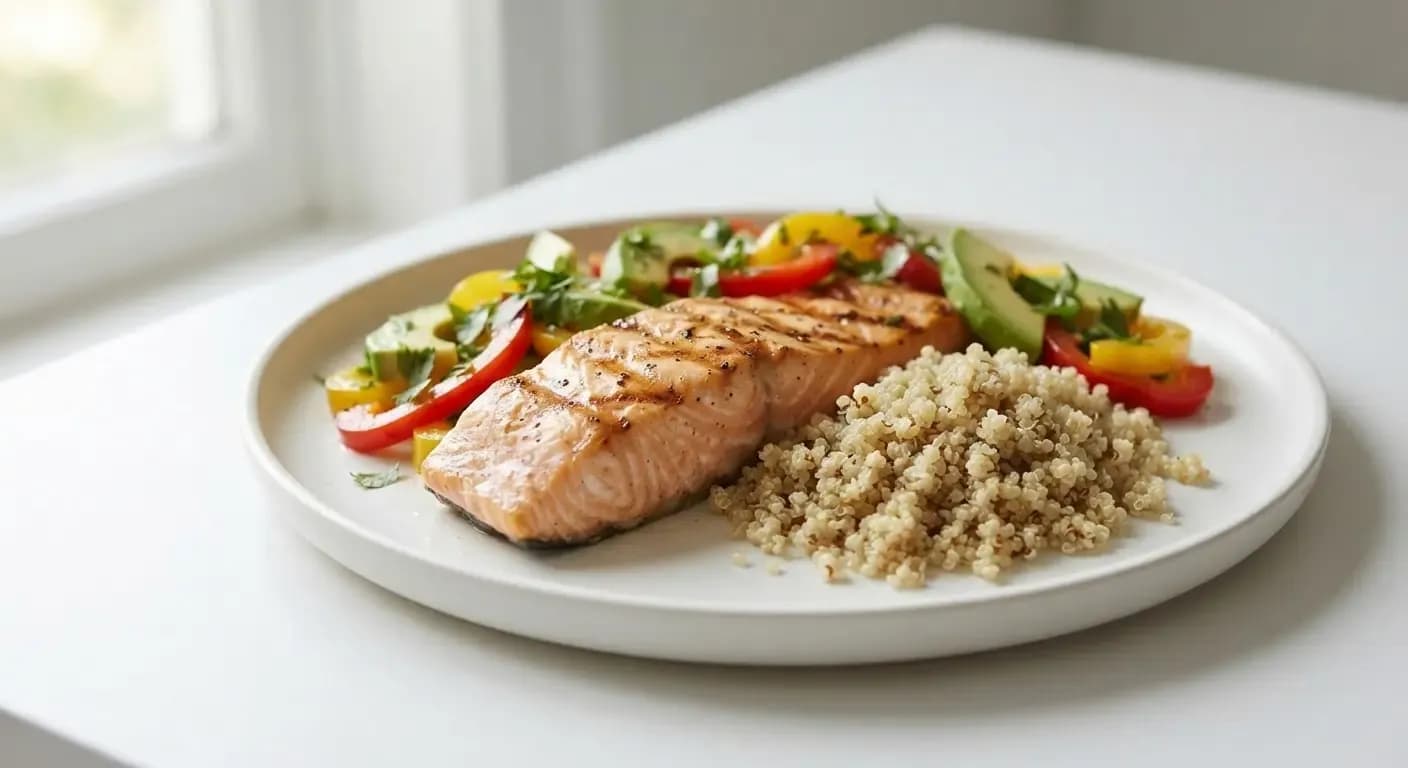
Are you tired of the endless search for healthy recipes that don't taste like cardboard? We've all been there, scrolling through countless pages, hoping to find something that is both good for us and genuinely delicious. This guide is your new roadmap. We're going to show you how to find, understand, and even create mouthwatering healthy recipes without the stress. It's time to make healthy eating an enjoyable part of your life.
"What if 'healthy' just meant 'delicious food made from real ingredients'? It can, and we'll show you how."
Why 'Healthy Recipes' Don't Have to Be Boring or Complicated
Let's be honest. For many of us, the phrase "healthy eating" brings to mind images of bland salads, steamed chicken, and complicated meals that take hours to prepare. It feels like a chore, a restriction, and something that's just not sustainable in our busy lives. You're not alone in feeling this way. The internet is flooded with recipes that claim to be healthy but are either misleading or just not very tasty.
The goal of this guide is simple: to give you a clear framework for understanding what truly makes a recipe healthy. We'll cut through the noise and show you that cooking healthy meals at home can be simple, affordable, and most importantly, incredibly delicious. Forget the boring and complicated; let's get back to enjoying food that makes you feel great.
The Building Blocks of a Truly Healthy Recipe
So, what makes a recipe healthy? It's less about following strict rules and more about understanding a few key principles. Once you grasp these building blocks, you'll be able to spot a good recipe from a mile away. It really comes down to three main pillars.
- Balanced Macronutrients: This sounds technical, but it's simple. A great meal includes a balance of lean protein (like chicken, fish, beans, or tofu), complex carbohydrates (like quinoa, brown rice, or sweet potatoes), and healthy fats (like avocado, nuts, and olive oil). This combination keeps you full, energized, and satisfied.
- Prioritizing Whole Foods: The best recipes are built on a foundation of whole, unprocessed ingredients. Think fresh vegetables, fruits, whole grains, and lean proteins in their most natural state. These foods are packed with the vitamins, minerals, and fiber your body needs.
- Smart Cooking Methods: How you cook your food is just as important as what you cook. Methods like baking, grilling, steaming, roasting, and stir-frying use less oil and preserve more nutrients than deep-frying or covering everything in heavy, creamy sauces.
Exploring Popular Healthy Eating Styles
The great thing about healthy eating is that there's no single "right" way to do it. Different styles work for different people. Here are a few popular approaches to show you just how versatile healthy and delicious food can be. This can help you find what makes you feel best.
- Mediterranean: Inspired by the eating habits of countries like Greece and Italy, this style is famous for supporting heart health. It focuses on olive oil, lots of vegetables and fruits, fish, and whole grains. A great example is a simple Lemon-Herb Baked Salmon with roasted vegetables.
- Low-Carb: This approach limits carbohydrates like bread, pasta, and sugar, and is often used to help manage blood sugar levels. Meals are built around protein, healthy fats, and non-starchy vegetables. Think of a juicy chicken breast with a large, colorful salad and a vinaigrette dressing.
- Plant-Based: This style emphasizes foods from plant sources. It can be fully vegan or just focus on reducing meat consumption. It's rich in fiber, vitamins, and antioxidants. A hearty Black Bean and Quinoa Bowl with salsa and avocado is a perfect example.
- High-Protein: Focusing on protein-rich foods helps with feeling full and supports muscle maintenance. This doesn't mean eating only meat; it includes eggs, dairy, beans, and lentils. A scramble with three eggs, spinach, and a side of Greek yogurt would fit right in.
How to Read a Recipe Like a Nutritionist (and Avoid Health Halos)
With so many recipes online, how do you know which ones to trust? Many recipes have a "health halo"—they sound healthy, but they're loaded with hidden sugars, unhealthy fats, and processed ingredients. Here's a simple checklist of green flags to look for and red flags to avoid.
Green Flags (The Good Stuff):
- Focuses on whole ingredients you can recognize.
- Specifies a healthy cooking method (baking, grilling, etc.).
- Includes a generous amount of vegetables.
- Suggests sensible, realistic portion sizes.
Red Flags (Watch Out For These):
- Relies on processed sauces, dressings, or 'cream of' soups.
- Contains a lot of hidden sugars (even natural ones like honey or maple syrup).
- Uses vague terms like "cooking oil" instead of specifying a healthy option like olive or avocado oil.
- Promotes "fat-free" products, which are often high in sugar and chemicals.
Feeling a little overwhelmed? It's completely normal. The stress of changing your diet and lifestyle is real. If you're finding it tough, it's important to be kind to yourself. Some people find that supplements which support a good mood can be helpful during these transitions. For example, NuviaLab Relax is formulated with natural ingredients that help you relax and maintain emotional balance, which can be useful when you're making big changes.
5 Simple Swaps to Make Any Recipe Healthier
The best way to start is by making small, simple changes. You don't have to throw out all your favorite recipes! Here are five easy swaps you can make to instantly boost the nutritional value of your meals.
Instead of This... — Try This Swap! — Why It's Healthier
White Rice or Pasta — Quinoa, Brown Rice, or Whole Wheat Pasta — Adds fiber and nutrients, keeping you full longer.
Sour Cream or Mayo — Plain Greek Yogurt — Boosts protein and cuts down on saturated fat.
Store-Bought Sauces — Homemade Vinaigrette (oil, vinegar, herbs) — Avoids hidden sugars, sodium, and preservatives.
Frying in Lots of Oil — Baking, Grilling, or Air Frying — Drastically reduces calories and unhealthy fats.
A Basic Recipe — Add More Veggies, Beans, or Lentils — Adds fiber, vitamins, and minerals without a lot of calories.
Frequently Asked Questions (FAQ)
Are healthy recipes expensive to make?
They don't have to be! You can manage costs by planning meals around seasonal produce, buying grains and beans in bulk, and choosing affordable protein sources like eggs and lentils. Cooking at home is almost always cheaper than eating out.
Do healthy meals take a long time to cook?
Not at all! There are tons of delicious, healthy recipes that take 30 minutes or less. Look for one-pan meals, sheet-pan dinners, and simple salads. Also, batch cooking on the weekend—making a big pot of quinoa or roasting a bunch of vegetables—can save you a lot of time during the week.
How can I get my family to eat healthy food?
This can be tricky, but a great strategy is to not make a big announcement. Start by making healthier versions of family favorites, like using whole wheat pasta in spaghetti or adding extra veggies to tacos. Getting them involved in the cooking process can also help picky eaters become more open to trying new things.
Your Next Step to Effortless, Delicious Healthy Eating
As you can see, healthy eating isn't about deprivation or complicated rules. It's about learning simple principles and making smart choices that lead to delicious meals. You now have the knowledge to look at any recipe and know whether it will truly nourish your body. The journey starts with understanding the 'why' and 'how'—not just collecting random recipes online.
Ready to put this all into practice without the guesswork? If you want instant access to hundreds of nutritionist-approved recipes that are balanced, easy, and delicious, you can make your healthy cooking journey simple. Explore these curated meal plans and start cooking with confidence today.