Heart-Healthy Eating: Your Complete Beginner's Guide
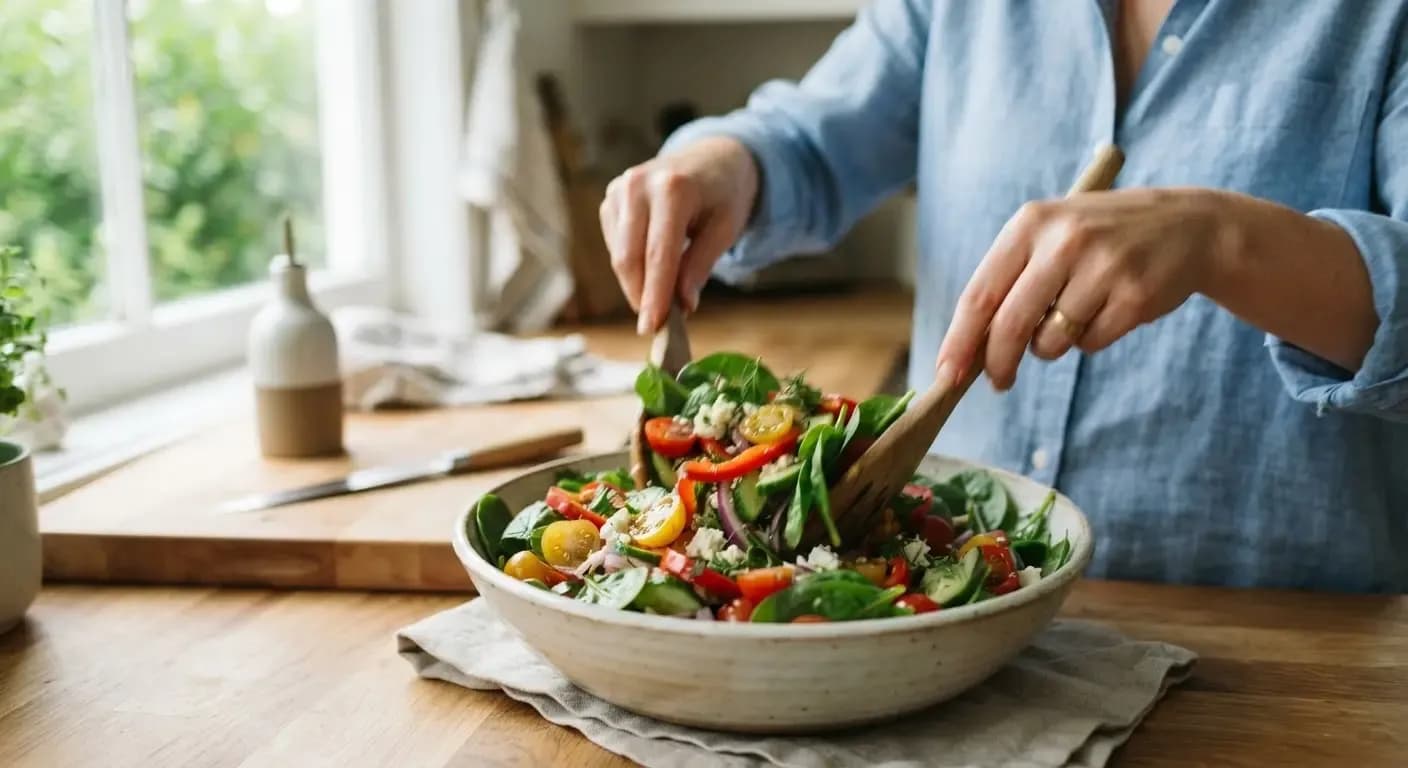
Have you been told to eat for your heart, but all the advice feels overwhelming and confusing? You are definitely not alone. It's easy to get lost in a sea of dos and don'ts, leaving you feeling like a healthy diet is restrictive and, well, no fun at all.
"This guide simplifies everything, moving you from confusion to confidence. Discover the core principles and simple food swaps that make a real difference for your heart's health, without sacrificing flavor."
Introduction: Taking the First Step Towards a Healthier Heart
Let's be honest, hearing that you need to change your diet for your heart can feel like a huge, stressful task. It's not just about food; it's about changing habits you've had for years. But what if it didn't have to be a complex set of rules? What if it was more of a flexible, enjoyable pattern of eating that nourishes your body and tastes great?
This guide is designed to give you a clear, sustainable path forward. We're not going to talk about temporary diets. Instead, we'll focus on building a lifestyle around delicious, whole foods that support your heart for the long run. The key is finding what works for you. If you're looking for a guided start, a personalized diet plan can take all the guesswork out of healthy eating and make the transition feel seamless.
What Is a Heart-Healthy Diet, Really?
So, what does "heart-healthy eating" actually mean? In simple terms, it's a style of eating designed to lower your risk factors for heart disease. The main goals are to manage things like high blood pressure, high cholesterol, and inflammation, which can all put stress on your heart over time.
It works by connecting your food choices to specific health outcomes. For example:
- Fiber: Eating more soluble fiber from foods like oats and beans helps reduce your LDL cholesterol, often called the "bad" cholesterol.
- Potassium: Foods rich in potassium, like bananas and leafy greens, help your body balance out sodium, which can lower your blood pressure.
- Antioxidants: Colorful fruits and vegetables are packed with antioxidants that help fight inflammation throughout your body, including in your blood vessels.
This approach isn't just a random idea; it's based on trusted, well-researched eating patterns. Two of the most famous are the DASH (Dietary Approaches to Stop Hypertension) diet and the Mediterranean diet. Both are proven to be fantastic for preventing heart disease, and they form the foundation of what we know about eating for a healthy heart.
The 7 Core Principles of Heart-Healthy Eating
Instead of a long list of rules, let's focus on seven core principles. Thinking about what to *add* to your plate is often easier than thinking about what to take away.
1. Fill Up on Fruits and Vegetables
These are nutritional powerhouses filled with vitamins, minerals, and fiber.
- Foods to Enjoy: Berries, leafy greens (spinach, kale), broccoli, carrots, oranges, apples. Aim for a variety of colors!
- Foods to Limit: Vegetables fried or covered in creamy sauces.
2. Choose Whole Grains
Whole grains are packed with fiber, which is great for lowering cholesterol and keeping you full.
- Foods to Enjoy: Oatmeal, quinoa, brown rice, whole-wheat bread, and whole-grain pasta.
- Foods to Limit: White bread, sugary cereals, pastries, and other refined flour products.
3. Go for Lean Protein
Protein is essential, but the source matters. Choose options that are low in saturated fat.
- Foods to Enjoy: Skinless poultry, fish (especially fatty fish like salmon), beans, lentils, and nuts.
- Foods to Limit: Processed meats (bacon, sausage), fatty cuts of red meat, and fried chicken.
4. Embrace Healthy Fats
Not all fat is bad! Unsaturated fats can actually help improve your cholesterol levels and protect your heart.
- Foods to Enjoy: Avocados, olive oil, nuts (walnuts, almonds), and seeds (chia, flax).
- Foods to Limit: Saturated fats (found in red meat, butter) and trans fats (often in packaged baked goods and fried foods).
5. Watch Your Sodium
Too much sodium is a major driver of high blood pressure. Most of it comes from processed foods, not the salt shaker.
- How to Reduce: Cook more at home, use herbs and spices for flavor, and read labels on canned soups, sauces, and frozen meals.
- Foods to Limit: Canned soups, frozen dinners, cured meats, and many fast foods.
6. Cut Back on Added Sugar
Added sugars provide empty calories and can contribute to weight gain and other risk factors. They hide in many unexpected places.
- Foods to Enjoy: Fruit for a sweet treat.
- Foods to Limit: Soda, sweetened teas, candy, and many breakfast cereals and yogurts. Read labels for words like 'sucrose', 'high-fructose corn syrup', and 'cane sugar'.
7. Master Your Portions
Even healthy food can lead to weight gain if you eat too much of it. Being mindful of portion sizes is a simple but powerful tool.
- Simple Tip: Try using a smaller plate. It can trick your brain into feeling satisfied with less food.
Making It Simple: Your Toolkit for Success
Knowing what to do is one thing, but actually doing it is another. Let's talk about how to make this happen in real life. Strategies like meal prepping on a Sunday can set you up for a week of healthy lunches. Learning to read nutrition labels is another game-changer—focus on checking for sodium, saturated fat, and added sugar content. Also, simple cooking swaps like baking or grilling instead of frying can make a huge difference.
But maybe you're thinking, "This is still too much to track and plan!" That's a completely normal feeling. Life is busy, and planning every meal from scratch can be exhausting. This is where getting some help can make all the difference.
For those who want expert guidance and zero guesswork, a personalized diet plan is the most effective tool. It provides you with delicious recipes, complete shopping lists, and adapts to your personal tastes, making it so much easier to stick with your new healthy habits. It’s an investment in your health and your time.
Get Your Personalized Heart-Healthy Plan Today
Frequently Asked Questions (FAQ)
What is the difference between a Cardiac Diet and the DASH diet?
A "cardiac diet" is a general term for any heart-healthy eating plan. The DASH diet is a specific, scientifically studied type of cardiac diet that focuses on reducing sodium and eating nutrient-rich foods to lower blood pressure.
Can I still enjoy my favorite foods and eat out at restaurants?
Absolutely! A heart-healthy lifestyle is about balance, not deprivation. You can still enjoy your favorite treats in moderation. When eating out, look for grilled or baked options, ask for sauces on the side, and don't be afraid to request simple modifications.
Is red wine actually good for my heart? What about alcohol in general?
Some studies have suggested benefits from moderate red wine consumption, but the topic is complex. The key word is moderation. It's best to speak with your doctor about what is safe and appropriate for you, as alcohol can affect people differently, especially those with certain health conditions.
How quickly can I expect to see results in my cholesterol or blood pressure?
This varies for everyone, but with consistent changes to your diet, some people see improvements in their blood pressure and cholesterol numbers in as little as a few weeks to a few months. The most important thing is consistency.
Are salt substitutes a safe option for reducing sodium?
For many people, yes. Most salt substitutes replace sodium with potassium. However, for individuals with kidney problems or those taking certain medications, this can be dangerous. Always check with your doctor before using a salt substitute.
Conclusion: Your Journey to a Healthier Heart Starts Now
Starting a heart-healthy eating plan is one of the most powerful steps you can take for your long-term well-being. Remember, this isn't about punishment or a restrictive diet. It's an achievable and enjoyable lifestyle focused on abundance, smart swaps, and nourishing your body with delicious, whole foods. You have the power to take control of your health, one meal at a time.
Ready to stop guessing and start living with a heart-healthy plan made just for you? Tools are available to help guide you every step of the way. Take the first step today and see how easy it can be.