High-Fiber Foods: A Complete Guide for a Healthier Diet
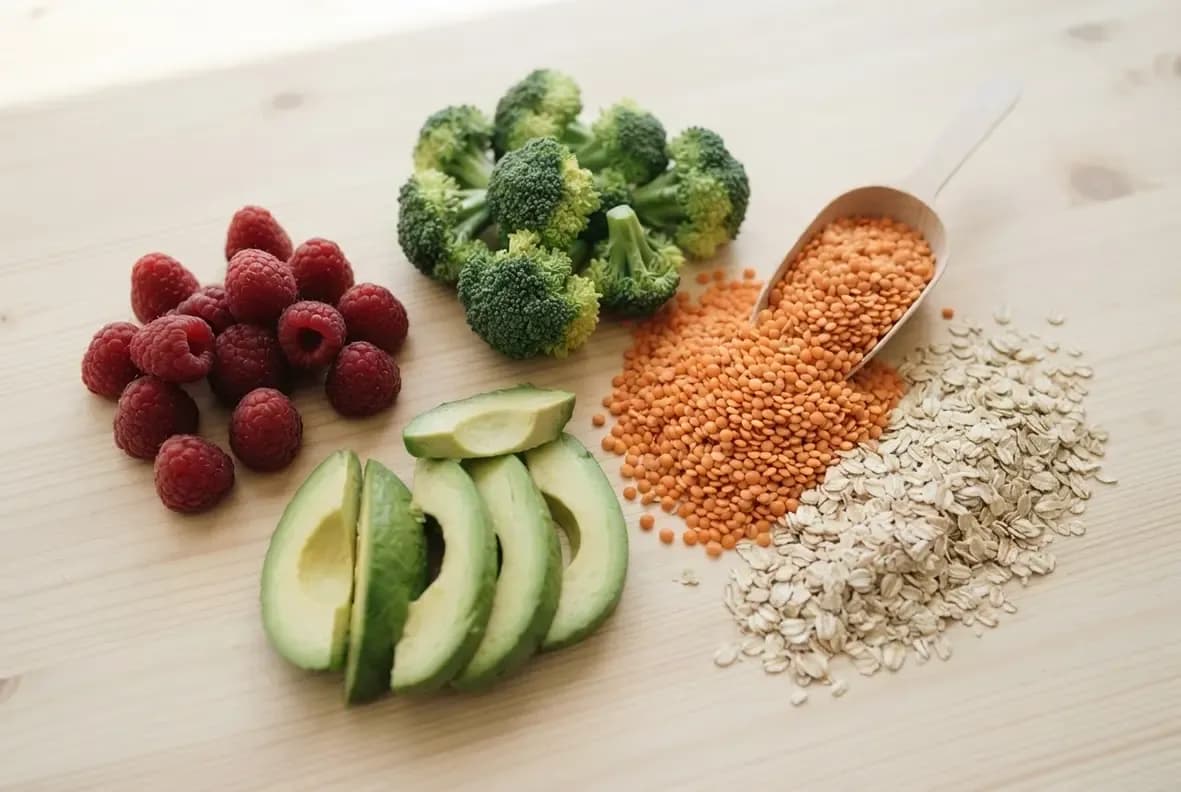
Feeling a bit sluggish, maybe struggling with digestive issues, or trying to manage your weight? It's a common story. But what if the secret to feeling better isn't some complicated diet plan, but something much simpler hiding right on your plate? That's right, we're talking about fiber.
"The secret to better health might be simpler than you think... and it's hiding in plain sight on your plate. It's time to unlock the power of dietary fiber."
What Is Dietary Fiber and Why Is It Crucial for Your Health?
So, what exactly is fiber? Think of it as the tough, structural part of plants that your body can't digest. While that might sound unimportant, it's actually a health superstar. As it passes through your system, it does a ton of good work. Forget just thinking about regularity; the benefits are huge.
Eating enough fiber can help with:
- Heart Health: It can play a role in lowering bad cholesterol levels.
- Blood Sugar Control: Fiber helps slow down sugar absorption, preventing those sharp spikes and crashes.
- Gut Health: It's the preferred food for the good bacteria in your gut, helping them thrive.
- Weight Management: High-fiber foods make you feel fuller for longer, which can help you eat less without feeling deprived.
To get these benefits, most experts recommend aiming for about 25 grams of fiber per day for women and 38 grams for men. It sounds like a lot, but you can get there with a few simple food choices.
Soluble vs. Insoluble Fiber: A Practical Guide to the Two Types
When you hear people talk about fiber, you might hear the words "soluble" and "insoluble." They sound technical, but the difference is pretty simple. Most foods actually have a mix of both, and you definitely need both in your diet.
Soluble fiber dissolves in water to create a gel-like substance in your digestive tract. This is the type that's famous for helping to lower cholesterol and stabilize blood sugar. You'll find it in foods like oats, beans, apples, and carrots.
Insoluble fiber, on the other hand, does not dissolve in water. It acts like a scrub brush for your intestines, adding bulk to stool and helping things move along smoothly. This is key for preventing constipation. Good sources include whole grains, nuts, and veggies like cauliflower and green beans.
Feature — Soluble Fiber — Insoluble Fiber
How it Works — Dissolves in water to form a gel — Does not dissolve; adds bulk
Main Benefits — Lowers cholesterol and blood sugar — Promotes regularity and prevents constipation
Best Food Sources — Oats, beans, apples, citrus fruits, carrots — Whole wheat, nuts, cauliflower, green beans, potatoes
The Ultimate List of High-Fiber Foods (by Category)
Ready to get more fiber in your life? This list is your new best friend for grocery shopping. We've broken it down by food group to make it super easy.
Fruits
Fruits are a sweet way to boost your fiber. Remember to eat the skin when you can, as it's often packed with fiber!
- Raspberries: A true fiber powerhouse. A single cup can pack around 8 grams.
- Pears: A medium-sized pear with the skin on is a great source.
- Apples: Another fruit where the skin makes a big difference.
- Avocados: Yes, it's a fruit! And it's loaded with healthy fats and fiber.
Vegetables
Veggies are your foundation for a healthy diet, and many are fantastic fiber sources.
- Broccoli: This cruciferous champ is full of nutrients and fiber.
- Artichokes: One of the highest-fiber vegetables out there.
- Brussels Sprouts: Don't sleep on these little cabbages; they're packed with goodness.
Legumes
Beans, lentils, and chickpeas are some of the most affordable and fiber-rich foods you can eat.
- Lentils: A cup of cooked lentils provides a massive fiber boost.
- Chickpeas: Perfect for hummus or roasting for a crunchy snack.
- Black Beans: A versatile and delicious addition to soups, salads, and tacos.
Grains
Choose whole grains over refined ones to get the full fiber benefit.
- Oats: A warm bowl of oatmeal is a classic high-fiber breakfast.
- Quinoa: This seed-like grain is a complete protein and a good source of fiber.
- Popcorn: That's right! Air-popped popcorn is a whole grain and a healthy, high-fiber snack.
Nuts & Seeds
A small handful of nuts or a sprinkle of seeds can add a satisfying crunch and a surprising amount of fiber to your day.
- Chia Seeds: These tiny seeds are fiber legends. They swell up in liquid, helping you feel full.
- Almonds: A perfect on-the-go snack that delivers fiber, protein, and healthy fats.
How to Effortlessly Add More Fiber to Your Diet: Practical Tips & Meal Ideas
Boosting your fiber intake doesn't require a complete diet overhaul. Small, simple swaps can make a huge difference. Here are some ideas for every meal of the day.
- Breakfast: Start your day strong. Swap juice for a whole piece of fruit. Add a tablespoon of chia seeds or flaxseeds to your oatmeal or yogurt. Choose a whole-grain cereal.
- Lunch: Bulk up your midday meal. Add a half-cup of beans or lentils to your salad or soup. Choose whole-wheat bread for your sandwich.
- Dinner: Make simple upgrades. Swap white rice for brown rice or quinoa. Try whole-wheat pasta instead of regular pasta. Make it a goal to fill half your plate with vegetables.
- Snacks: Snack smarter. Instead of chips, grab a handful of almonds, an apple, or some veggie sticks with hummus. Air-popped popcorn is another great choice.
A crucial pro-tip: Start slow and drink plenty of water! Your body needs time to adjust to a higher fiber intake. Increasing it too quickly can lead to gas and bloating. Water is also essential because it helps the fiber do its job properly.
Frequently Asked Questions (FAQ)
Can you eat too much fiber?
Yes, it is possible. While most people don't get enough, eating an extremely high amount of fiber, especially if you increase your intake very quickly, can cause bloating, gas, and cramping. Stick to a gradual increase and drink lots of water.
Does cooking vegetables reduce their fiber content?
Generally, no. The fiber content of vegetables and fruits remains mostly unchanged by cooking. The structure might soften, but the fiber is still there to provide its benefits.
Do fiber supplements work as well as whole foods?
Supplements can be a helpful tool if you struggle to get enough fiber from your diet. However, whole foods are always the better choice. They provide a mix of both soluble and insoluble fiber, plus a wide range of vitamins, minerals, and other nutrients that supplements can't replicate.
Will a high-fiber diet help me lose weight?
It can certainly help. High-fiber foods tend to be more filling, so you're likely to eat fewer calories overall without feeling hungry. Fiber also helps regulate blood sugar, which can reduce cravings for sugary snacks.
Key Takeaways for Building Your Fiber-Rich Diet
Building a high-fiber diet is a journey, not a destination. It's about making small, consistent changes that add up over time. Focus on adding more whole, plant-based foods to your plate one meal at a time. By prioritizing fruits, vegetables, legumes, and whole grains, you're not just adding fiber—you're investing in your long-term health.