The Ultimate Guide to Iron-Rich Foods for Energy & Health
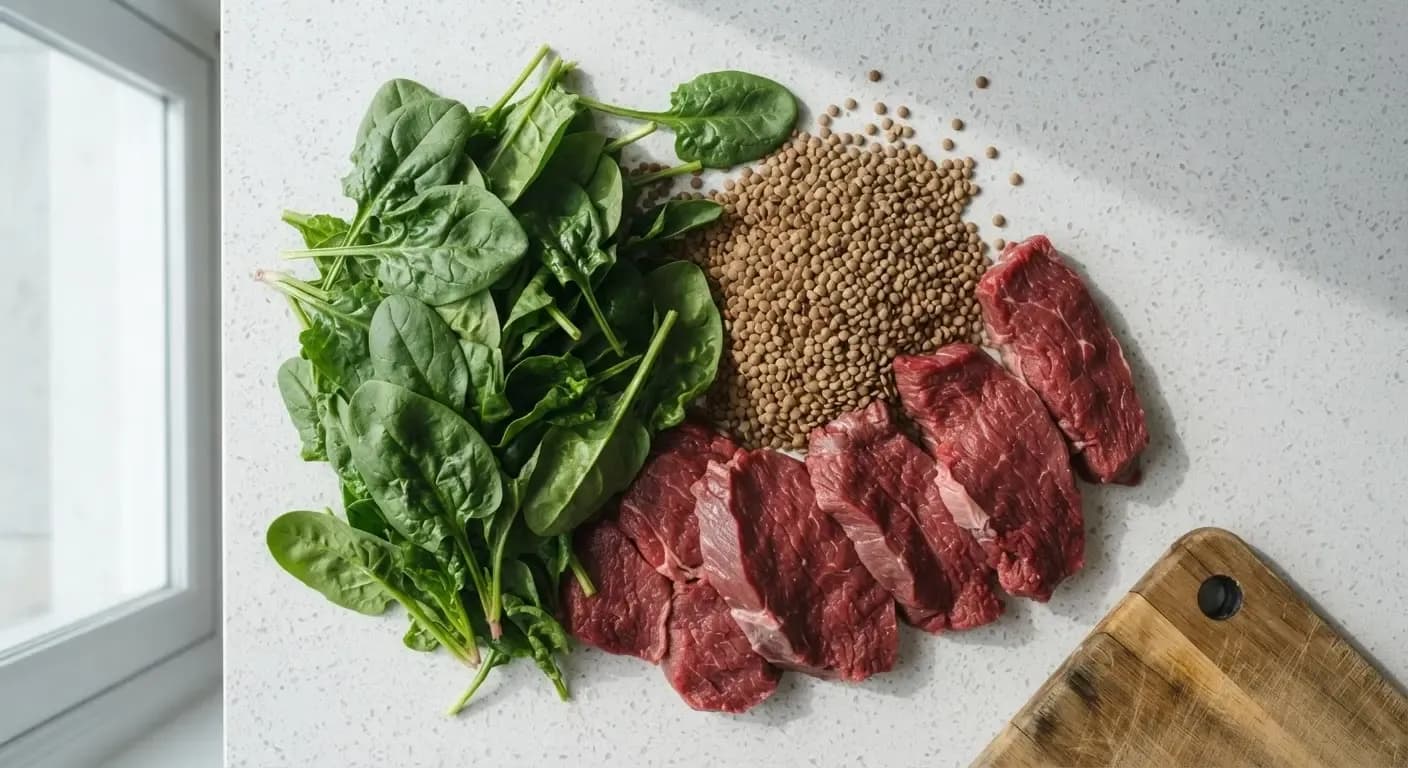
Do you ever feel like you're running on empty, no matter how much you sleep? That persistent fatigue, the brain fog you just can't shake... it's a common complaint. The culprit might not be your busy schedule, but a simple gap in your diet: a lack of iron.
"Think of iron as the spark plug for your body. Without it, the engine just can't turn over, leaving you feeling drained and sluggish."
Introduction: Why Iron is Your Body's Unsung Hero
It’s easy to overlook iron, but this mighty mineral is crucial for your vitality. Its main job is to help create hemoglobin, a protein in your red blood cells that carries oxygen from your lungs to every single part of your body. When you don't have enough iron, your body can't make enough healthy oxygen-carrying cells. The result? You feel tired, weak, and out of breath. This guide will walk you through the best iron-rich foods to help you reclaim your energy and feel your best.
While a food-first approach is always a great start, sometimes our diet and lifestyle mean we need a little extra help. For those who need to bridge a nutritional gap, a high-quality supplement can be a reliable way to get back on track.
Understanding Iron Deficiency: Are You at Risk?
Iron deficiency is one of the most common nutritional issues worldwide. According to the World Health Organization, it affects a huge number of people, especially women and children. When your body's iron stores get too low, it can lead to iron deficiency anemia. This means your blood doesn't have enough healthy red blood cells to transport oxygen efficiently, impacting everything from your energy levels to your brain function.
Some of the most common signs and symptoms of low iron include:
- Constant fatigue: A deep, persistent tiredness that rest doesn't seem to fix.
- Pale skin: Especially noticeable on the inside of the lower eyelids.
- Shortness of breath: Feeling winded from simple activities like climbing stairs.
- Headaches and dizziness: Caused by a lack of oxygen reaching the brain.
- Cold hands and feet: Poor circulation can be a clear sign.
- Brittle nails or hair loss: Lesser-known but common symptoms.
Certain groups are more likely to experience low iron levels. This includes menstruating women (due to monthly blood loss), pregnant women (who need extra iron for the baby), vegetarians and vegans, frequent blood donors, and athletes.
Heme vs. Non-Heme Iron: A Crucial Distinction for Your Diet
Not all iron is created equal! When we talk about iron from food, it comes in two forms: heme and non-heme. Understanding the difference is key to building an effective iron-rich diet.
- Heme Iron: This type is found only in animal products like meat, poultry, and fish. Your body finds it very easy to absorb. In fact, studies show that about 15-35% of the heme iron you eat gets absorbed.
- Non-Heme Iron: This type is found in plant-based foods like beans, lentils, spinach, and fortified cereals. It's still a fantastic source of iron, but it's less bioavailable. Your body only absorbs about 2-20% of non-heme iron.
So, what's the takeaway? If you eat animal products, you're likely getting a good dose of highly absorbable heme iron. If you follow a vegetarian or vegan diet, you just need to be more strategic about eating enough non-heme iron sources and helping your body absorb them effectively (more on that in a bit!).
Iron Type — Found In — Absorption Rate
Heme Iron — Animal products (meat, fish, poultry) — High (15-35%)
Non-Heme Iron — Plant-based foods & fortified foods — Lower (2-20%)
The Top Iron-Rich Foods to Add to Your Plate
Ready to boost your intake? Here are some of the best foods high in iron, broken down by category to make your meal planning a breeze.
Heme Iron Powerhouses
- Oysters: These shellfish are one of the richest sources, with about 8 mg of iron per 100g serving.
- Beef Liver: An incredibly nutrient-dense food, beef liver contains around 6.5 mg of iron per 100g.
- Red Meat: A classic source. Lean beef and lamb are excellent choices.
- Dark Meat Poultry: Chicken thighs and legs have more iron than chicken breast.
- Canned Sardines: An easy and affordable way to get both iron and omega-3s.
Non-Heme Plant-Based Stars
- Lentils: A true superstar. One cooked cup provides a significant amount of your daily needs. A 100g serving of cooked lentils has about 3.3 mg of iron.
- Spinach (cooked): Cooking spinach makes the iron more available. You'll get about 3.6 mg per 100g.
- Tofu: Firm tofu is a great plant-based iron source, with roughly 5.4 mg per 100g.
- Beans: Chickpeas, kidney beans, and black beans are all fantastic sources.
- Pumpkin Seeds: A perfect snack that's loaded with iron and other minerals.
- Quinoa: This popular grain is a good source of both iron and protein.
Iron-Fortified Foods & Fruits
- Fortified Cereals: Many breakfast cereals are fortified with 100% of your daily iron needs. Just check the label!
- Dried Apricots: A sweet and easy way to get a little iron boost.
- Raisins: Another dried fruit that contains a helpful amount of iron.
How to Maximize Iron Absorption (And What to Avoid)
Eating iron-rich foods is just one part of the equation. You also need to help your body actually absorb that iron. Luckily, it's pretty simple.
Iron Boosters
The number one hero for iron absorption is Vitamin C. It can increase the absorption of non-heme iron by a huge amount—some studies say by up to 67%! Try these simple pairings:
- Squeeze lemon juice over a spinach salad.
- Add bell peppers (which are packed with Vitamin C) to a bean chili.
- Have a small glass of orange juice with your fortified cereal.
Iron Blockers
On the flip side, some compounds can prevent your body from absorbing iron effectively. The main ones to watch out for are:
- Tannins: Found in tea and coffee.
- Calcium: Found in dairy products like milk and cheese.
- Phytates: Found in whole grains, nuts, and legumes.
You don't have to avoid these foods completely! Just try to consume them separately from your main iron-rich meal. For example, wait an hour or two after an iron-heavy lunch before having your afternoon coffee or tea. For things like beans and grains, soaking or sprouting them before cooking can help reduce their phytate content, which is a neat little trick.
When Diet Isn't Enough: Considering an Iron Supplement
Even with the most carefully planned diet, some people still struggle to get their iron levels up. If you're in a high-risk group or have been diagnosed with a deficiency by your doctor, a supplement can be the most effective way to restore your levels and start feeling better, faster.
But not all supplements are the same. Many common iron pills (like ferrous sulfate) are known for causing unpleasant side effects like constipation and stomach upset. When looking for the best iron supplement, prioritize one that is:
- Gentle on the Stomach: Look for forms like iron bisglycinate, which is known for being well-tolerated.
- Highly Bioavailable: This means your body can absorb and use it efficiently.
- Properly Dosed: Always follow the recommended dosage or your doctor's advice.
Finding a gentle yet effective supplement is key. For those who need reliable support, we've researched many options and recommend a high-absorption formula designed to minimize side effects.
Check Price and User Reviews Here
Frequently Asked Questions (FAQ)
How much iron do I need per day?
It varies! According to the National Institutes of Health, the Recommended Dietary Allowance (RDA) for most adults is: 8 mg for men, 18 mg for women (ages 19-50), and 27 mg for pregnant women. After menopause, a woman's need drops to 8 mg per day.
Can you get too much iron from food?
It's very rare to get too much iron from food alone. Your body has a system to regulate absorption. However, it is possible to get too much iron from supplements, which can be toxic. The Tolerable Upper Intake Level (UL) for adults is 45 mg per day, so always stick to the recommended dose unless advised by a doctor.
What are the best iron-rich snacks?
Some great on-the-go options include a small handful of pumpkin seeds, a few dried apricots, a hard-boiled egg, or even a small square of dark chocolate (70% cocoa or higher).
How long does it take to feel better after increasing iron intake?
It can take some time. While some people notice an improvement in energy within a few weeks, it can take several months to fully replenish your body's iron stores and resolve anemia. Consistency is key!
Final Thoughts: Take Charge of Your Energy Levels
Feeling energetic and healthy starts on your plate. By focusing on a diverse diet full of iron-rich foods, you give your body the fuel it needs to thrive. Remember to pair your plant-based iron sources with a little Vitamin C to boost absorption and be mindful of iron blockers around mealtime. Most importantly, listen to your body. If you're experiencing symptoms of low iron, the best first step is to talk to your doctor and get a simple blood test.
Start building your iron-rich diet today. And if you've identified that you need extra support, don't guess. Choose a trusted, gentle supplement to get you back on track to feeling your best.
Click Here to Learn More About Our Top Recommended Iron Supplement