Low Glycemic Foods: The Complete Guide to Stable Energy
Ever feel like you're riding an energy rollercoaster? You have a big lunch and feel great for an hour, but then the dreaded afternoon slump hits. You're foggy, tired, and reaching for another coffee or a sugary snack. It's a frustrating cycle. What if I told you the key to steady, all-day energy isn't some complicated diet, but simply understanding how different foods affect your body?
"Tired of the afternoon energy slump and confusing diet advice? Understanding how foods affect your blood sugar is the single most powerful change you can make for stable energy and long-term health."
Why a Low Glycemic Diet is Your Key to Better Health
Many of us deal with energy spikes and crashes, brain fog, and trouble managing our weight. A lot of the time, this is linked to unstable blood sugar caused by the types of foods we eat. Eating a low-glycemic diet is a way to fix this. It's not a restrictive fad; it's a science-backed lifestyle that helps you manage your energy, weight, and overall wellness by choosing smarter carbs.
This article may contain affiliate links. If you purchase a product through one of them, I will receive a commission (at no additional cost to you).
Getting started can feel like a lot, but a structured plan makes it easy. For those who want a guided start, a comprehensive healthy eating plan can make all the difference. You can see the details here.
What Are the Glycemic Index (GI) and Glycemic Load (GL)?
Okay, let's break down the two most important terms you need to know: the Glycemic Index (GI) and Glycemic Load (GL). They sound technical, but the idea is actually simple.
The Glycemic Index (GI) is a scale from 0 to 100 that ranks foods based on how quickly they raise your blood sugar after you eat them. Think of it like a speed rating for carbs.
- Low GI (55 or less): These foods are digested slowly, giving you a gradual, steady release of energy. Think lentils, beans, and most vegetables.
- Medium GI (56-69): These are in the middle. Examples include some whole-wheat breads and certain fruits.
- High GI (70 or more): These foods digest quickly, causing a rapid spike in blood sugar. White bread, sugary cereals, and white potatoes are common examples.
But the GI doesn't tell the whole story. That's where Glycemic Load (GL) comes in. GL is a more practical, real-world measure because it considers both the GI and the actual serving size you eat. Here’s a simple way to think about it: GI is like the *speed* of a car, while GL is the *total distance it travels*. A car might be fast (high GI), but if you only drive it for one minute (small portion), it doesn't go very far (low GL). A perfect example is watermelon. It has a high GI, but a typical slice has so little carbohydrate that its Glycemic Load is actually low.
The Science-Backed Benefits of a Low Glycemic Diet
Switching to a diet focused on low-glycemic foods isn't just about avoiding a sugar crash. It comes with some pretty amazing, science-backed benefits for your overall health.
- Improved Blood Sugar Control: This is the big one. Low-GI foods lead to a slower, more gentle rise in blood glucose. This is incredibly helpful for anyone with insulin resistance or who just wants to keep their blood sugar levels stable.
- Sustainable Weight Management: Have you ever eaten a huge meal and felt hungry again an hour later? High-GI foods can do that. Low-GI foods, which are often high in fiber, help you feel fuller for longer. This reduces cravings and helps regulate appetite, making it easier to maintain a healthy weight without feeling like you're starving.
- Enhanced Energy & Mental Focus: When you get off the blood sugar rollercoaster, your energy levels even out. No more crazy spikes followed by crashes. This leads to stable, all-day energy and helps clear up the 'brain fog' that often comes after a high-carb meal.
- Reduced Risk of Chronic Disease: Research has linked low-GI diets to a lower risk of developing serious health issues over time, including heart disease and type 2 diabetes. It’s a long-term investment in your health.
The Ultimate Low Glycemic Foods List (By Category)
Ready to start stocking your kitchen? Here’s a list of fantastic low-glycemic foods to focus on, broken down by category.
Non-Starchy Vegetables
These are your best friends on a low-GI diet. They are packed with nutrients and fiber and have a minimal effect on blood sugar.
- Leafy Greens: Spinach, kale, lettuce, and arugula.
- Cruciferous Veggies: Broccoli, cauliflower, Brussels sprouts.
- Others: Bell peppers, cucumbers, zucchini, tomatoes, onions.
Fruits
While fruits contain sugar, most whole fruits have a low-to-medium GI because their fiber slows down sugar absorption.
- Berries: Strawberries, blueberries, raspberries.
- Stone Fruits: Cherries, plums, peaches.
- Citrus: Grapefruit, oranges.
- Other great choices: Apples and pears.
Legumes & Beans
Legumes are powerhouses of protein and fiber, which makes them digest very slowly.
- Lentils: All varieties (brown, green, red).
- Beans: Chickpeas, black beans, kidney beans.
- Peas: Split peas and green peas.
Whole Grains
Focus on grains that are still in their whole, intact form. The more processed a grain is, the higher its GI tends to be.
- Oats: Rolled or steel-cut oats (not instant).
- Barley: A chewy, versatile grain.
- Quinoa: A protein-packed seed that acts like a grain.
- Bulgur: Made from cracked whole wheat.
Nuts & Seeds
These are full of healthy fats, protein, and fiber, making them excellent for blood sugar balance.
- Almonds, Walnuts, Pistachios: Great for snacking.
- Chia Seeds, Flax Seeds: Perfect for adding to smoothies or yogurt.
Dairy & Dairy Alternatives
Choose unsweetened options to keep the GI low.
- Plain Yogurt: Greek or regular.
- Milk: Dairy, unsweetened almond, or soy milk.
- Cheese: Most cheeses have a very low GI.
High Glycemic Foods to Eat in Moderation
A low-GI lifestyle isn't about banning foods forever. It's about awareness and balance. The following foods have a high GI, so it's smart to eat them in smaller portions and less often.
- Sugary Drinks: Soda, sweetened teas, and fruit juice.
- White Flour Products: White bread, bagels, white pasta, and most pastries.
- Processed Cereals: Many breakfast cereals, especially those marketed to kids, are very high GI. Think puffed rice and cornflakes.
- Certain Starchy Vegetables: White potatoes, particularly when baked or mashed, can have a high GI.
- Refined Snacks: Rice cakes, pretzels, and crackers.
The key is context. Having some mashed potatoes alongside a lean protein and a big salad is much different than eating a huge bowl on its own. A simple swap can make a huge difference. For example, instead of a sugary breakfast cereal, try a bowl of rolled oats with berries and nuts.
Putting It All Together: A Sample Low GI Meal Plan & Practical Tips
Seeing it in action makes it easier. Here’s what a typical day of low-glycemic eating could look like.
- Breakfast: A bowl of rolled oats made with milk, topped with a handful of blueberries and a sprinkle of chia seeds.
- Lunch: A large salad with mixed greens, grilled chicken, chickpeas, cucumber, tomatoes, and a vinaigrette dressing.
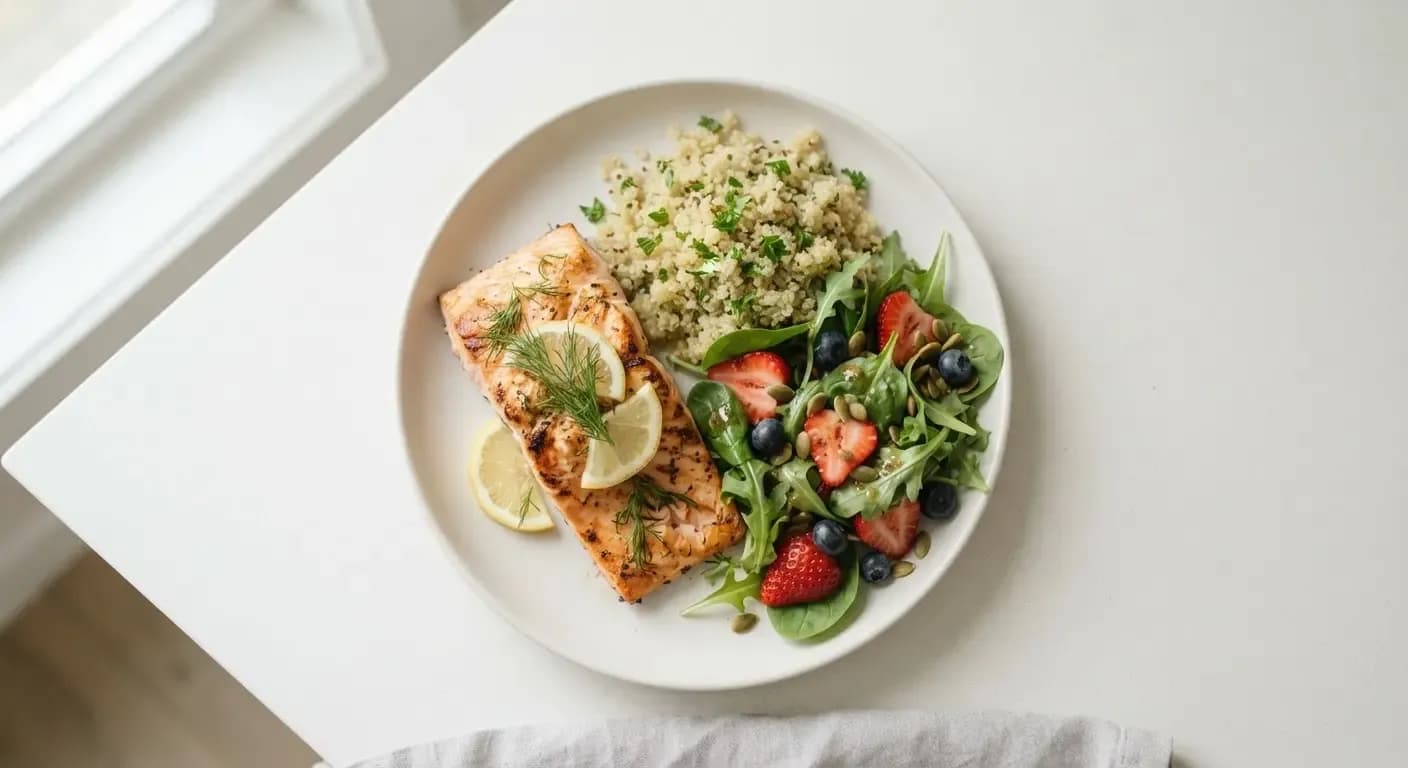
- Dinner: Baked salmon with a side of quinoa and steamed broccoli.
- Snack: An apple with a small handful of almonds.
Here are a few practical tips to lower the glycemic load of any meal:
- Always add protein or healthy fat: Never eat a carb by itself. Add chicken, fish, nuts, seeds, or avocado to your meal.
- Fill up on fiber: Start your meal with a big salad or add a side of non-starchy vegetables. Fiber slows everything down.
- Use a little acid: A splash of lemon juice or vinegar in a dressing can help lower the overall glycemic response of your meal.
While a sample plan is a great start, a personalized and structured program is often the fastest way to build lasting habits. If you're ready for a plan that takes all the guesswork out of it, discover a complete, easy-to-follow program here.
Frequently Asked Questions (FAQ)
Is a low glycemic diet the same as a low-carb or keto diet?
No, they are different. A low-glycemic diet focuses on the *quality* of carbohydrates, choosing those that are digested slowly. Low-carb and keto diets focus on restricting the overall *quantity* of carbohydrates you eat.
Do I have to avoid all high-GI foods forever?
Not at all! Balance is the goal. You can enjoy high-GI foods occasionally. The trick is to pair them with low-GI foods, protein, and healthy fats to soften their impact on your blood sugar.
How does cooking affect the GI of a food?
Cooking can have a big impact. For example, overcooking pasta makes it softer and easier to digest, which raises its GI. It's better to cook pasta 'al dente' (firm to the bite). Similarly, a boiled potato generally has a lower GI than a fluffy baked potato.
Are all fruits bad because of their sugar content?
Nope, this is a common myth. Most whole fruits are low-to-medium GI. The natural sugar in fruit is packaged with fiber and water, which slows down its absorption and prevents a big blood sugar spike.
Your Next Step to Stable Energy and Better Health
The main takeaway is simple: choosing low-glycemic foods is a powerful way to achieve stable energy, manage your weight effectively, and boost your long-term health. It's not about deprivation; it's about making smart, simple swaps that work for you. You now have the knowledge to get started on this journey.
If you're serious about taking control of your health and want a clear path to follow, a personalized eating plan can be the perfect tool. It takes the stress out of planning and helps you build confidence. Click here to get started with your science-backed plan and begin your journey with confidence.