The Ultimate Guide to Meditation for Stress Management
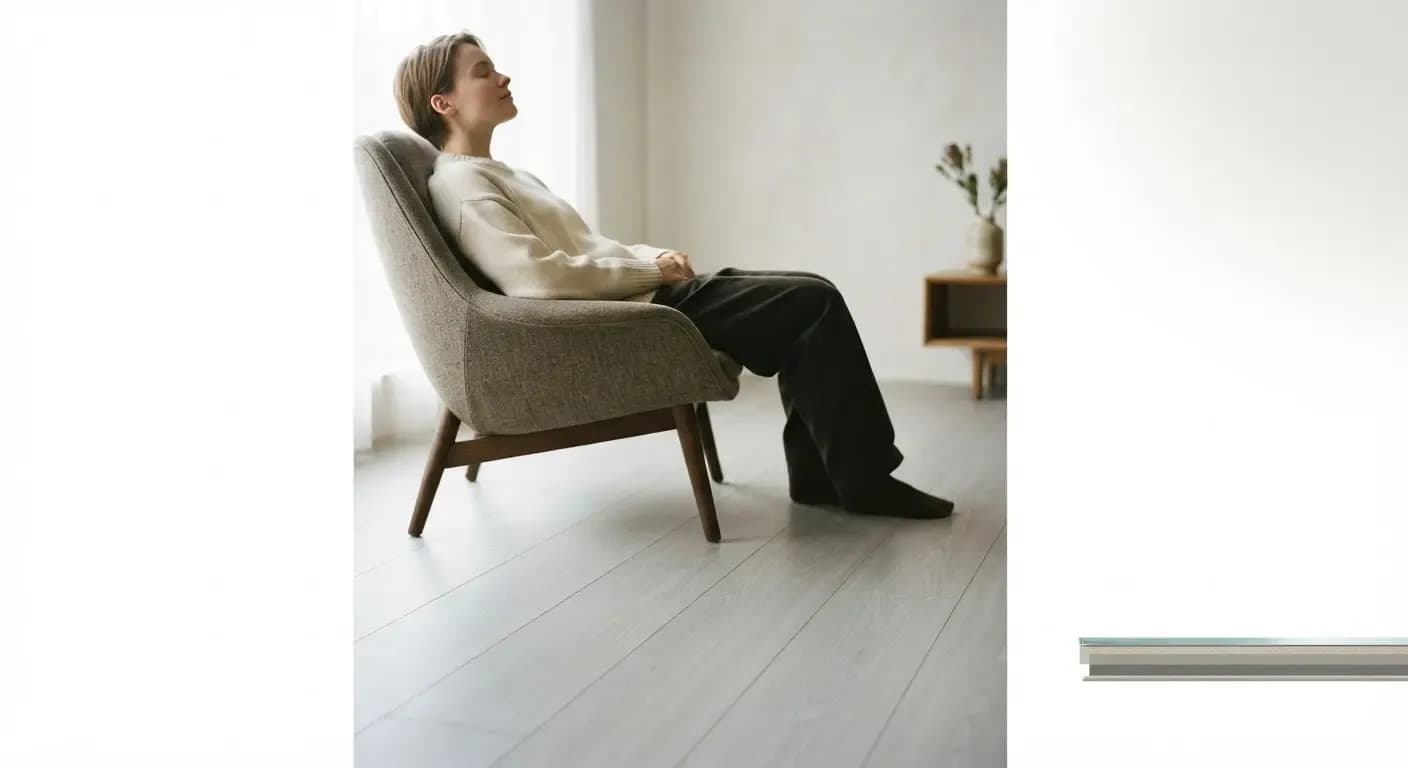
Does your brain ever feel like it has too many tabs open? You're trying to work, think about dinner, remember an appointment, and suddenly a wave of stress just hits you. It's a feeling most of us know all too well. Modern life is chaotic. But what if there was a practical, straightforward way to manage that feeling? I'm talking about meditation, a simple tool that can help you find your calm right in the middle of the storm. It’s not about chanting on a mountaintop; it's about learning to handle stress better, one breath at a time. And sometimes, giving your body extra support can make the journey smoother. Supplements designed for relaxation, like NuviaLab Relax, can help maintain that good mood and emotional balance we're all looking for.
"The goal of meditation isn't to control your thoughts. It's to stop letting them control you."
Understanding the Science: How Stress Hijacks Your Brain
Ever wonder why you feel so jittery when you're stressed? It's your body's old-school alarm system, the "fight-or-flight" response. When your brain senses a threat, it floods your system with hormones like cortisol and adrenaline. This was super helpful for our ancestors running from predators, but today, that alarm gets triggered by deadlines, traffic, and endless emails. When that system stays on all the time, it leads to chronic stress, which can cause real physical problems like headaches, trouble sleeping, and just feeling worn out.
But here's the cool part: our brains can change. It's called neuroplasticity. By practicing meditation, you can actually start to rewire your brain's response to stress. Studies have shown that mindfulness meditation can be linked to reduced levels of the stress hormone cortisol. You're not stopping stress from happening, but you're training your brain not to hit the panic button every single time. It’s like turning down the sensitivity on a smoke alarm that goes off every time you make toast.
Key Meditation Styles for Effective Stress Management
Meditation isn't a one-size-fits-all deal. Different styles work for different people and different types of stress. Finding the right one for you can make all the difference. Here are a few popular types that are perfect for beginners focused on stress management.
Meditation Type — Best For... — How It Works
Mindfulness Meditation — Managing racing thoughts and anxiety. — You focus on your breath and simply observe your thoughts as they come and go, without judging them. It's the most studied type for stress relief.
Body Scan Meditation — Releasing physical tension held in the body. — You bring your attention to different parts of your body one by one, noticing any sensations like tightness or warmth without trying to change them.
Walking Meditation — People who find sitting still difficult. — Instead of your breath, you use the physical sensation of your feet on the ground as your anchor, helping to ground you in the present moment.
Loving-Kindness Meditation — Stress caused by frustration, resentment, or anger. — You focus on generating feelings of compassion and kindness for yourself and others. It helps soften the hard edges of stressful emotions.
Experiment a little! Try one for a few days and see how it feels. There's no wrong choice, only what works for you.
How to Start Your Practice: A Practical Guide
Getting started is the hardest part, right? Many beginners feel like they're "doing it wrong" because they can't stop thinking. That's totally normal! The key is finding a method that gives you a bit of structure. You can find free guided meditations on platforms like YouTube, or you can try practicing on your own. For a more complete approach, you can also support your body from the inside.
This article contains affiliate links. If you purchase a product through one of our links, we may receive a commission.
While you're building a mental habit with meditation, you can also give your body the ingredients it needs to maintain a sense of calm. Products like NuviaLab Relax are formulated with natural ingredients that support emotional balance and relaxation. Think of it as a team effort: meditation trains your mind, and a good supplement helps your body stay in a relaxed state. This combination can make building a consistent habit feel much easier and more effective.
Meditation vs. Other Stress Relief Methods
You might be thinking, "I already go to the gym. Isn't that enough?" Exercise is fantastic for stress, but it works differently than meditation. Here’s a quick comparison:
- Meditation vs. Exercise: Exercise is amazing for burning off stress hormones and releasing physical tension. It’s like hitting a reset button for your body. Meditation, on the other hand, trains your mind's *reaction* to stress. So, while exercise helps you deal with the aftermath of stress, meditation helps you not get so stressed in the first place. They are a perfect pair.
- Meditation vs. Yoga: Yoga is often called a "moving meditation," and for good reason! It combines physical postures with breathwork. However, a dedicated, seated meditation practice can offer deeper mental training without any physical barriers. You don't need to be flexible to sit and breathe.
The goal isn't to replace your gym sessions or yoga classes. It's about adding another powerful tool to your stress-management toolkit. Some days a run is what you need; other days, a quiet 10-minute meditation will do the trick.
Frequently Asked Questions (FAQ)
Are meditation apps worth the subscription cost?
For many, yes. Paying for an app is like getting a gym membership for your mind. It provides structure, high-quality guidance, and a variety of options that can keep you consistent, which is crucial for seeing long-term benefits. The biggest complaints are usually about cost and paywalls, so try free trials to find one you love.
How long does it take to feel the benefits of meditation?
You might feel a little calmer right after your first session. But the real, lasting changes in stress resilience typically develop over several weeks of consistent, daily practice. Be patient with yourself!
What if I can't stop my thoughts during meditation?
Welcome to the club! Nobody can. The goal isn't an empty mind. The goal is to notice when you've been carried away by a thought and gently bring your attention back to your breath. Every time you do that, it's like a bicep curl for your brain. That *is* the practice.
Which type of meditation is best for stress and anxiety?
Mindfulness meditation is the most widely studied and recommended starting point for general stress and anxiety. Its focus on non-judgmental awareness is a powerful skill for dealing with anxious thoughts.
Your Path to a Calmer Mind Starts Today
Stress is a part of life, but it doesn't have to run your life. Meditation is a learnable skill that gives you the power to choose how you respond to whatever comes your way. Remember, consistency is way more important than duration. A 5-minute practice every day is much more powerful than a one-hour session once a month.
So, take the first step. Find a quiet spot, take a deep breath, and just begin. If you're looking for that extra support to help your body and mind work together, consider adding a natural supplement to your routine. A formula like NuviaLab Relax can help your body maintain that feeling of calmness you're working toward. Your journey to a more peaceful mind starts now.