The Ultimate Guide to a Plant-Based Diet for Beginners
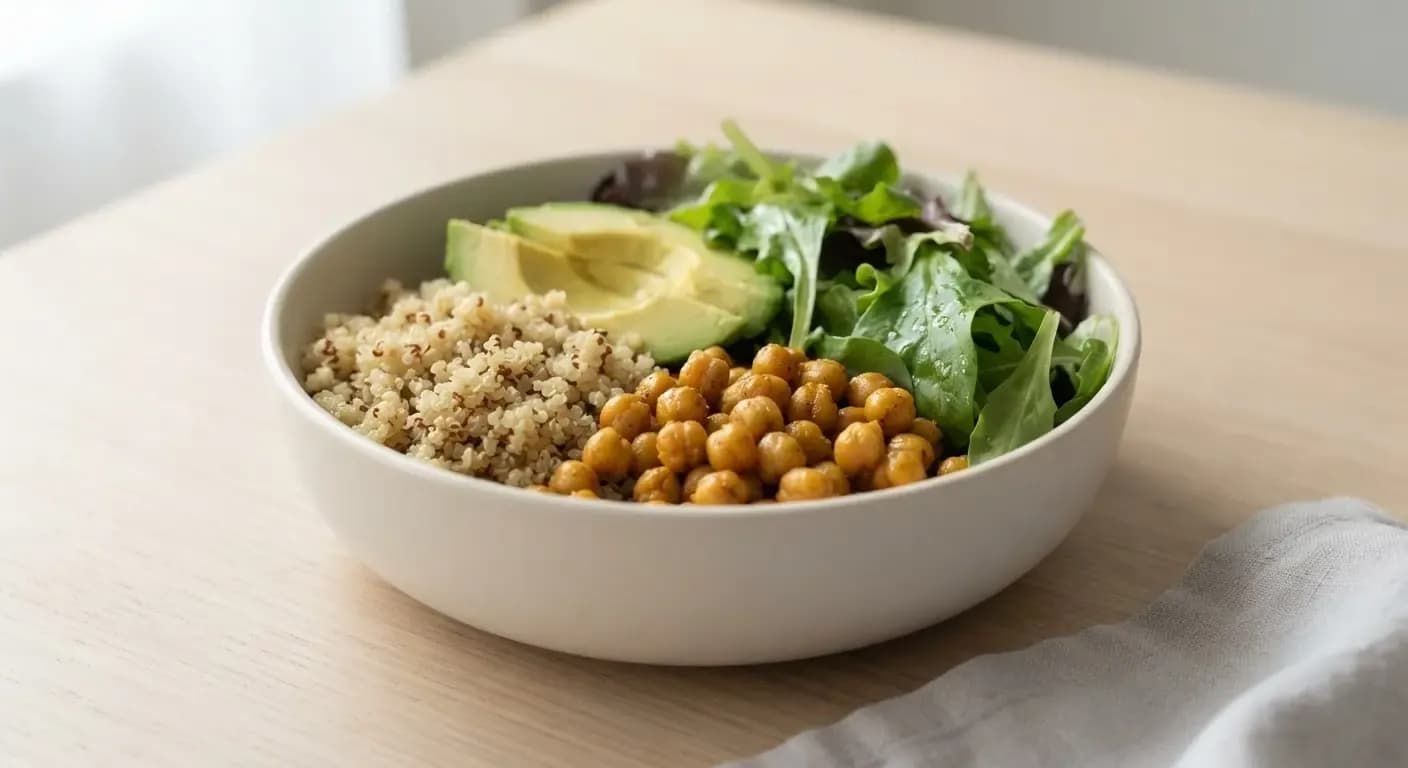
Thinking about trying a plant-based diet but feeling a little lost? It can seem like a huge change, with new rules and recipes to learn. But what if I told you it’s much simpler—and more delicious—than you think? This guide will break down everything you need to know, from the amazing health benefits to your first grocery list, helping you thrive on plants.
"A plant-based diet is a flexible, sustainable, and highly beneficial approach to eating, not an all-or-nothing ordeal. It's about adding more, not just taking away."
What a Plant-Based Diet Really Means (and Why It’s Simpler Than You Think)
More and more people are getting curious about plant-based eating, and for good reason! Whether it's for better health, a lighter footprint on the environment, or ethical reasons, eating more plants is becoming a popular choice. So, what is it exactly? At its core, a plant-based diet is an eating style that focuses on foods that come from plants. This includes fruits, vegetables, nuts, seeds, whole grains, and legumes.
The best part? It's all about flexibility, not strict rules. Unlike some diets, a plant-based approach doesn't mean you have to give up animal products entirely unless you want to. It's more about shifting the focus of your plate. This guide is here to be your friendly, no-nonsense resource, demystifying the whole process and giving you simple, actionable steps to get started.
Plant-Based vs. Vegan vs. WFPB: Understanding the Key Differences
The terms can get a bit confusing, but the differences are pretty straightforward. Think of them as different approaches under the big umbrella of plant-focused eating. Let's clear things up.
Diet Type — Foods Included — Foods Avoided — Primary Focus
Plant-Based — Mostly plants, but can include small amounts of meat, dairy, or eggs. — No strict exclusions; focuses on reducing animal products. — Flexibility
Vegan — Only plant-derived foods. No meat, dairy, eggs, or honey. — All animal products and by-products. — Ethics & Animal Welfare
Whole-Food, Plant-Based (WFPB) — Unprocessed or minimally processed plants. — Animal products, plus refined oils, flours, and sugars. — Health & Nutrition
So, you can be plant-based without being vegan. The main idea is simply to make plants the star of your meals, whatever that looks like for you.
The Spectrum of Plant-Forward Eating: Find Your Perfect Fit
There's no single "right" way to eat more plants. It’s a spectrum, and you can find the style that works best for your lifestyle and goals. Here are some of the most common approaches:
- Flexitarian: This is a great starting point for many. You're primarily eating plant-based foods but still occasionally enjoy meat, poultry, or fish. It's all about balance and reduction, not elimination.
- Pescatarian: On this diet, you cut out meat and poultry but continue to eat fish and other seafood. This is combined with a wide variety of plant-based foods.
- Lacto-Ovo Vegetarian: This is what most people think of as a traditional vegetarian diet. It excludes all meat, poultry, and fish, but still includes dairy products (lacto) and eggs (ovo).
- Vegan: This is the most committed form of plant-based eating, where all animal-derived products—including meat, fish, dairy, eggs, and even honey—are excluded from the diet.
Choosing a path isn't a lifelong contract. You might start as a flexitarian and gradually move towards a different style as you get more comfortable. The key is to find what feels sustainable and enjoyable for you.
The Science-Backed Benefits of Eating More Plants
Why are so many people making the switch? The benefits are pretty impressive and supported by a lot of research. It's not just a trend; it's a powerful way to improve your well-being.
Improved Health Outcomes
Eating a diet rich in plants is consistently linked to better health. According to health authorities, it can help reduce the risk of chronic illnesses like heart disease, type 2 diabetes, and certain types of cancer. It's also fantastic for managing weight and can lead to lower cholesterol levels, all because you're loading up on fiber, vitamins, and minerals while cutting back on saturated fats.
Environmental Impact
Your food choices have a big impact on the planet. Shifting to a more plant-based diet is one of the most effective things you can do to reduce your environmental footprint. Producing plant foods generally requires less land, uses significantly less water, and generates fewer greenhouse gas emissions compared to raising livestock.
Potential for Longevity
Ever hear of the "Blue Zones"? These are regions around the world where people live exceptionally long, healthy lives. One thing they all have in common is a diet centered around plants. While it's not the only factor, a plant-centric eating pattern appears to be a key ingredient in their recipe for a long and vibrant life.
Meeting Your Nutritional Needs: A Guide to Key Plant-Based Nutrients
One of the biggest questions people have is, "Will I get enough nutrients?" The answer is a resounding yes! A well-planned plant-based diet can provide everything your body needs. You just need to know where to look.
Nutrient — Why It's Important — Best Plant-Based Sources — Pro Tip
Protein — Building and repairing tissues, muscle function. — Lentils, chickpeas, beans, tofu, tempeh, edamame, quinoa, nuts, seeds. — Combine different sources throughout the day to get all essential amino acids.
Iron — Carrying oxygen in your blood, preventing fatigue. — Spinach, lentils, beans, tofu, fortified cereals, and many other iron rich foods. — Eat iron sources with Vitamin C (like oranges or bell peppers) to boost absorption.
Calcium — Bone health, nerve function. — Fortified plant milks (almond, soy, oat), tofu, kale, broccoli, tahini. — Look for tofu that has been set with calcium sulfate for an extra boost.
Vitamin B12 — Nerve function, making red blood cells. — Fortified foods (nutritional yeast, cereals, plant milks) and supplements. — This is the one nutrient you can't reliably get from plants. Supplementation is highly recommended.
Omega-3s — Brain health, reducing inflammation. — Flaxseeds, chia seeds, hemp seeds, walnuts. — A tablespoon of ground flaxseed in your daily smoothie is an easy way to meet your needs.
How to Start a Plant-Based Diet: Your 5-Step Action Plan
Ready to give it a try? The key is to start slow and make it fun. Here's a simple plan to get you going without feeling overwhelmed.
- Start Small & Add, Don't Just Subtract: You don't have to go all-in overnight. Try 'Meatless Mondays' or focus on making one meal a day fully plant-based, like breakfast. Think about adding more vegetables and beans to your plate, rather than just focusing on what you're removing.
- Stock Your Pantry: Having the right ingredients on hand makes everything easier. Grab some canned beans (like black beans and chickpeas), lentils, whole grains (like brown rice, quinoa, and oats), and a variety of nuts and seeds. And don't forget flavor! Spices, herbs, and nutritional yeast are your best friends.
- 'Veganize' Your Favorite Meals: You don't have to give up your favorite dishes. Get creative! Use lentils in your spaghetti sauce instead of ground meat, make creamy pasta sauces with cashews instead of dairy, or try a black bean burger instead of a beef patty.
- Master 3-5 Go-To Recipes: Build your confidence by finding a few simple, foolproof recipes you love. A hearty lentil soup, a quick tofu stir-fry, or a big veggie-packed burrito bowl are great places to start. Once you have a few favorites, you'll never be stuck wondering what to make.
- Plan Ahead to Stay Consistent: A little bit of planning goes a long way. Jotting down a few meal ideas for the week helps you stay on track and avoid reaching for less healthy options when you're busy. Remember, any major lifestyle change can come with stress. It's important to support your overall well-being with good sleep and relaxation. Some people find that supplements designed to support emotional balance, like NuviaLab Relax, can be helpful during this kind of transition.
Frequently Asked Questions (FAQ)
Where will I get my protein?
This is the most common question, but there's no need to worry! Protein is abundant in plant foods. As long as you eat a varied diet that includes sources like beans, lentils, tofu, nuts, and whole grains, you will easily meet your protein needs.
Isn't it expensive?
It can be if you only buy specialty mock meats and cheeses, but it can also be incredibly affordable. Staples like rice, beans, lentils, and potatoes are some of the cheapest foods you can buy. Focusing on whole, unprocessed foods is the key to keeping your grocery bill down.
What about eating out or social events?
It's easier than ever! Most restaurants now offer vegetarian or vegan options. A good tip is to check the menu online before you go. If you're going to a party, you can eat a small snack beforehand or bring a plant-based dish to share—everyone will probably love it!
Will I be hungry all the time?
Actually, the opposite is often true! Plant-based foods are typically very high in fiber, which is amazing for helping you feel full and satisfied. A meal built around whole grains, legumes, and vegetables will keep you energized for hours.
Your Journey to a Healthier, Plant-Powered Life Starts Now
The most important thing to remember is that a plant-based diet is a journey, not a destination. It's about progress, not perfection. Every plant-based meal is a win for your health and the planet. By focusing on adding more delicious plants to your plate, you're starting on a path toward better health, a lighter environmental footprint, and a whole new world of culinary adventure. You've got this!