Mastering Sleep Hygiene: A Practical Guide for Restful Nights
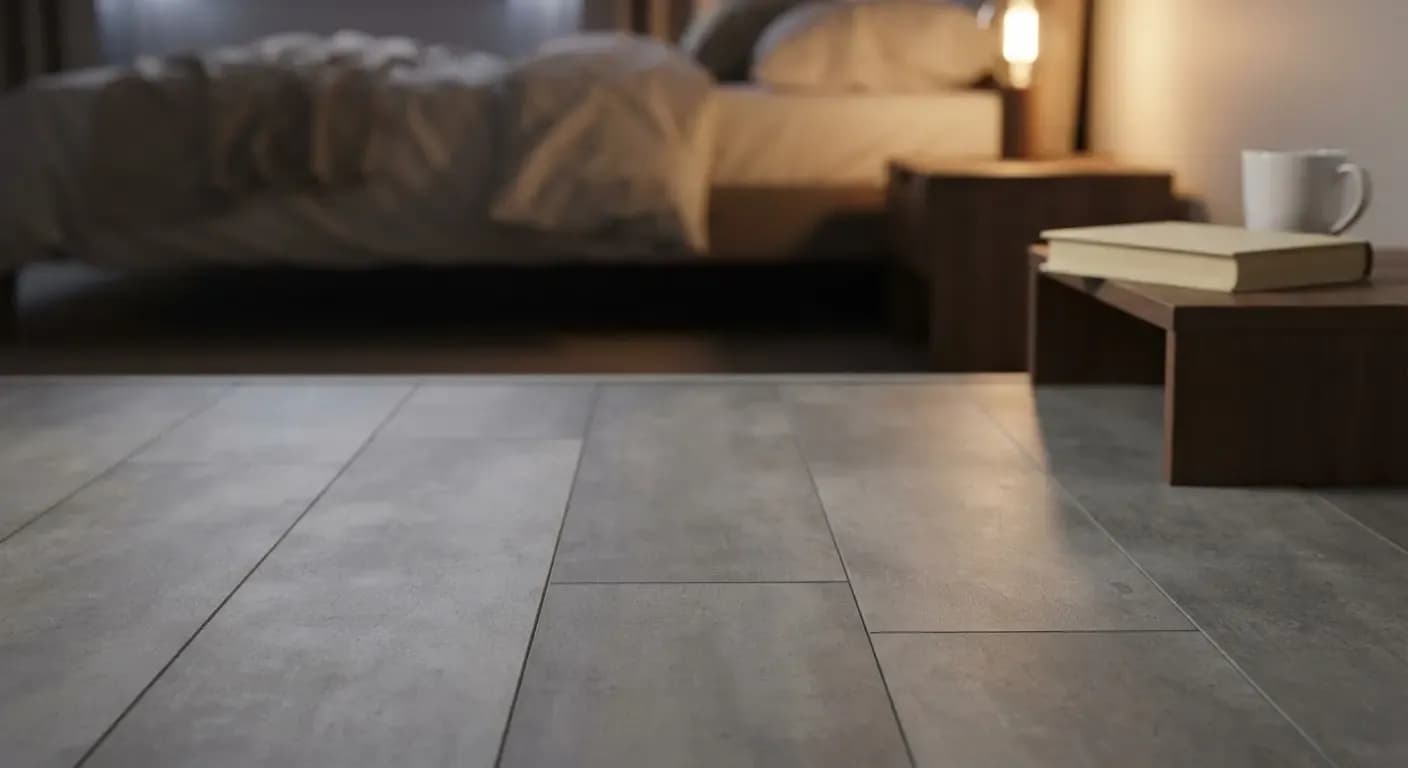
Do you ever lie in bed, staring at the ceiling, and your brain just won't switch off? You're exhausted, but sleep feels a million miles away. You're not alone in this. So many of us struggle with getting good rest, but the fix is often found in the small habits we build throughout the day, not just at night.
"Mastering your sleep isn't about finding a magic pill; it's about learning the simple, daily practices that tell your body it's time to rest."
What Is Sleep Hygiene and Why Does It Matter?
So, what is sleep hygiene? It’s just a simple term for all the habits and routines that help you get consistent, quality sleep. Think of it like dental hygiene, but for your rest. You brush your teeth every day to keep them healthy, and you practice good sleep hygiene to keep your mind and body healthy.
And it really matters. According to the CDC, about 30.5% of adults aren't getting the recommended seven hours of sleep. When you're constantly tired, it affects everything—your mood, your focus at work, and even your overall health. The good news is that you have the power to change it. Improving your sleep hygiene is a process, and this guide will show you exactly how to do it.
This article contains affiliate links. We may earn a commission if you make a purchase through these links, at no extra cost to you.
While building these foundational habits is key, sometimes you need a little extra support to help your body relax and find balance. A supplement like NuviaLab Relax can help support this journey with its blend of natural ingredients designed to promote calmness and improve sleep quality. You can see the details here.
The Four Pillars of Excellent Sleep Hygiene
Getting better sleep isn't about one big change. It's about focusing on four key areas. Let's break them down.
Pillar 1: A Consistent Routine
Your body loves a schedule. It runs on an internal clock called the circadian rhythm. Going to bed and waking up at the same time every day—yes, even on weekends—helps keep this clock running smoothly. It trains your brain to expect sleep at a certain time, making it easier to drift off.
Pillar 2: An Optimized Bedroom Environment
Your bedroom should be a sanctuary for sleep. The best way to think about it is like a cave: cool, dark, and quiet. Science shows that a cooler room helps your body's core temperature drop, which is a signal for sleep. Aim for a temperature around 65°F (18.3°C). Use blackout curtains to block light and earplugs or a white noise machine if it's noisy.
Pillar 3: Healthy Daily Habits
What you do during the day has a huge impact on your night. Caffeine, for example, has a half-life of about 4-6 hours. That means if you have a coffee at 3 PM, half of that caffeine could still be in your system at 9 PM. Try to cut off caffeine by early afternoon. Also, avoid heavy meals and alcohol too close to bedtime, as they can disrupt your sleep cycle.
Pillar 4: A Purposeful Wind-Down Routine
You can't expect to go from 100 to 0 in five minutes. Your brain needs time to transition from the busyness of the day to a state of rest. Create a relaxing, screen-free wind-down routine for the hour before bed. This could be reading a book (a real one!), gentle stretching, listening to calm music, or meditation. It signals to your body that sleep is coming.
Your Actionable Sleep Hygiene Checklist
Ready to put this into practice? Here is a simple checklist of better sleep habits you can start building today. Don't try to do everything at once! Just pick one or two to focus on first.
- In the Morning: Get some sunlight within 30 minutes of waking. This helps set your internal clock for the day. Drink a glass of water and try your best not to hit that snooze button.
- In the Afternoon: Stop drinking caffeine by 2 PM. Get some kind of physical activity in, even if it's just a brisk walk. If you need to nap, keep it short and before the late afternoon.
- In the Evening: Start dimming the lights in your home a couple of hours before bed. Eat your last meal at least three hours before you plan to sleep. And most important, start your screen-free wind-down routine about an hour before bedtime.
Enhancing Your Routine: Manual vs. Supported Sleep Improvement
Sticking to new habits can be tough. It's easy to forget to track your progress or feel like your efforts aren't paying off. Trying to improve sleep on your own with just a sleep diary can be subjective and inconsistent. Sometimes, giving your body extra support can make the whole process smoother and more effective.
This is where a supportive aid comes in. A carefully formulated supplement can help your body's natural processes. For example, a product like NuviaLab Relax is designed with ingredients that help promote a feeling of calmness and support emotional balance, making it easier to wind down and benefit from your new sleep hygiene habits.
Feature — Improving On Your Own — With Support from NuviaLab Relax
Consistency — Can be difficult to maintain — Helps create a consistent feeling of calm
Falling Asleep — Relies solely on behavioral changes — Supports the body's natural relaxation response
Mood & Balance — Indirectly improved by better sleep — Directly supports a good mood and emotional balance
Next Step — Continue with trial and error — Check Availability
Frequently Asked Questions (FAQ)
How long does it take for improved sleep hygiene to work?
You might notice small improvements within a few days, but consistency is the most important thing. It can take several weeks for these new practices to become solid habits and for you to feel the full benefits.
Is it bad to use my phone with a blue light filter at night?
A blue light filter is better than nothing, but it doesn't solve the main issue. The mental stimulation from scrolling, watching videos, or answering emails keeps your brain active and awake. It's best to put the phone away an hour before bed.
Can I 'catch up' on sleep during the weekends?
While sleeping in an extra hour or two on weekends can help you feel a bit better, research shows it doesn't fully erase the negative effects of sleep debt from the week. A consistent sleep schedule is always the superior choice for your long-term health.
What if I do everything right and still can't sleep?
If you've consistently applied these sleep hygiene tips and are still struggling, it might be time to talk to a professional. This leads us to our next point.
When Sleep Hygiene Isn't Enough: Knowing When to See a Doctor
It's important to understand that sleep hygiene is a tool for improving sleep quality, not a cure for clinical sleep disorders. If your sleep problems persist, please seek professional medical advice. You should talk to a doctor if you experience:
- Chronic Insomnia: Trouble falling or staying asleep for three or more nights a week, lasting for three or more months.
- Signs of Sleep Apnea: Loud, persistent snoring accompanied by gasping or pauses in breathing while you sleep.
- Severe Daytime Fatigue: Feeling overwhelmingly tired during the day despite thinking you got enough sleep.
These symptoms could point to an underlying medical condition that requires a doctor's diagnosis and treatment.
Your First Step to Better Sleep Starts Tonight
You now have a complete roadmap to mastering your sleep hygiene. Remember the four pillars: a consistent routine, an optimized bedroom, healthy daily habits, and a relaxing wind-down. It's all about making small, sustainable changes that add up over time.
Don't get overwhelmed. Just pick one thing from the checklist to try tonight. Maybe it's putting your phone away an hour before bed. Maybe it's making sure your room is cool and dark. Your journey to restful nights and energized days starts with that single step. And if you'd like a partner on that journey, consider the targeted support that can help you relax and unwind. Combine these powerful habits with a supportive aid to unlock truly restorative rest. You can learn more right here.