Sleep Number vs. The Best Smart Beds: An Honest Comparison
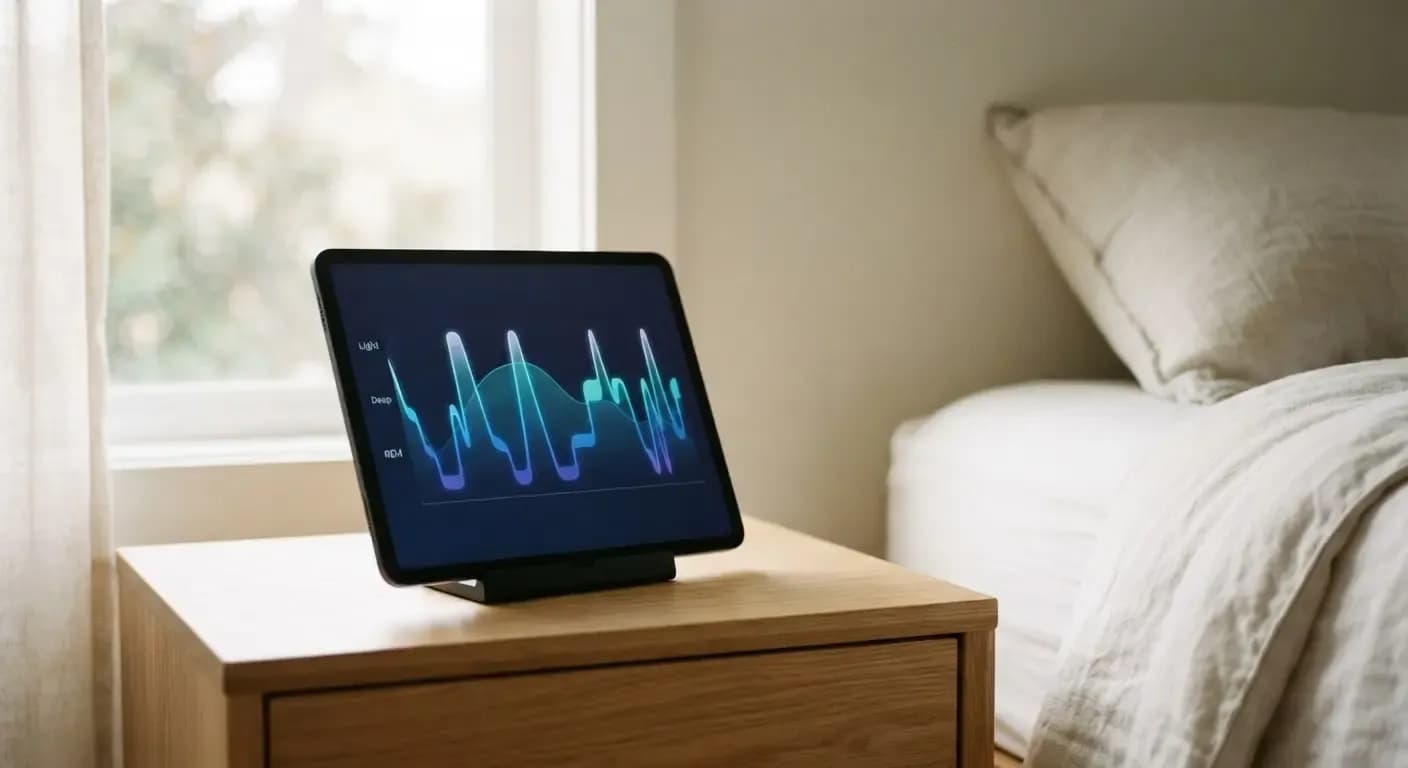
Curious about the Sleep Number bed? You're not alone. For years, it has been the go-to name for personalized comfort. But with so many new smart mattresses on the market, is the original still the best choice for your sleep and your wallet? We've done the research, comparing the iconic Sleep Number bed against the new wave of smart technology to help you find your perfect night's sleep.
The bed of the future isn't just adjustable; it's intelligent. And finding the right one can completely change how you feel every morning.
The Quest for the Perfect Night's Sleep
Let's be honest, you're probably here because you're tired of being... well, tired. Maybe you struggle with back pain, or your partner's tossing and turning keeps you awake. Or perhaps you just can't seem to find a mattress that feels 'just right'. For a long time, Sleep Number was the main answer with its adjustable air technology.
Today, the smart bed market has exploded with new options that use different technologies to promise an even better, more restorative sleep. These newer beds often use advanced sensors, smart materials, and even AI to adjust to your body in real-time. While a great bed is a huge part of the puzzle, remember that improving sleep is a holistic process. Things like managing stress and ensuring your body is supported are also key. Some people find that supplements designed to support relaxation, like NuviaLab Relax, can help by promoting a sense of calm and maintaining a good mood, which contributes to better sleep quality.
Smart Bed Comparison: Key Technologies at a Glance
Instead of just comparing brands, it's more helpful to compare the core technology inside the mattress. What you're sleeping on makes all the difference. The two main types are adjustable air chambers and smart foam or grid systems.
Technology — How It Feels — Best For
Adjustable Air Chambers — Firmer, with a feeling of floating on top of the mattress. Firmness is controlled by adding or removing air. — People who know their exact firmness preference and want to set it manually.
Smart Foam or Grids — More contouring and pressure-relieving, like memory foam but often more responsive and breathable. Can adjust automatically. — Sleepers who want the bed to automatically adapt to their movements, and those who need extra pressure relief.
Understanding this difference is the first step to choosing the right bed for your body and sleep style.
Sleep Number 360 c4 Smart Bed: The Original Adjustable Choice
Sleep Number is the brand that started it all. Their core feature is the adjustable air chamber that lets you choose your firmness on a scale of 1 to 100. The 360 c4 is one of their popular models, offering the classic Sleep Number experience with some modern tech sprinkled in.
- Pros: Long-standing brand trust, a wide range of models to fit different budgets, and their Responsive Air® technology can adjust to you as you move.
- Cons: Some users report that it can feel like a high-tech air mattress. There's a potential for a dip or 'trench' to form in the middle between the two air chambers, and the air pump can sometimes be noisy.
This bed is often best for brand-loyal shoppers and those who want a simple, proven adjustable air system without needing the most advanced automatic adjustments or sleep tracking features.
Saatva Solaire: A Luxury Airbed Alternative
If you like the idea of an adjustable air bed but want a more luxurious feel, the Saatva Solaire is a strong contender. It's designed to solve some of the common complaints about traditional air beds by using higher-end materials.
- Pros: It's built with premium materials like Talalay latex and memory foam on top of the air chambers, giving it a more traditional mattress feel. It also features great edge support and comes with free white-glove delivery and setup.
- Cons: It comes with a premium price tag and has fewer smart tracking features compared to other tech-focused beds on the market.
The Solaire is ideal for luxury shoppers who want the adjustable firmness of an airbed but wrapped in the comfort and quality of a high-end, traditional mattress.
How to Choose the Right Smart Bed for You
Feeling a little overwhelmed? Don't worry. Let's break down the key features to look for so you can make a confident choice.
Adjustability Tech: Air vs. Foam and Grids
As we covered in the table, this is the biggest difference you'll feel. Air chambers give you precise, manual control over firmness. Smart foams and grids are more about automatic, responsive contouring that adapts to your pressure points throughout the night. Think about whether you want to 'set it and forget it' or have a bed that does the work for you.
Sleep Tracking & AI: What Really Matters?
Many smart beds offer sleep tracking, but not all tracking is created equal. Some beds just give you a report in the morning showing your heart rate and movement. The most advanced systems use that data to make real-time, automatic adjustments to the bed's firmness and support while you sleep. If you're a data-nerd or serious about improving your sleep, look for a bed with automatic adjustments.
Solving for Back Pain and Partner Disturbance
This is where smart beds truly shine. Almost all of them offer dual-zone adjustability, meaning you and your partner can choose your own settings. This ends the compromise. For back pain, a surface that contours to your body to support your spine's natural curve is critical. While airbeds can be made firm, smart foam and grid systems often provide better pressure relief for your shoulders and hips.
Price, Warranty, and Trial Periods
Smart beds are an investment. Don't just look at the initial price. A higher upfront cost for a bed with better materials and a stronger warranty can mean better long-term value. Always check the trial period. A good company will give you several months to sleep on the mattress at home to be sure it's right for you. A long, risk-free trial is a sign of a company that's confident in its product.
Frequently Asked Questions (FAQ)
Is a Sleep Number bed worth the money?
It can be. Sleep Number beds are well-made and offer proven adjustable comfort. However, they were pioneers, and today, newer alternatives exist that sometimes provide more advanced technology, better pressure relief, or a more traditional mattress feel for a similar price. It's worth comparing them to the latest smart foam and grid beds before you decide.
What is the best alternative to a Sleep Number bed?
The 'best' alternative depends on what you're looking for. If you want a more luxurious feel, the Saatva Solaire is a great option. If you're focused on technology and want automatic adjustments and deep pressure relief, look for smart beds that use a foam or polymer grid system instead of air chambers.
Do Sleep Number beds get a dip in the middle?
This is a common concern known as the 'trench effect'. Because the bed uses two separate air chambers side-by-side, some couples feel a dip or gap in the center of the bed. Many newer smart bed designs use a unified comfort layer on top to help reduce this feeling.
How long do Sleep Number beds last?
The lifespan of a Sleep Number bed is generally good, and they come with a warranty. However, like any product with mechanical parts, the air pump and chambers can potentially fail over time. It's always a good idea to read the full warranty details to understand what's covered and for how long.
Final Verdict: Which Smart Bed Should You Buy?
The smart bed market has grown far beyond a single brand. While Sleep Number is a solid choice with a long history, it's no longer the only option for personalized sleep. The right choice for you depends entirely on your priorities. If you love the idea of manually setting your exact firmness number, Sleep Number is a proven performer. If you want the sensation of a luxury mattress with that same adjustability, a high-end airbed like the Solaire might be perfect.
However, if you are most excited by technology that actively works to improve your sleep with automatic adjustments and superior pressure relief, then you should explore the new generation of smart beds using foam or grid systems. By considering the technology, the feel, and your own sleep goals, you can invest in a bed that truly delivers restorative sleep for years to come.