The Best Sleep Trackers for Actionable Insights & Better Energy
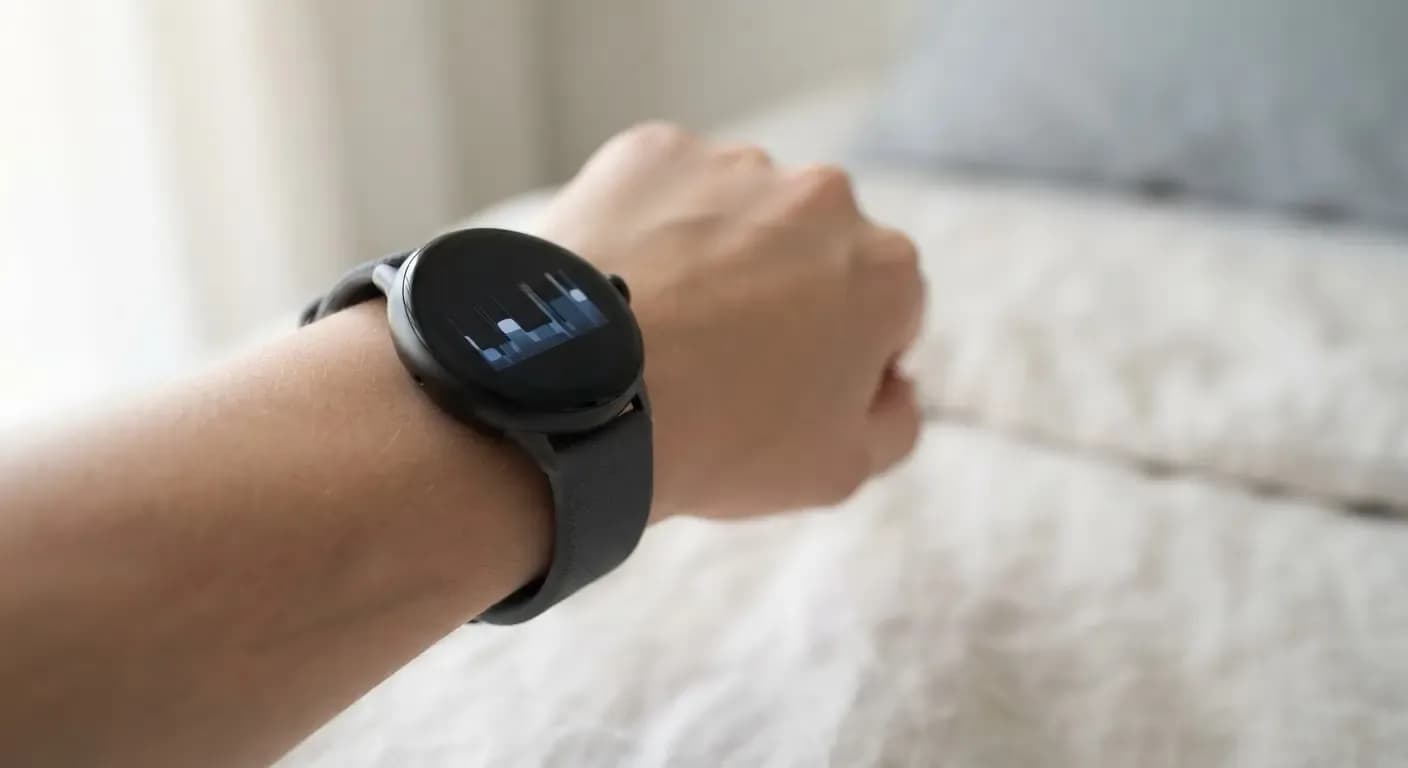
Ever wake up after a solid 8 hours and still feel like you could sleep for another 8? It's super frustrating. You did everything right, but the energy just isn't there. This is where most of us realize that the *quantity* of our sleep isn't the whole story. The real secret is in the *quality*.
"Tired of waking up tired? Your sleep app might be giving you data, but not the answers you need to actually improve your energy."
Sleep tracking apps and watches have exploded in popularity, promising to unlock the secrets of our slumber. But often, they just throw a bunch of numbers at us. Deep sleep, REM, sleep score... what are we supposed to do with all that? If you're tired of data without direction, you're in the right place. We're going to compare the best sleep tracking options out there to help you find the right tool for your goals, whether that's having more energy, recovering faster from workouts, or just feeling more focused during the day.
This article may contain affiliate links. If you purchase a product through one of them, we may receive a commission.
We've looked at everything, and for those who just want the bottom line: there is one system that stands out for turning confusing data into a simple, actionable plan. You can see the details here if you want to skip ahead.
The Best Sleep Trackers at a Glance
Choosing a sleep tracker can feel overwhelming. To make it easier, here's a quick comparison of the top options we'll be looking at. We've focused on what really matters: the data you get and who it's best for.
Product Name — Type — Key Metrics — Best For — Learn More
The Actionable Sleep Coach — Coaching System + Wearable — Sleep Stages, HRV, Recovery Score, AI Coaching — Data-driven professionals wanting a concrete improvement plan. — See Details
Oura Ring Gen3 — Ring — Sleep Stages, HRV, Skin Temperature, SpO2 — Discreet, 24/7 health monitoring with a focus on style. — Check Website
Garmin / Apple Watch — Watch — Sleep Stages, Activity Tracking, GPS, Smart Notifications — Athletes and tech enthusiasts needing an all-in-one device. — Check Website
Sleep Cycle App — App — Sleep Duration, Snoring, Smart Alarm — Beginners curious about basic patterns without buying hardware. — Check App Store
The Actionable Sleep Coach – Best Overall for Actionable Insights
This isn't just another tracker; it's a complete system designed to turn your sleep data into a personalized action plan. It uses advanced sensors to gather high-fidelity data and pairs it with powerful coaching to tell you exactly what to do to improve your energy and performance. Instead of just showing you a sleep score, it connects your daily habits to your nightly recovery and gives you concrete, easy-to-follow recommendations.
Pros & Cons
- Pro: Provides personalized, actionable recommendations for improvement.
- Pro: Highly accurate data on sleep, recovery, and daily strain.
- Pro: User-friendly dashboard that makes complex data easy to understand.
- Con: Requires an initial investment and commitment to get the most out of it.
Who is it for?
This is perfect for the data-driven professional or anyone serious about performance who wants not just to track sleep, but to receive a concrete plan for improving it. If you want to know *why* you feel tired and *what* to do about it, this is the solution that closes the loop. Start improving your sleep tonight.
Oura Ring Gen3 – Best for Discreet, 24/7 Health Monitoring
The Oura Ring has become incredibly popular for its minimalist design. It's a sleep tracker you can wear all day without it looking like a piece of tech. It packs a surprising number of sensors into a small, comfortable ring, making it great for passive, 24/7 health monitoring.
Pros & Cons
- Pro: Inconspicuous and stylish design that you can wear anywhere.
- Pro: Excellent temperature sensing for tracking trends.
- Pro: Long battery life compared to many smartwatches.
- Con: Requires a monthly subscription to access all your data and insights.
- Con: Activity tracking is less robust than a dedicated sports watch.
Who is it for?
This is for the health-conscious individual who values aesthetics and wants a set-and-forget tracker for holistic wellness. If you want deep sleep insights without wearing a bulky watch to bed, the Oura Ring is a top contender.
Garmin / Apple Watch – Best for All-in-One Fitness & Sleep
For many people, a smartwatch is the ultimate all-in-one device. Brands like Garmin and Apple have invested heavily in adding sleep tracking to their already powerful fitness and productivity tools. They are the jack-of-all-trades in the wearable world.
Pros & Cons
- Pro: Excellent for detailed activity and GPS tracking for runs, cycling, and more.
- Pro: Huge app ecosystem and smart notifications keep you connected.
- Con: Often needs to be charged daily, which can be a hassle for overnight tracking.
- Con: Can feel bulky or uncomfortable to wear while sleeping.
- Con: Sleep data can be less detailed or actionable without using third-party apps.
Who is it for?
The dedicated athlete or tech enthusiast who wants a single device for workouts, daily life, and general sleep monitoring. If your workouts are just as important as your sleep, a do-it-all smartwatch is a logical choice.
Sleep Cycle App – Best Free Option for Beginners
Before you invest in any hardware, you might just want to dip your toes into the world of sleep tracking. The Sleep Cycle app is a great starting point. It uses your phone's microphone or accelerometer to estimate your sleep patterns, so there's no wearable required.
Pros & Cons
- Pro: Free to get started, making it a no-risk option.
- Pro: The smart alarm feature, which aims to wake you during a light sleep phase, is very popular.
- Con: Accuracy is much lower than sensor-based wearables.
- Con: Provides very limited metrics (no HRV, temperature, etc.).
- Con: Can drain your phone's battery overnight.
Who is it for?
Anyone who is curious about their basic sleep patterns, like snoring or general duration, without wanting to commit to a device yet. It's a great first step that often shows people the limitations of basic tracking and gets them ready for a more powerful tool.
How to Choose a Sleep Tracker: A Buyer's Guide
With so many options, how do you pick the right one? Focus on these four key areas.
1. Form Factor
Where you wear it (or don't) matters. Rings are discreet, watches are multipurpose but can be bulky, and apps require no hardware but are the least accurate. Think about what you'll comfortably wear or use every single night.
2. Key Metrics That Matter
Don't get lost in the data. A few metrics are more important than others for understanding recovery and energy.
- Sleep Stages: Understanding how much time you spend in Light, Deep, and REM sleep helps you see the quality of your rest.
- Heart Rate Variability (HRV): This is the variation in time between your heartbeats. A higher HRV is generally a sign of good recovery and a resilient nervous system. It's a powerful metric for understanding your body's readiness for the day.
- Respiration Rate: Your breaths per minute can be an indicator of your overall health and sleep quality.
3. Accuracy & Medical Disclaimer
It's important to have realistic expectations. Consumer sleep trackers are fantastic for identifying personal trends and patterns. However, they are not medical devices. They cannot diagnose conditions like sleep apnea. If a tracker shows something concerning, like irregular breathing, it's a great reason to talk to your doctor—but the tracker itself isn't the diagnosis.
4. Data vs. Insights
This is the most important point of all. A good tracker doesn't just show you data; it tells you what to do with it. Getting a graph of your sleep stages is interesting, but getting a recommendation like, "You slept better on days you meditated. Try doing that again tonight," is truly valuable. This is what separates basic trackers from advanced coaching systems.
Frequently Asked Questions (FAQ)
Can a sleep tracker diagnose sleep apnea?
No. While some trackers can identify irregular breathing patterns, they are not medical devices and cannot provide a diagnosis. If you see concerning data, you should discuss it with a healthcare professional.
How long does a sleep tracker need to provide accurate insights?
Most devices need about one to two weeks (7-14 nights) to learn your personal baseline. After that, the personalized feedback and trend analysis become much more reliable.
Do I really need a subscription for my sleep tracker?
It depends on the device. Many trackers offer basic data for free, but the most valuable features—like personalized coaching, in-depth reports, and long-term trend analysis—are often part of a paid subscription.
The Final Verdict: Your Best Investment for Better Sleep
While many devices can track your sleep, only a few provide the personalized coaching needed to create real, lasting change. If you're an athlete who needs GPS, a Garmin is a solid choice. If you're on a budget and just curious, the Sleep Cycle app is a good start. But for the busy professional who is serious about boosting energy and performance, the choice is clear. The system that provides unparalleled actionable insights is the winner for turning data into results. It helps you finally understand your body and gives you a clear path to better energy. Ready to make a change? Master your sleep starting now.