Healthy Slow Cooker Meals: The Ultimate Guide for Busy People
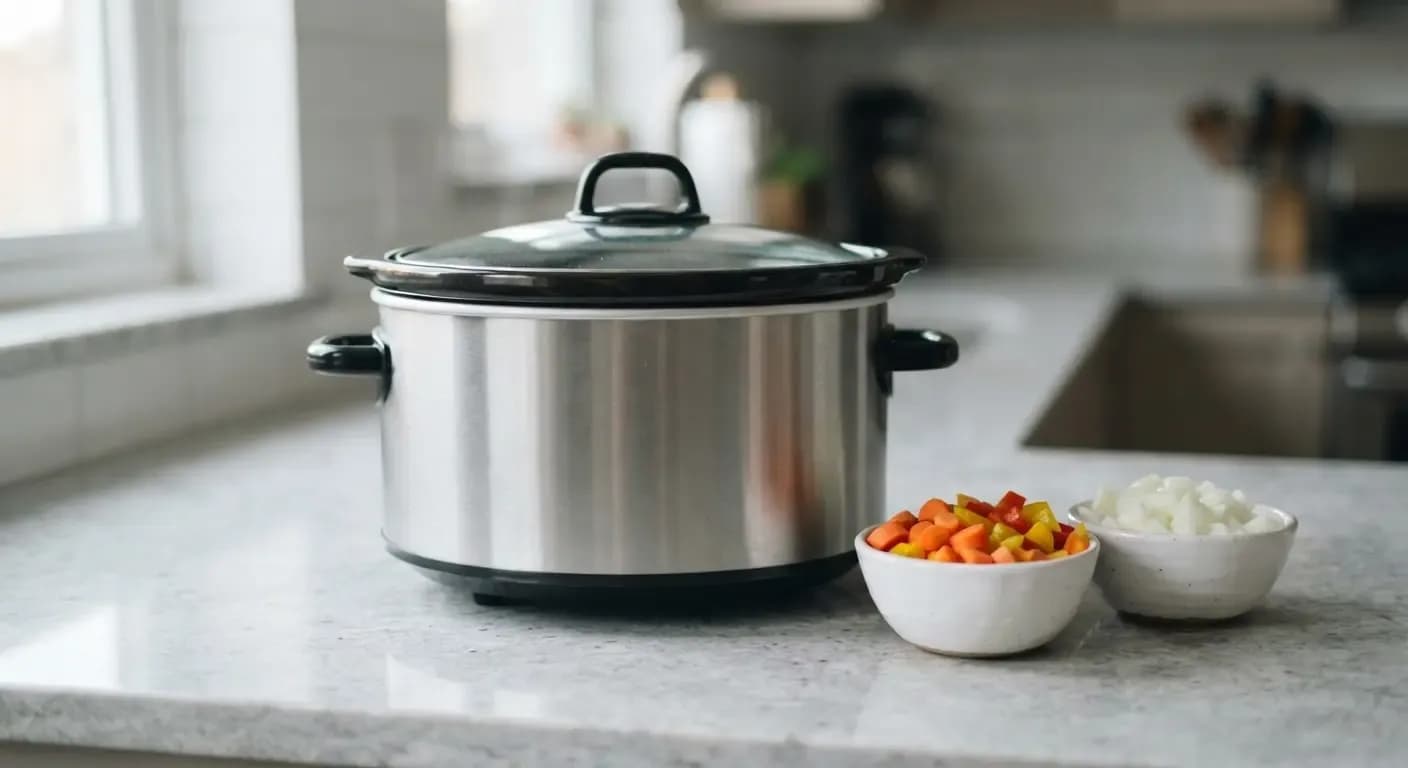
Is it just me, or does 5 PM hit like a brick wall some days? You're tired, the kids (or your dog, or just your own hungry stomach) are getting antsy, and the thought of cooking a healthy meal from scratch feels... impossible. So you grab takeout again. What if you could come home to a delicious, healthy dinner that was already waiting for you? That's not a dream, that's the magic of a slow cooker.
"Imagine having a secret weapon in your kitchen that saves you time, reduces stress, and makes healthy eating the easiest choice you'll make all day. That's what this guide is all about."
Why Your Slow Cooker is Your Secret Weapon for Healthy Eating
We've all been there. A busy week means less time and energy, and often, our good intentions for healthy eating fly out the window. The struggle is real. The main pain points for so many of us are time pressure and just being tired of making decisions after a long day. According to the American Time Use Survey, people who cook spend an average of 62 minutes a day doing it. That's an hour you could be spending on something else!
This is where your slow cooker becomes your best friend. It’s the ultimate 'set it and forget it' tool. You can throw ingredients in before you leave for work, and come home to a perfectly cooked meal. This guide will show you how to master the art of healthy slow cooking. It's more than recipes; it's about learning the simple principles to create amazing meals every time.
This article may contain affiliate links. If you purchase a product through one of them, I will receive a commission (at no additional cost to you).
And hey, making dinner easier is a great way to lower daily stress. If you're looking for more ways to support your well-being, products like NuviaLab Relax are designed with natural ingredients to help you maintain a good mood and emotional balance.
Can Slow Cooker Meals Actually Be Healthy? Busting the Myths
Slow cookers sometimes get a bad rap. People think they're only for heavy, old-fashioned stews. Let's clear up a few of those myths right now.
- Myth 1: 'Slow cooking destroys all the nutrients.' Actually, the opposite can be true. Because slow cookers use low, gentle heat, they can be better at preserving certain heat-sensitive vitamins compared to high-heat methods like boiling or frying. Studies have shown that methods using tons of water, like boiling, can cause nutrients to leach out. Slow cooking keeps all that goodness right in the pot.
- Myth 2: 'The food always turns out mushy and bland.' This only happens when you do it wrong! The secret is timing. You add sturdy root vegetables like carrots and potatoes at the beginning, but delicate veggies like spinach or peas go in at the very end. As for flavor? We'll get to that, but it's all about building layers with herbs, spices, and aromatics.
- Myth 3: 'It’s only for heavy, high-calorie food.' Not at all! A slow cooker is incredibly versatile. You can make light brothy soups, lean proteins like salsa chicken, and a ton of vegetarian and vegan dishes like lentil curries. As one registered dietitian, Amy Keating, said, "Slow cookers aren’t just for beef brisket... Using one makes it easier to add healthy foods that take a while to cook, such as whole grains and lentils, to your meals."
The 4 Pillars of a Perfectly Healthy Slow Cooker Meal
Creating healthy one pot meals is easy when you follow a simple formula. Think of it like building a bowl. Just pick one or two things from each category, and you're good to go.
- Start with Lean Protein: Slow cooking is amazing for making lean proteins tender and juicy. They don't dry out like they can in an oven. Great choices include chicken breast, turkey, lean cuts of beef, pork loin, lentils, and beans.
- Pack in the Vegetables: This is where you can load up on nutrients. For the best texture, remember the timing rule. Add these at the start: carrots, potatoes, sweet potatoes, onions, and other root vegetables. Add these near the end (last 20-30 minutes): leafy greens like spinach or kale, zucchini, peas, bell peppers, and broccoli.
- Choose Smart Carbs: For long-lasting energy and fiber, skip the white pasta and go for whole-food carbohydrates. Good options are quinoa, brown rice, sweet potatoes, and whole grains like farro or barley.
- Build Flavor, Not Fat: This is the secret to avoiding bland food. You don't need a lot of oil or butter. Instead, build flavor with low-sodium broth, tons of garlic and onions, and a variety of herbs and spices. Think thyme, rosemary, cumin, paprika, and chili powder. A little trick? Add a splash of something acidic, like lemon juice or vinegar, right before serving. It really brightens up all the flavors.
Beyond Stew: Types of Healthy Meals You Can Create
Ready to move past basic beef stew? Your slow cooker can make so many different types of healthy crock pot recipes. Here are a few ideas to get you started.
- Hearty Soups & Chilis: These are perfect for batch cooking. You can make a huge pot on Sunday and have lunches for the whole week. Think of a turkey and black bean chili or a vegetable lentil soup.
- Tender Pulled Meats: This is one of the best things to make in a slow cooker. Just add a protein (like chicken or pork) and a liquid (like salsa or a healthy BBQ sauce) and let it cook until it shreds easily with a fork. It’s perfect for healthy tacos, salads, or bowls.
- Flavorful Curries & Global Dishes: You can explore world cuisines right from your countertop. A chickpea and spinach curry is a fantastic vegetarian option, or try a Moroccan-style chicken tagine with apricots and almonds.
- Unexpected Dishes: Did you know you can make breakfast in your slow cooker? Steel-cut oats cook overnight into a creamy porridge. You can even make healthy desserts like baked apples with cinnamon.
Mastering these dishes can seriously cut down on nightly dinner stress. And if you're looking for more ways to support your overall calm and well-being during a busy week, you can see what ingredients are used in supplements designed for relaxation.
Pro Tips for Slow Cooker Success (and What to Avoid)
To get perfect results every time, there are a few simple rules to follow. Here are the most important dos and don'ts that seasoned slow cooker users swear by.
Do This... — Don't Do This...
Sear your meat first. It's an optional step, but browning meat in a pan before adding it to the slow cooker creates a much deeper, richer flavor. — Overfill the cooker. For even cooking, your slow cooker should only be about 1/2 to 2/3 full. Too much, and it might not cook through; too little, and it might burn.
Thicken your sauce at the end. If your meal looks too watery, mix a tablespoon of cornstarch with a little cold water to make a slurry. Stir it in and cook on high for the last 15-30 minutes. — Peek while it's cooking! Every time you lift the lid, you release heat and can add 15-20 minutes to the total cooking time. Trust the process and resist the urge to peek.
Add dairy and fresh herbs last. Cream, milk, and cheese can curdle if cooked too long. Fresh herbs lose their bright flavor. Stir them in right before serving. — Put frozen food directly in. We'll cover this more in the FAQ, but it's a food safety risk. Always thaw meat first.
Frequently Asked Questions (FAQ)
Is it safe to leave a slow cooker on all day while I'm at work?
Yes, absolutely. That's what they are designed for! Just be sure to follow your specific model's manufacturer instructions. Place it on a stable, heat-safe surface away from anything flammable.
Can I put frozen meat in the slow cooker?
It's not recommended. The USDA advises against this because the frozen meat can spend too long thawing in the temperature 'danger zone' (between 40°F and 140°F), where bacteria can grow rapidly. It's always safest to thaw your meat in the refrigerator first.
Should vegetables or meat go on the bottom?
Root vegetables that take longer to cook, like potatoes and carrots, should go on the bottom and sides of the slow cooker insert. They'll be closer to the heating element and will cook through perfectly. The meat can then be placed on top of them.
Your Next Step to Effortless, Healthy Dinners
See? The slow cooker is such a powerful tool for making healthy eating simple, even on the busiest days. It's not about complicated recipes or sacrificing flavor. It's about using a simple technique to your advantage.
Just remember the four pillars: lean protein, lots of vegetables, smart carbs, and building flavor without fat. Start with one of the meal types we talked about, like a simple chili or some salsa chicken. You'll be amazed at how easy and delicious it can be. Taking control of dinner is a fantastic way to reduce daily stress. And if you're looking for more support in finding your calm, you can always learn more about supplements like NuviaLab Relax designed to help with emotional balance.