Soluble vs Insoluble Fiber: The Ultimate Guide to Gut Health
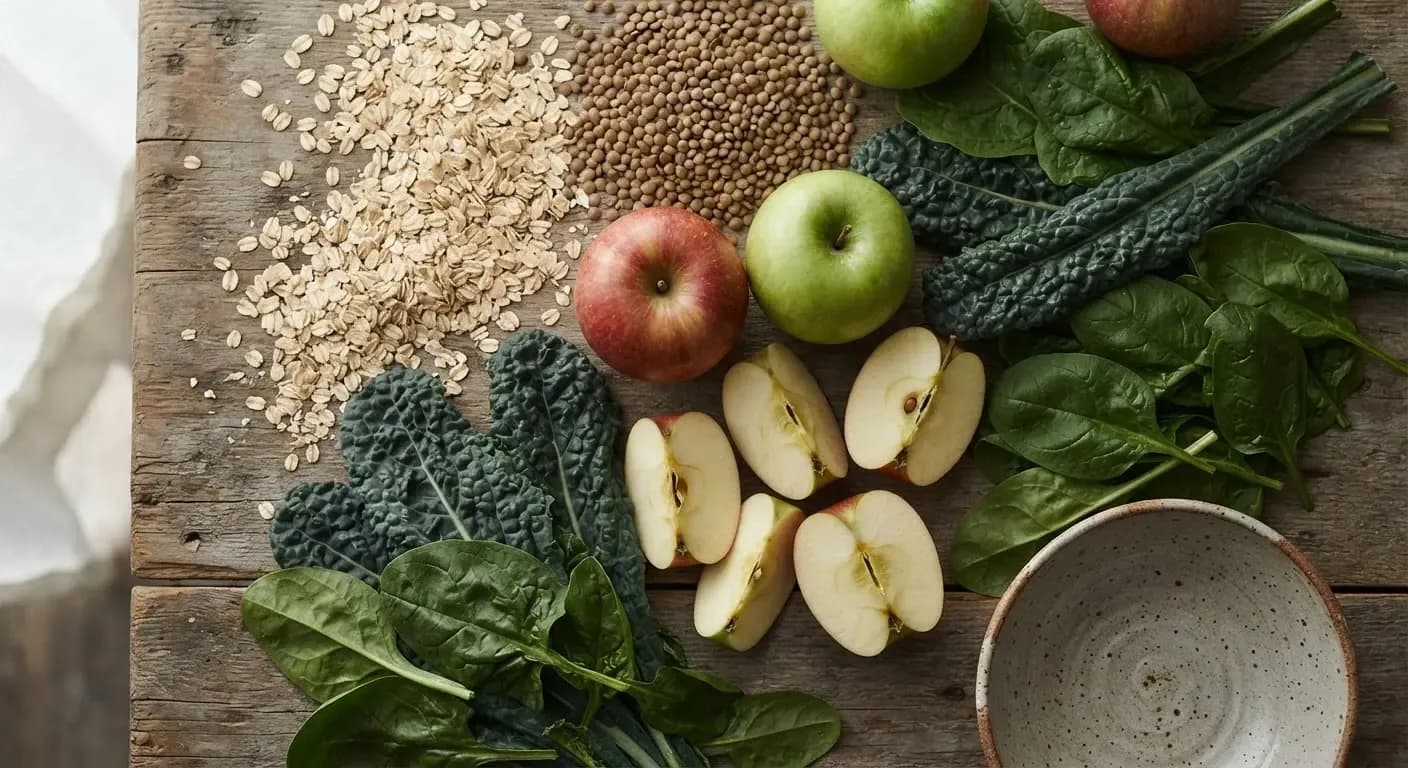
Ever feel like you're trying to eat healthy, but your stomach just isn't cooperating? You hear everyone talking about 'getting more fiber,' but it feels like a confusing puzzle. If you've ever wondered what the deal is with soluble vs insoluble fiber, you are definitely not alone. It turns out, the *type* of fiber you eat is just as important as how much you get.
"Figuring out fiber is simpler than you think. It's not about eating more; it's about eating smarter for your gut."
Understanding the Two Pillars of a Healthy Gut: Soluble and Insoluble Fiber
Let's be real, digestive discomfort is no fun. Whether it's bloating, irregularity, or just a general feeling of being 'off,' it can mess with your whole day. Many of us turn to healthy eating for answers, but the advice can be overwhelming. That's where fiber comes in. It's a critical nutrient, but most people don't know that there are two main types that do very different jobs in your body.
This guide will clear up all the confusion. We'll break down exactly what soluble and insoluble fibers are, what they do, and which foods have them. Getting your gut health on track with the right fiber is a huge step for your physical well-being. And since our gut and brain are so connected, improving digestion can even have a positive impact on our mood.
This article may contain affiliate links. If you make a purchase, we may earn a commission at no extra cost to you.
While food is your foundation, supporting your overall emotional balance is also key to feeling your best. Some people find that a natural supplement helps with maintaining a good mood. If that sounds interesting, you can see the details on a formula designed for relaxation.
What is Soluble Fiber? The Gel-Forming Gut Protector
Okay, let's start with soluble fiber. The name gives you a clue: it dissolves in water. When you eat it, it forms a thick, gel-like substance in your digestive tract. Think about what happens when you add water to oatmeal or chia seeds—that's soluble fiber at work!
This gel does a few amazing things for your body. First, it slows down digestion. This might sound bad, but it's actually great because it helps you feel full longer and prevents sharp spikes in your blood sugar. According to studies, it also plays a role in heart health. The gel can bind to cholesterol particles and help escort them out of your body, which can help lower 'bad' LDL cholesterol levels. Plus, it's a favorite food for the good bacteria in your gut!
You can find soluble fiber in lots of delicious foods:
- Oats and Barley: Your morning oatmeal is a powerhouse of soluble fiber.
- Legumes: Think beans, lentils, and peas.
- Nuts and Seeds: Especially flaxseeds and chia seeds.
- Some Fruits: Apples, pears, and citrus fruits are good sources.
- Some Vegetables: Carrots and Brussels sprouts contain soluble fiber.
What is Insoluble Fiber? The Digestive 'Scrubber'
Now for the other half of the team: insoluble fiber. As you might guess, this type does *not* dissolve in water. Instead of forming a gel, it passes through your digestive system mostly intact. Its main job is to add bulk to your stool.
Think of insoluble fiber as a 'scrubber' or a 'bulking agent' for your digestive tract. It helps move everything along, promoting regularity and helping to prevent constipation. If you're looking to keep your system running like clockwork, insoluble fiber is your best friend. It essentially helps sweep things out, which is why it's so important for daily comfort and gut health.
Here are some of the best places to get it:
- Whole Grains: Things like wheat bran, brown rice, and whole-wheat bread are packed with it.
- Nuts and Seeds: Almonds, walnuts, and sunflower seeds are great choices.
- Vegetables: Cauliflower, green beans, and potatoes (with the skin on!) are excellent sources.
- Legumes: Beans show up here again, as many foods contain both types of fiber!
Soluble vs. Insoluble Fiber at a Glance: A Comparison Table
Sometimes a simple chart makes everything clearer. Here’s a quick breakdown of the key differences between these two types of fiber.
Property — Soluble Fiber — Insoluble Fiber
Action in Water — Dissolves to form a gel — Does not dissolve, adds bulk
Main Function — Slows digestion, helps control blood sugar and cholesterol — Promotes regularity and prevents constipation
Health Benefits — Lowers cholesterol, stabilizes blood sugar, feeds gut bacteria — Supports regular bowel movements, adds bulk to stool
Best Food Sources — Oats, beans, apples, carrots, flax seeds — Whole wheat, brown rice, nuts, cauliflower, green beans
The Health Benefits of a High-Fiber Diet: What's Right for You?
So, we know what they are, but how can they help you reach your health goals? Let’s look at some common goals and see which fiber takes the lead.
For Digestive Health & Regularity
This one is a team effort. Insoluble fiber is the star for preventing constipation because it adds that necessary bulk. However, the gel from soluble fiber can help soften stool, making it useful for both constipation and diarrhea by helping to normalize things.
For Heart Health & Cholesterol
Soluble fiber is the winner here. The FDA has even authorized a health claim for soluble fibers from sources like psyllium and oats, stating they may reduce the risk of heart disease. It works by binding to cholesterol and helping your body get rid of it.
For Blood Sugar Control
Again, soluble fiber takes the prize. By slowing down how quickly your stomach empties, it also slows the absorption of sugar into your bloodstream. This helps prevent those dramatic spikes and crashes you might feel after a meal.
For Weight Management
Both fibers are fantastic for weight management. They help you feel full and satisfied, which can lead to eating less overall. The gel-forming action of soluble fiber is especially good at creating a lasting feeling of fullness.
Did You Know? There's another player called resistant starch. Found in foods like green bananas and cooked-then-cooled potatoes or rice, it acts a lot like soluble fiber and is another great tool for gut health!
How to Increase Your Fiber Intake: Practical Tips and Food Lists
Ready to add more fiber to your diet? Awesome! The key is to do it slowly and drink plenty of water to give your system time to adjust. Going from zero to hero overnight can lead to gas and bloating.
Here are some simple, practical tips to get started:
- Start your day with oats: A bowl of oatmeal is an easy and delicious way to get a solid dose of soluble fiber.
- Swap your grains: Choose whole-wheat bread and pasta over white, and brown rice instead of white rice.
- Add beans to everything: Toss them in salads, soups, and stews. They're an inexpensive source of both fiber types.
- Snack smarter: Reach for a handful of nuts, an apple, or some carrots with hummus instead of processed snacks.
- Don't peel your produce: The skins of apples, potatoes, and cucumbers are full of insoluble fiber.
When Diet Isn't Enough: How to Choose the Right Supplement
Let's be honest, even with the best intentions, our diets aren't always perfect. A busy lifestyle, dietary restrictions, or specific health goals can make it tough to get everything you need from food alone. This is where a supplement can be a helpful tool. When choosing any supplement, it's smart to look for high-quality ingredients, transparency from the brand, and formulas that target your specific needs with minimal fluff like sugars or artificial additives.
While you're working on your fiber intake for gut health, it's also a great time to think about overall wellness. The connection between the gut and the brain is incredibly strong—they're constantly talking to each other. Supporting your mental and emotional balance is just as important as supporting your digestion. A calm mind can lead to a calmer gut, and vice versa.
For this reason, many people add a supplement designed for mood support to their routine. Our recommendation for this is NuviaLab Relax. It's a food supplement with a carefully developed formula to help you relax and maintain a good mood. It uses 10 natural ingredients with synergistic effects to induce a feeling of calmness, support cognitive abilities, and even improve sleep quality. It's an excellent way to support your well-being holistically.
Learn More About NuviaLab Relax
Frequently Asked Questions (FAQ)
Can you eat too much fiber?
Yes, you can. Ramping up your intake too quickly can cause uncomfortable side effects like gas, bloating, and cramps. It's best to increase your fiber intake gradually over a few weeks and be sure to drink lots of water.
Does fiber cause gas and bloating?
It can, especially certain types of soluble fiber that are fermented by your gut bacteria. This is a normal process, but it can be uncomfortable. To minimize it, introduce high-fiber foods slowly and let your body adjust.
What's the difference between dietary fiber and functional fiber?
Dietary fiber is the kind you get naturally from plants. Functional fiber is isolated fiber that's added to foods or supplements for its health benefits. Both are important!
Is resistant starch a type of fiber?
Yes, it functions very similarly to soluble fiber. Your body can't digest it, so it travels to your large intestine where it feeds your good gut bacteria.
The Takeaway: Balance is Key for Optimal Health
So, there you have it. Soluble and insoluble fiber are both crucial, but they do different jobs. One isn't better than the other; a healthy diet needs a good balance of both to support digestion, heart health, and more. Making small changes, like swapping your bread or adding beans to a meal, can have a huge impact over time.
As you work on your diet, remember that feeling good is about the whole picture. For support in maintaining emotional balance and a good mood, a supplement like NuviaLab Relax is worth looking into. It’s all about creating a lifestyle that helps you feel your best, inside and out.