What Is Insomnia? A Complete Guide to Causes & Solutions
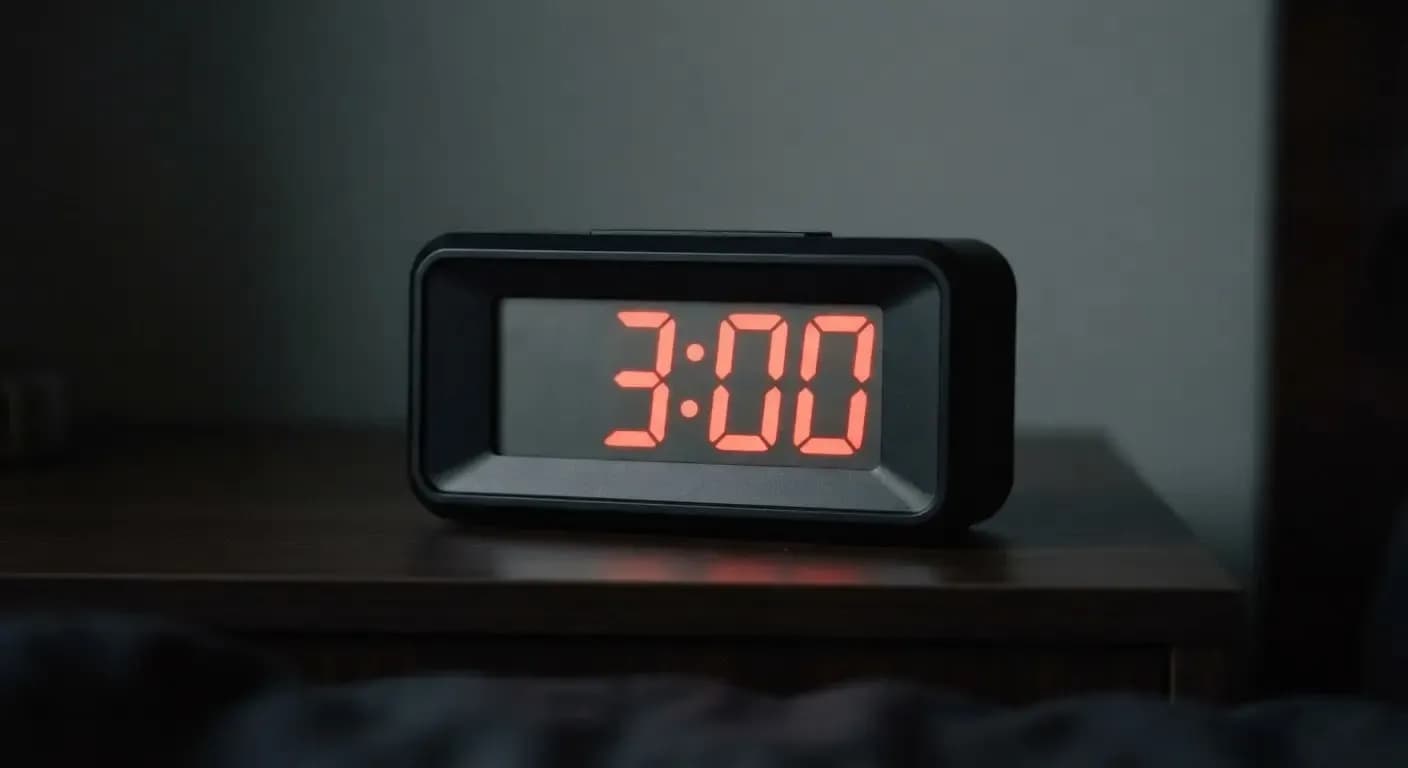
Is there anything more frustrating than lying in bed, wide awake, while the whole world seems to be asleep? You watch the numbers on the clock climb higher and higher, counting sheep until you’ve run out. You're not alone, and understanding the 'why' behind your sleepless nights is the very first step toward getting your rest back.
"Tired of staring at the clock? This guide goes beyond the simple definition of insomnia to explore its hidden causes, symptoms, and the practical solutions that can help you finally get a good night's sleep."
The Different Faces of Insomnia: Is It Acute or Chronic?
Insomnia isn't a one-size-fits-all problem. It shows up in different ways and for different lengths of time. Understanding which type you might be dealing with can help you find the right path forward. Generally, it falls into two main categories.
- Acute Insomnia: This is short-term and usually tied to a specific life event. Think about a stressful week at work, jet lag from a trip, or being sick with a cold. It typically lasts for a few days or weeks and resolves once the trigger is gone.
- Chronic Insomnia: This is a more long-term issue. If you have trouble sleeping at least three nights a week for three months or longer, it's considered chronic. This type is often linked to underlying habits, psychological conditions, or other medical issues.
Sometimes, experts also talk about Primary vs. Secondary insomnia. Primary insomnia means the sleep problem is the main issue, not a symptom of something else. Secondary insomnia, on the other hand, means your sleeplessness is caused by another problem, like chronic pain, depression, or even certain medications.
Recognizing the Signs: Common Insomnia Symptoms
How do you know if you have insomnia or if you just had a bad night's sleep? It’s less about one rough night and more about a persistent pattern. The signs show up both at night and during the day.
Common nighttime symptoms include:
- Difficulty falling asleep: You might lie in bed for what feels like forever before you finally drift off. This is often called sleep-onset insomnia. If you frequently can't fall asleep, it can be a major source of anxiety.
- Waking up frequently: You might fall asleep easily but then wake up multiple times throughout the night, struggling to get back to sleep each time. This is known as sleep-maintenance insomnia.
- Waking up too early: Another common sign is waking up long before your alarm and being unable to fall back asleep, leaving you feeling short-changed on rest.
But the problem doesn't stop when the sun comes up. The daytime consequences are often what really impact your life:
- Fatigue and low energy: This goes beyond feeling a little tired. It's a deep exhaustion that coffee can't seem to fix.
- Irritability and mood swings: Lack of sleep can make you feel on edge, impatient, and emotionally volatile.
- Difficulty concentrating or remembering things: You might find it hard to focus at work or school, make more mistakes, and struggle with your memory.
Insomnia isn't just about being tired; it's about how that lack of sleep affects your ability to function and feel good during the day.
What Causes Insomnia? Uncovering the Root of Sleepless Nights
Sleepless nights rarely happen for no reason. There's almost always an underlying cause, or sometimes several, working together. Let's break down the most common culprits behind the causes of insomnia.
Lifestyle & Environmental Causes
Sometimes, our daily habits are the biggest offenders. This is often related to what experts call sleep hygiene. Things like drinking caffeine or alcohol too close to bedtime, looking at your phone or TV screen late at night, or having an irregular sleep schedule can all throw your body's internal clock out of whack.
Psychological Causes
Your mind plays a huge role in your ability to sleep. Stress is a major factor. When you're worried about work, finances, or family, your body stays in a state of high alert, making it difficult to relax and fall asleep. Anxiety and depression are also closely linked to chronic insomnia, creating a frustrating cycle where lack of sleep worsens your mood, and a low mood makes it harder to sleep.
Physical & Medical Causes
Various physical issues can also lead to sleepless nights. Chronic pain from conditions like arthritis or back problems can make it impossible to get comfortable. Hormonal shifts, especially during menopause, can cause hot flashes and other symptoms that disrupt sleep. Other medical conditions, like sleep apnea or restless legs syndrome, are also common causes of insomnia. Even some medications can have sleeplessness as a side effect.
How to Get Better Sleep: Actionable Strategies & Natural Aids
Okay, so you understand what insomnia is and what might be causing it. Now for the important part: how to fix insomnia. The best approach often involves a combination of strategies to calm your mind and prepare your body for rest.
Build Better Sleep Habits
This is the foundation of getting better sleep. It involves creating a consistent and relaxing routine. Try to go to bed and wake up at the same time every day, even on weekends. Make sure your bedroom is a sanctuary for sleep—cool, dark, and quiet. Avoid big meals, caffeine, and alcohol in the hours leading up to bedtime.
Use Relaxation Techniques
If your mind races the moment your head hits the pillow, you need tools to quiet the noise. One simple technique is stimulus control, which means you only use your bed for sleep and intimacy. If you're not asleep after 20 minutes, get up and do something relaxing in another room until you feel sleepy. Simple breathing exercises, like the 4-7-8 method (inhale for 4, hold for 7, exhale for 8), can also calm your nervous system.
Consider Natural Support
Even with the best habits, your body sometimes needs a little extra help to break the cycle of sleeplessness. This is where targeted natural aids can be incredibly useful. While lifestyle changes are key, a gentle supplement can help reset your internal clock. Products like NuviaLab Relax are designed with natural ingredients that support relaxation and emotional balance, helping to create a sense of calmness that makes it easier to drift off. It's formulated to help you get the restorative sleep you need without feeling groggy the next day.
Frequently Asked Questions (FAQ)
Can insomnia be cured?
While some cases of acute insomnia go away on their own, chronic insomnia is often better described as 'managed' rather than 'cured.' The goal is to use lifestyle changes, behavioral techniques, and sometimes supplements to control the symptoms and achieve consistent, quality sleep.
Is insomnia genetic?
There can be a genetic component. Some people may be naturally predisposed to being lighter sleepers or more vulnerable to stress-related sleep disturbances. However, lifestyle and environmental factors play a much larger role for most people.
Are prescription sleeping pills a good idea?
Prescription medications can be helpful for short-term crises, like after a traumatic event. However, they don't address the root cause of chronic insomnia and can come with risks and side effects. Most experts recommend lifestyle changes and cognitive behavioral therapy for insomnia (CBT-I) as the first-line treatment.
How is this different from just feeling tired?
Everyone feels tired now and then. Insomnia is different because of its persistence (happening multiple times a week), duration (lasting for weeks, months, or longer), and the significant negative impact it has on your daytime functioning, mood, and overall quality of life.
Your Path Forward to Restful Nights
Insomnia can feel overwhelming, but it is a manageable condition. The most effective approach is a proactive one that combines building better sleep habits, using relaxation techniques to calm your mind, and finding the right support to help your body re-learn how to rest. This is the start of your journey back to better health and well-being, all through the power of restorative sleep.
Ready to stop counting sheep and start sleeping? Taking control of your routine is step one. For a powerful boost to your new habits, we recommend trying NuviaLab Relax. It's designed with 10 natural ingredients to help you relax and get the restorative sleep you deserve. Check Availability & Learn More
P.S. Curious about specific ingredients in sleep aids? Learn more about melatonin for sleep and its effects.