The Ultimate Guide to Zinc-Rich Foods for Optimal Health
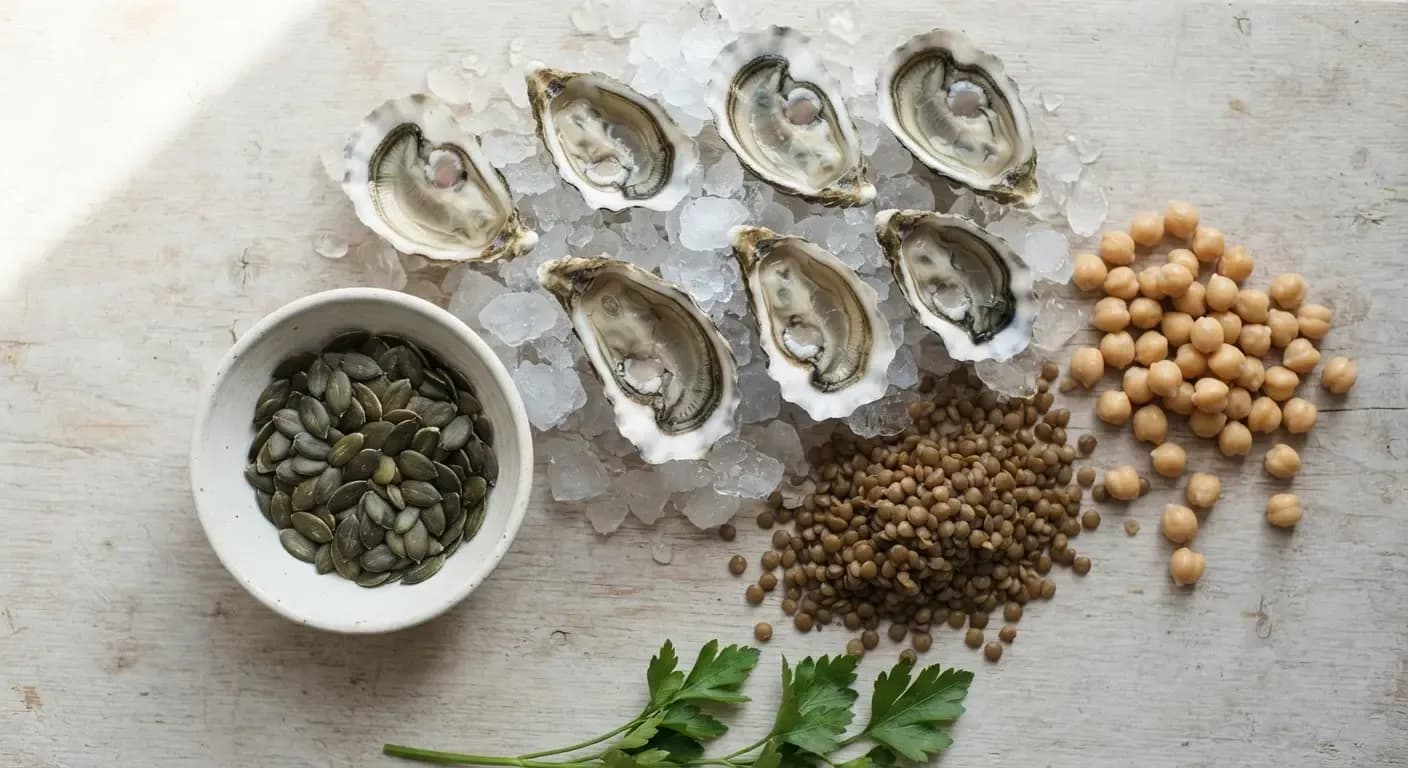
Feeling a little run-down lately? Maybe you're catching every sniffle that goes around, or your skin just isn't cooperating. It's easy to blame it on stress or lack of sleep, but there might be an unsung hero missing from your diet: zinc.
This guide will walk you through everything zinc-related, from powerhouse foods to the signs you might need more. Getting nutrients from your diet is always best, but a holistic view of health also includes managing stress and finding balance. Quality supplements can play a role in overall wellness.
This article contains affiliate links. If you purchase a product through one of them, we may receive a commission.
For example, while we focus on zinc today, products aimed at relaxation like NuviaLab Relax are part of that bigger picture of feeling good. Now, let's dive into zinc!
"Think of zinc as the spark plug for hundreds of reactions in your body. Without it, the engine just can't run at full power."
What is Zinc and Why is it Essential for Your Health?
So, what's all the fuss about zinc? It's a crucial micronutrient, which means your body needs it in small amounts to function properly. And when I say function, I mean it's involved in over 300 different enzyme reactions. That's a lot of work for one little mineral!
Here are some of its most important jobs:
- Supporting your immune system: Zinc is a key player in the production and function of immune cells like T-cells. Enough zinc can mean fewer sick days and a stronger defense against germs.
- Promoting healing and growth: Ever wonder how a cut heals? Zinc is working behind the scenes to help grow new cells and repair tissues. It's also vital for healthy skin, hair, and nails.
- Acting as an antioxidant: It helps protect your cells from damage caused by oxidative stress, which can contribute to inflammation and aging.
- Maintaining your senses: Your ability to taste and smell properly relies on having adequate zinc levels.
When you have enough zinc, you feel it. Your energy is better, your skin is clearer, and you're not constantly fighting off a cold. It’s a small but mighty part of your overall health puzzle.
The Top Zinc-Rich Foods to Add to Your Diet
The best way to get your zinc is through food. Luckily, it's found in a bunch of delicious and common foods. We can break them down into a few main categories.
Animal-Based Sources
Generally, zinc from animal sources is more easily absorbed by the body. Oysters are the undisputed champion of zinc, but beef and crab are also fantastic sources.
Plant-Based Sources
If you're following a vegetarian or vegan diet, don't worry! There are plenty of plant-based zinc sources. Legumes like lentils and chickpeas, along with seeds like pumpkin and hemp seeds, are great choices. You just have to be a little more mindful about how you prepare them, which we'll get to in a minute.
Food — Category — Zinc per Serving (Approx.)
Oysters (raw) — Animal — 37.9 mg per 100g
Beef (chuck roast) — Animal — Around 7 mg per 3 ounces
Crab — Animal — Varies by type
Pumpkin Seeds — Plant — Varies
Lentils — Plant — Varies
Chickpeas — Plant — Varies
Hemp Seeds — Plant — Varies
Remember, these are just a few examples. Many other foods, including fortified cereals and dairy products, also contain zinc.
How to Maximize Zinc Absorption from Your Food
Ever heard of bioavailability? It's just a fancy word for how much of a nutrient your body can actually absorb and use. With zinc, this is super important, especially if you rely on plant-based sources.
Plant-based foods like grains, seeds, and legumes contain compounds called phytates, which can bind to zinc and prevent it from being absorbed. But here’s the good news: you can easily get around this with a few simple kitchen tricks.
- Soak or sprout them: Soaking beans, grains, and seeds overnight before cooking can significantly reduce their phytate content. Sprouting them is even better!
- Try fermenting: Foods like sourdough bread or tempeh have already gone through a fermentation process that breaks down phytates, making the zinc more available.
- Pair them with protein: Eating your zinc-rich plant foods with a source of protein can help improve absorption.
- Add some acid: Pairing plant sources of zinc with acidic ingredients like lemon juice or vinegar can also enhance absorption. Think hummus with a big squeeze of lemon!
Are You Getting Enough Zinc? 7 Signs of Deficiency
Zinc deficiency is more common than you might think, with some estimates suggesting around 15-17% of the global population has an inadequate intake. Because the signs can be subtle, they often get overlooked. Here are a few things to watch out for:
- Getting sick often: If you feel like you're constantly catching colds, it could be a sign your immune system isn't getting the zinc it needs.
- Slow-healing wounds: Scrapes and cuts that seem to take forever to heal can point to a zinc shortage.
- Skin issues: Unexplained rashes, acne, or dry skin can sometimes be linked to low zinc levels.
- Hair loss: While many things can cause hair thinning, a zinc deficiency is a potential culprit.
- Changes in taste or smell: If food starts tasting bland or you lose your sense of smell, it's worth considering zinc.
- Loss of appetite: A sudden drop in your appetite can also be a symptom.
- Brittle nails: White spots or nails that break easily can be a sign.
Certain groups are more at risk, including vegetarians and vegans, pregnant women, and older adults. This isn't about diagnosing yourself, but rather about being aware of your body's signals.
When to Consider a Supplement
For some people, especially those in the at-risk groups or anyone with a busy lifestyle, getting enough zinc from food alone can be a challenge. That's when a supplement might be a smart choice. When looking for a zinc supplement, it’s a good idea to seek out highly bioavailable forms, like zinc picolinate or glycinate, which your body can absorb more easily.
Of course, a holistic approach to health goes beyond a single mineral. Supporting your mental and emotional well-being is just as crucial for feeling your best. If you're looking to maintain a good mood and find a sense of calm, a supplement designed for relaxation can be a great addition to your routine.
NuviaLab Relax is a great example. It's formulated with 10 natural ingredients that have a synergistic effect to support emotional balance and help you unwind. You can check out the details here and see how it works to support a good mood and better sleep quality.
Frequently Asked Questions (FAQ)
How much zinc is too much?
More isn't always better. The tolerable upper intake level (UL) for adults is 40 mg per day from all sources (food and supplements), according to the National Institutes of Health. Taking too much zinc for a long time can interfere with the absorption of other minerals, like copper.
Can I get enough zinc on a vegan diet?
Yes, absolutely! It just requires a bit more planning. You'll want to focus on zinc-rich plant foods like lentils, chickpeas, tofu, and pumpkin seeds, and use the absorption techniques we talked about, such as soaking, sprouting, and fermentation.
Does zinc really shorten the common cold?
The research is mixed but promising. A 2024 Cochrane review found that taking zinc may shorten a cold by about two days, though the evidence was considered low-certainty. It seems it doesn't prevent colds but might help you get over one faster.
What's the best time of day to take a zinc supplement?
It's generally best to take zinc with a meal. Taking it on an empty stomach can sometimes cause nausea or an upset stomach for some people.
Conclusion: Your Action Plan for Optimal Zinc Intake
So there you have it! Zinc is a vital mineral that plays a huge role in keeping you healthy, from your immune system to your skin. The best approach is always food-first, focusing on powerhouses like oysters, beef, seeds, and legumes.
Take a look at your own diet and see if you can make one or two small changes. And if you feel you need extra support for your overall well-being, exploring a quality supplement designed for relaxation and emotional balance might be a great next step. Here's that link again for the one I mentioned.