A Practical Guide to a Balanced Diet & Healthy Eating
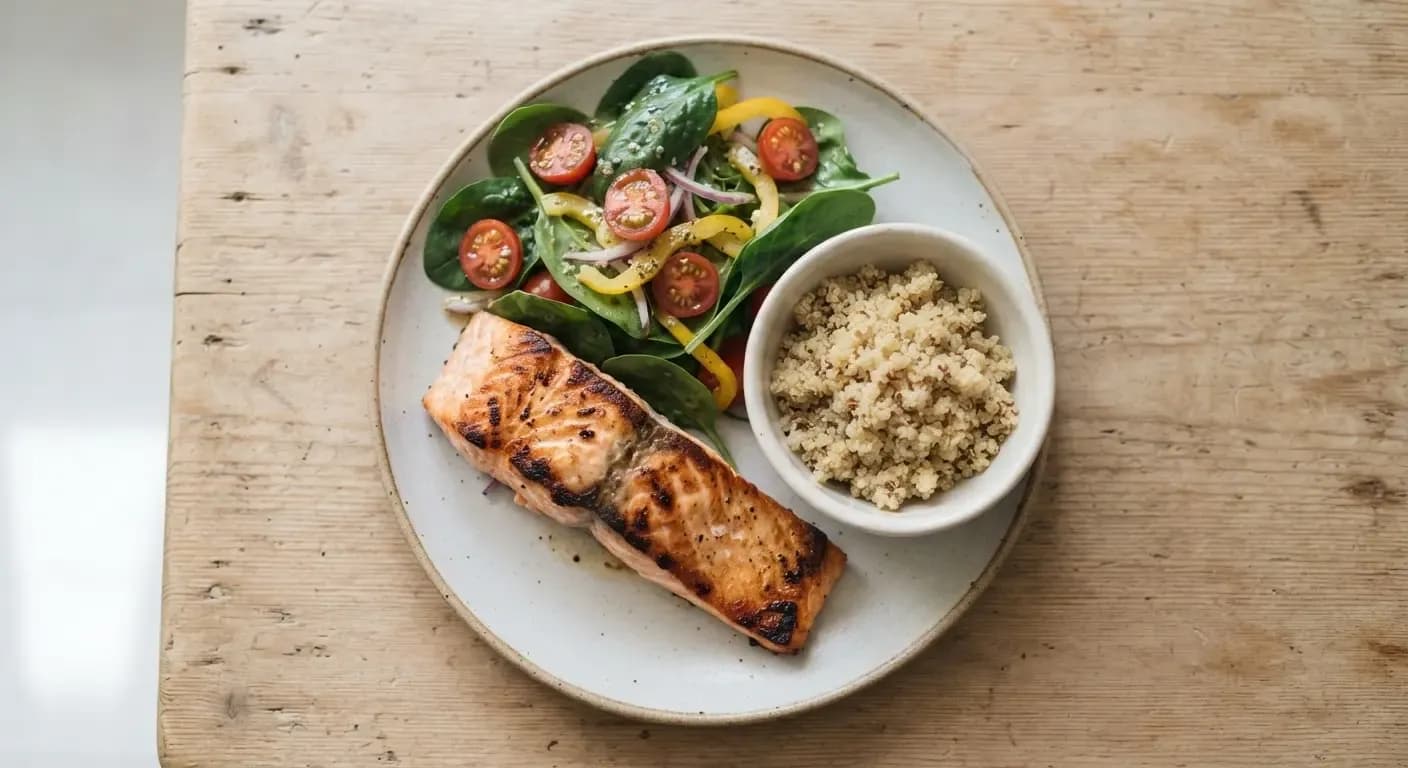
Are you tired of confusing diet advice? It feels like one day everyone is cutting carbs, and the next they're avoiding all fats. The truth is, most of these strict fads don't work in the long run. The real secret to feeling great isn't about restriction; it's about balance.
"The secret to long-term health isn't about restriction, but balance. It's time to cut through the noise and build a way of eating that actually lasts."
Why a Balanced Diet is Your Key to Sustainable Health
Let's be honest, trying to follow complicated diet rules is frustrating. That's why it's better to think of healthy eating as a lifestyle, not a temporary fix. When you focus on a balanced diet, you give your body the fuel it needs to thrive. The benefits are huge: more energy throughout the day, a stronger immune system, and even a better mood. A good diet gives your mind and body a solid foundation for emotional balance.
This guide is here to give you a simple, clear plan for understanding what a balanced diet really is and how to make it a part of your life. It’s about creating sustainable habits that make you feel good. For those who want a structured path to apply these principles, a guided program can be a game-changer. You can see a recommended healthy eating plan here.
The 4 Pillars of Healthy Eating: Beyond Calories
Forget counting every single calorie. A truly healthy diet is built on four simple principles. Understanding these will help you make better food choices without the stress.
- Adequacy: This just means getting enough of the essential nutrients your body needs to function. Think of it as making sure your car has enough oil, water, and fuel.
- Balance: This is about getting the right proportions. You wouldn't fill your car with only oil, right? Your body is the same; it needs a mix of different food types to work correctly.
- Moderation: You can have treats! Moderation means not overdoing it on the less healthy stuff, like sugar and processed foods. It's about finding a happy medium, not complete restriction.
- Variety: Eating a wide range of foods is key. This ensures you get all the different vitamins and minerals your body needs. Plus, it keeps your meals from getting boring!
To achieve this balance, it helps to know about macronutrients—the main energy sources in your food. These are protein (the body's building blocks), carbohydrates (the primary fuel), and fats (essential for brain health and hormone production). The goal is to choose high-quality sources, like complex carbs from whole grains instead of simple carbs from sugar. A varied diet also provides essential micronutrients, like vitamins and minerals, which are crucial for everything from your immune system to your energy levels.
The Building Blocks: A Guide to Healthy Food Groups
To put the four pillars into practice, let's look at the main food groups that should be on your plate. Focusing on these building blocks is the essence of a balanced diet.
Lean Proteins
Protein helps build and repair tissues, makes you feel full, and supports muscle health.
- Best Choices: Chicken breast, fish (like salmon and tuna), eggs, beans, lentils, tofu, and Greek yogurt.
- Limit or Avoid: Processed meats (like bacon and sausage), fried meats, and fatty cuts of red meat.
Complex Carbs & Fiber
These are your body's main energy source. Complex carbs release energy slowly, keeping you full and energized for longer.
- Best Choices: Oats, quinoa, brown rice, whole-wheat bread, sweet potatoes, and chickpeas.
- Limit or Avoid: White bread, sugary cereals, pastries, and other refined grains.
Healthy Fats
Fats are vital for brain health and absorbing certain vitamins. The key is choosing the right kind of fats. This approach is a cornerstone of healthy eating patterns like the Mediterranean diet.
- Best Choices: Avocados, nuts, seeds (chia, flax), olive oil, and fatty fish.
- Limit or Avoid: Trans fats found in many processed snacks and fried foods.
Fruits & Vegetables
This is where variety really shines. Fruits and vegetables are packed with vitamins, minerals, and antioxidants. A good rule of thumb is to "eat the rainbow." Different colors mean different nutrients, so mixing it up gives you the widest range of benefits.
- Best Choices: Literally all of them! Spinach, broccoli, bell peppers, berries, apples, bananas—try to get a mix of colors every day.
- Limit or Avoid: Canned fruits in heavy syrup and overly processed vegetable snacks.
Dairy & Alternatives
This group provides calcium for strong bones and often contains protein and vitamin D.
- Best Choices: Plain yogurt, milk, kefir, and fortified dairy alternatives like almond or soy milk.
- Limit or Avoid: Sugary flavored yogurts, full-fat cheese in large amounts, and ice cream.
How to Build a Balanced Plate: Practical Tips & Portioning
Knowing the food groups is great, but how do you put it all together for a meal? The easiest way is to use the "Healthy Plate Model." It’s a simple visual guide for creating balanced meals every time.
Imagine your plate is divided:
- Fill half your plate with non-starchy vegetables and fruits. Think salads, broccoli, carrots, bell peppers, and berries.
- Fill one-quarter of your plate with a lean protein source. This could be grilled chicken, a piece of salmon, or a scoop of lentils.
- Fill the final quarter of your plate with complex carbohydrates. Think a serving of quinoa, brown rice, or a slice of whole-wheat bread.
Beyond the plate, remember to drink plenty of water. Staying hydrated is a huge part of feeling your best. Try to stick to water, herbal tea, and coffee, and avoid sugary sodas and juices. For even more practical ideas, you can explore these healthy eating tips to make your journey easier.
Frequently Asked Questions (FAQ)
Do I need to count calories for a balanced diet?
Not necessarily. If you focus on the Healthy Plate Model and choose whole, unprocessed foods, your calorie intake will likely balance out naturally. It's more about food quality than just numbers.
How can I eat healthy on a tight budget?
Focus on budget-friendly staples like beans, lentils, oats, and eggs. Buying frozen fruits and vegetables is often cheaper than fresh and just as nutritious. Planning your meals for the week also helps reduce food waste and impulse buys.
What's more important: exercise or diet?
They are both incredibly important and work together. You can't out-exercise a bad diet, and a great diet is even more powerful when paired with regular physical activity. Think of them as partners for your health.
How do I handle sugar cravings?
When a craving hits, try having a piece of fruit first. Also, make sure you're eating enough protein and fiber, as they help keep you full and stabilize blood sugar. Sometimes, a craving is just a sign of dehydration, so have a glass of water.
Is it okay to have a 'cheat day'?
The term 'cheat day' can create a negative mindset. It's better to think in terms of moderation. A balanced lifestyle includes room for your favorite treats. Enjoying a slice of cake or some pizza is perfectly fine—just don't make it a daily habit!
Are supplements necessary for a healthy diet?
For most people, a varied and balanced diet provides all the necessary nutrients. However, some people might need supplements for specific deficiencies. For example, products like NuviaLab Relax are designed to provide targeted support for mood and emotional balance, complementing a healthy lifestyle rather than replacing good nutrition.
Your First Step Towards a Healthier, More Energetic You
Starting to eat healthier doesn't have to be overwhelming. The most important thing to remember is that this is about progress, not perfection. You don't have to change everything overnight. Use the Healthy Plate model as your simple guide, and focus on adding more whole foods to your meals. Your journey to a balanced diet is a flexible framework for a more energetic and healthier life. Start small, maybe by changing just one meal a day, and build from there. You've got this!