Your Ultimate Guide to Complete Protein Sources
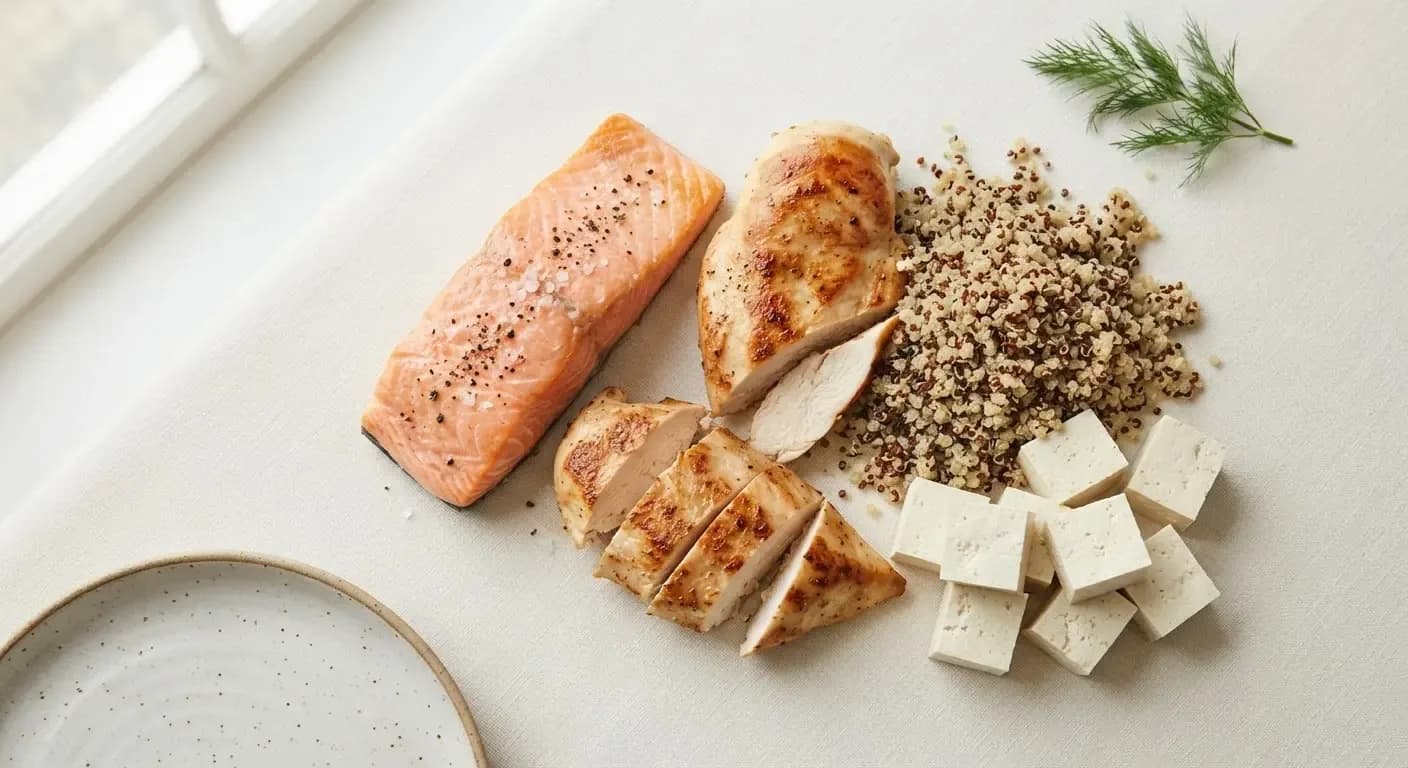
Ever feel like you need a science degree just to figure out what to eat? If you're trying to build muscle, stay full longer, or simply get healthier, you've probably heard a lot about protein. But then things get complicated with talk of 'complete' and 'incomplete' sources, and suddenly you're wondering if your lunch is good enough. It doesn't have to be that confusing.
"Discover the simple science behind protein, the best food sources for any diet, and how to make sure your body is getting exactly what it needs to thrive."
The Science of Protein: What Are Amino Acids?
Let's start with the basics. Think of proteins as long chains, and the individual links in those chains are called amino acids. Your body uses these amino acids for just about everything—from repairing muscle after a workout to building hormones and enzymes. They are the fundamental building blocks of you.
These amino acids fall into two simple categories:
- Non-essential amino acids: Your body is pretty clever and can make these on its own. There are 11 of them.
- Essential amino acids (EAAs): There are 9 amino acids that your body can't produce. You have to get these from the food you eat. No exceptions!
The nine essential amino acids are histidine, isoleucine, leucine, lysine, methionine, phenylalanine, threonine, tryptophan, and valine. Each one has a critical job. Leucine, for example, is a rockstar for triggering muscle growth, while tryptophan is a precursor to serotonin, which helps regulate your mood. For people looking to maintain emotional balance, some food supplements like NuviaLab Relax are even formulated with natural ingredients that support a good mood and help you relax.
Complete vs. Incomplete Proteins: What's the Difference?
This is where the terms 'complete' and 'incomplete' come into play, and it's simpler than it sounds. So, what are complete proteins? A food is called a 'complete protein' if it contains all nine of those essential amino acids in roughly adequate amounts. Easy enough.
An 'incomplete protein' is a food that's low in or missing one or more of these essential amino acids. But here's a crucial point: 'incomplete' does not mean 'bad' or 'useless'. It just means it's a team player, not a solo act.
For a long time, there was a myth that you had to combine incomplete proteins at every single meal to get the full benefit. This idea came from a book in the 1970s and was later corrected by the author. Science now shows that your body keeps a pool of amino acids to draw from throughout the day. As long as you eat a variety of protein sources over the course of a day, your body can pull what it needs to build complete proteins on its own.
The Best Animal-Based Complete Protein Sources
Foods from animal sources are almost always complete proteins, which makes them a straightforward choice. They come packed with all nine essential amino acids. Here are some of the best options:
- Poultry: A roasted 100g chicken or turkey breast provides around 32 grams of high-quality protein, making it a lean and effective choice.
- Lean Meats: Lean beef and pork are excellent protein sources. A 100g serving of 93/7 lean ground beef contains about 29 grams of protein. Plus, red meat is a great source of iron, and you can learn more about other iron rich foods to support your energy levels.
- Fish: Fatty fish like salmon are winners. A 100g piece of cooked salmon offers about 25 grams of protein and is packed with heart-healthy omega-3 fatty acids.
- Eggs: An egg is often called the 'perfect protein' for a reason. It's affordable, versatile, and provides a solid dose of essential amino acids.
- Dairy: Greek yogurt and cottage cheese are protein powerhouses. A single serving of non-fat Greek yogurt can have up to 17 grams of protein, along with beneficial probiotics.
Top 7 Plant-Based Complete Protein Sources
If you follow a plant-based diet or just want to eat less meat, you have some fantastic options for complete proteins. You don't always have to combine foods to get what you need. These plant-based superstars stand on their own:
- Soy: Tofu, tempeh, and edamame are all derived from soybeans and are true complete proteins. They are incredibly versatile for cooking.
- Quinoa: This ancient grain is technically a seed, and it contains all nine EAAs. It's also gluten-free and high in fiber.
- Buckwheat: Despite the name, buckwheat isn't related to wheat. It's a gluten-free fruit seed that serves as a complete protein and is great for making pancakes or porridge.
- Hemp Seeds: These tiny seeds pack a serious nutritional punch, offering complete protein and a healthy ratio of omega-3 and omega-6 fats.
- Chia Seeds: Another tiny giant, chia seeds are a complete protein source that's also famously high in fiber and omega-3s.
- Spirulina: This blue-green algae is a nutrient-dense powder you can add to smoothies. While its taste is often described as 'fishy' or 'like pond water,' its nutritional profile is impressive.
- Nutritional Yeast: A vegan's best friend! It has a cheesy, nutty flavor and is a complete protein. It's perfect for sprinkling on popcorn, pasta, or salads.
The Art of Protein Combining: Creating Complete Proteins from Plants
Most plant foods are incomplete proteins, but you can easily solve this with a simple strategy called 'protein combining.' This just means pairing two or more foods to create a meal that provides all nine essential amino acids. It’s the difference between animal vs plant protein sourcing.
For example, grains are typically low in the amino acid lysine, while legumes (like beans and lentils) are low in methionine. But when you put them together? Magic! You get a complete protein profile. Some classic, delicious examples include:
- Rice and Beans: A staple in cuisines around the world for a good reason.
- Hummus and Pita Bread: Chickpeas (a legume) paired with wheat (a grain).
- Peanut Butter on Whole-Wheat Toast: Peanuts (a legume) on bread (a grain).
Remember, you don't even need to eat these at the same time. As long as you consume a variety of grains, beans, nuts, and seeds throughout the day, your body will do the combining for you.
How Much Protein Do You Actually Need?
So, what's the magic number? The general recommendation for a mostly sedentary adult is about 0.8 grams of protein per kilogram of body weight (or 0.36 grams per pound). But your needs can change a lot based on your lifestyle. Your age, activity level, and health goals all play a role.
Here’s a simple table to give you a better idea of how much protein you might need:
Profile — Recommended Protein Intake (per kg of body weight)
Average, Sedentary Adult — 0.8 - 1.2 g/kg
Endurance Athlete — 1.2 - 1.6 g/kg
Strength Athlete / Muscle Building — 1.6 - 2.2 g/kg
Calculating how much protein you need is the first step. The next is fitting it into your daily routine, which can sometimes be a challenge, especially on busy days.
Frequently Asked Questions (FAQ)
Are protein powders a complete protein source?
Most of them are, yes. Powders made from animal sources like whey, casein, and egg are naturally complete. Plant-based powders from soy are also complete. Other plant-based powders, like pea or rice protein, are often sold as blends where manufacturers combine different sources to create a full amino acid profile.
Can you get too much protein?
For most people with healthy kidneys, high-protein diets are generally considered safe. Your body is good at processing it. However, if you have a pre-existing kidney condition, it’s important to speak with your doctor, as protein restriction might be necessary.
Is it better to get protein from animal or plant sources?
There's no single 'better' source; it's all about balance and what works for you. Animal proteins are very nutrient-dense, but plant-based protein 'packages' come with added benefits like fiber and antioxidants that are great for overall health.
Your Simple Strategy for Complete Protein Success
Getting enough high-quality protein is key to feeling and performing your best, but it doesn't have to be a source of stress. The big takeaway is to focus on eating a variety of foods you enjoy. Whether you prefer animal-based proteins, plant-based complete proteins, or a combination of both, a diverse diet is your best bet for long-term health. Don't worry about perfection at every meal—just aim for balance throughout your day.