A Practical Guide to Building a Balanced Diet
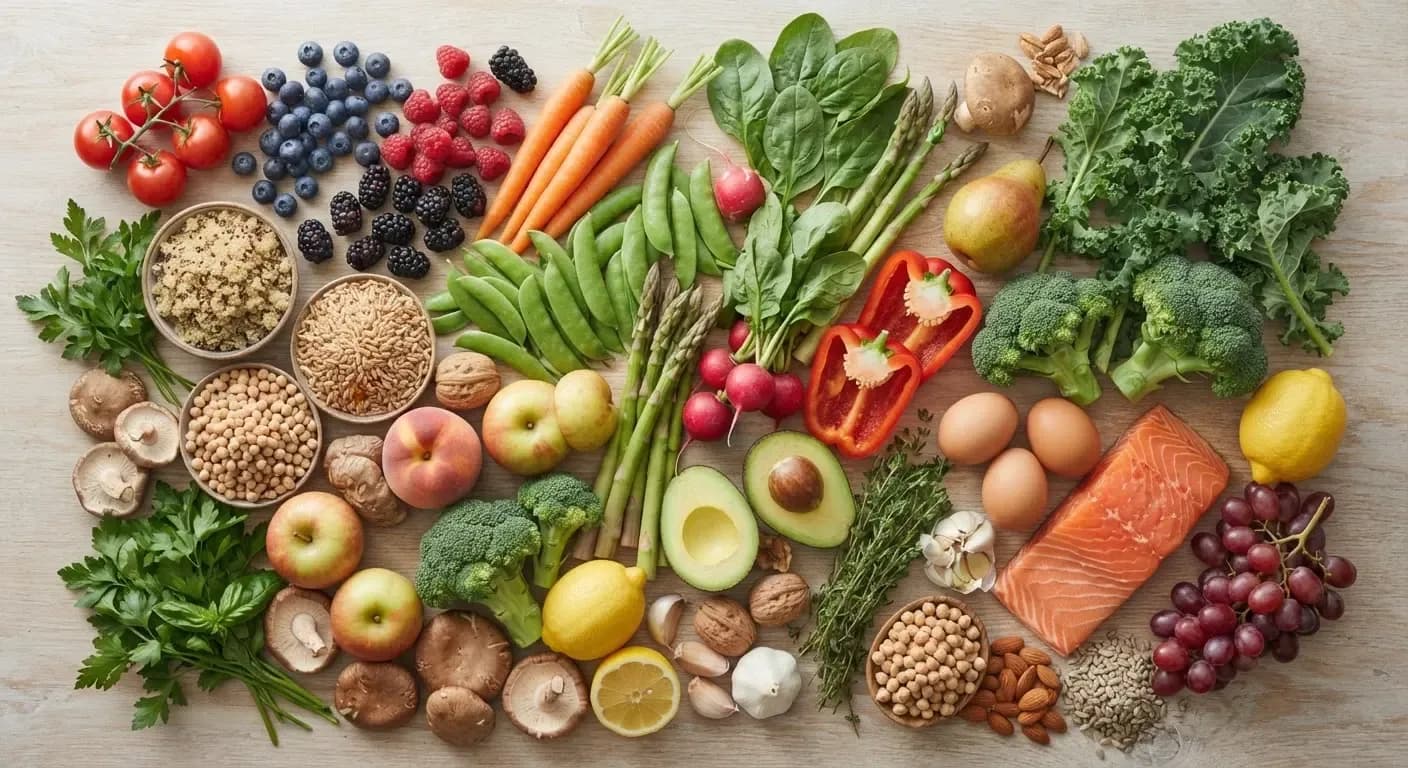
Tired of all the conflicting advice out there about what to eat? One day it's "no carbs," the next it's "eat only fat." It's confusing, and frankly, who has the time to figure it all out? This guide is different. We're going to cut through the noise and show you how to build a healthy, balanced diet that works for you—no crazy rules, no bland food, just simple principles for feeling your best.
"Forget restrictive fads. Let's build a way of eating that you can actually enjoy and stick with for the long run."
What is a Healthy, Balanced Diet (and Why Does It Matter)?
Let's clear something up first. A healthy, balanced diet isn't about restriction or deprivation. It's a sustainable way of eating that gives your body all the nutrients it needs to function at its peak. Think of it as fueling your body and mind, not punishing them.
When you eat a balanced diet, you're not just managing your weight. You're investing in your overall well-being. The benefits are huge: more consistent energy throughout the day (goodbye, afternoon slump!), a more stable mood, better gut health, and a lower risk of long-term health issues. It's truly the foundation for a healthy life.
The key to making it work is having a plan. It doesn't have to be complicated, but knowing what you're going to eat takes the guesswork out of it. Throughout this guide, we'll give you the building blocks for your own healthy eating plan.
The 3 Pillars of a Balanced Diet: What Your Body Needs
To build a balanced diet, you need to understand three core components. Think of them as the pillars holding up your health.
Pillar 1: Macronutrients (Carbs, Protein, and Fats)
These are the nutrients you need in larger amounts. They provide your body with energy (calories) and are the building blocks for growth and repair.
- Carbohydrates: Your body's main source of fuel. Don't fear them! Just choose the right kind. Focus on complex carbs like whole grains (oats, brown rice, quinoa), legumes (beans, lentils), and starchy vegetables (sweet potatoes, corn).
- Protein: Essential for building and repairing tissues, from muscles to skin. It also helps you feel full and satisfied. Great sources include lean meats, poultry, fish, eggs, dairy, tofu, and legumes.
- Fats: Crucial for brain health, hormone production, and absorbing certain vitamins. Focus on healthy unsaturated fats found in avocados, nuts, seeds, and olive oil.
Pillar 2: Micronutrients (Vitamins and Minerals)
You need these in smaller amounts, but they are mighty. Micronutrients are vital for thousands of bodily functions, from fighting off infections to converting food into energy. The best way to get a wide range of vitamins and minerals is to eat a variety of colorful fruits and vegetables—literally, eat the rainbow!
Pillar 3: The Healthy Plate Model
This is the easiest way to visualize a balanced meal without counting calories. It’s a simple guide to portioning your food. Imagine your plate divided into sections:
- 50% Fruits and Vegetables: Fill half your plate with a variety of non-starchy veggies and fruits.
- 25% Lean Protein: Fill a quarter of your plate with a healthy protein source.
- 25% Whole Grains/Complex Carbs: Fill the final quarter with a high-fiber carbohydrate.
How to Build Your Healthy Eating Plan: A Step-by-Step Guide
Knowing the pillars is one thing; putting them into practice is another. Here’s a simple, step-by-step guide to help you get started.
Step 1: Learn to Read Nutrition Labels
Food labels can be tricky, but you only need to focus on a few key things. Always check the serving size first, as all the numbers relate to that amount. Pay close attention to added sugars, sodium, and saturated fats—you generally want to keep these low.
Focus On — What to Look For
Serving Size — Make sure your portion matches the listed serving size.
Added Sugars — Aim for as low as possible. It's different from natural sugar in fruit.
Sodium — Choose lower-sodium options whenever you can.
Fiber — Higher is better! It helps with digestion and keeps you full.
Step 2: Master Meal Planning & Prep
Meal planning is a game-changer. It reduces decision fatigue during a busy week and prevents you from reaching for unhealthy convenience foods. Start small. You don't need to plan every meal for the whole month. Just try planning for the next three days.
For example, a mini-plan could look like this:
- Monday: Baked salmon with roasted broccoli and quinoa.
- Tuesday: Leftover salmon and quinoa over a big salad for lunch. Chicken and veggie stir-fry for dinner.
- Wednesday: Leftover stir-fry for lunch. Lentil soup for dinner.
Step 3: Hydrate Smartly
Your body needs water for almost everything. Sometimes when you think you’re hungry, you’re actually just thirsty. Aim to drink plenty of water throughout the day. If you find plain water boring, try infusing it with lemon, cucumber, or mint. Unsweetened herbal teas are also a great option.
If creating weekly plans and recipes feels like just another chore on your to-do list, remember there are tools to help. A service like a personalized meal planner can automate the entire process based on your goals and preferences. You can check out personalized plans here.
Making It Stick: Overcoming Common Healthy Eating Hurdles
Starting is easy, but sticking with it can be tough. Here’s how to handle some common roadblocks.
Picky Eaters and Family Meals
Cooking for a family with different tastes can be a challenge. Try involving your kids in the cooking process—they're more likely to try something they helped make. You can also serve meals deconstructed, like a taco bar, so everyone can build their own plate with the ingredients they like.
Eating Healthy on a Budget
Healthy eating doesn't have to be expensive. Focus on buying produce that's in season, as it's usually cheaper and tastier. Don't overlook the frozen aisle; frozen fruits and vegetables are just as nutritious as fresh ones and last much longer. Also, incorporate budget-friendly proteins like beans, lentils, and eggs into your meals.
Handling Cravings and 'Treats'
A balanced diet has room for the foods you love. Shifting your mindset from 'bad foods' to 'sometimes foods' is key. The 80/20 rule is a great approach: aim to eat nourishing foods 80% of the time and allow yourself to enjoy your favorite treats the other 20%. This flexibility makes healthy eating sustainable in the long run.
Frequently Asked Questions (FAQ)
How much protein do I really need?
Your protein needs depend on your age, sex, and activity level. A good general guideline is to include a source of protein with every meal. If you don't eat meat, you can get plenty of protein from plant-based sources like lentils, beans, tofu, tempeh, nuts, and seeds.
Is the sugar in fruit bad for me?
No, the natural sugar in whole fruit is not the same as the added sugar in processed foods and drinks. Fruit comes packaged with fiber, vitamins, and water, which helps your body process the sugar slowly. Added sugar offers no nutritional benefit and is what you should aim to limit.
What's the difference between whole grains and refined carbs?
Whole grains (like brown rice, oats) contain the entire grain kernel, which is packed with fiber, vitamins, and minerals. Refined carbs (like white bread, white rice) have had the most nutritious parts stripped away. Always choose whole grains when possible.
How can I eat healthy when dining out?
Look at the menu online before you go to find a healthy option. When ordering, don't be afraid to ask for small changes, like getting sauces or dressings on the side or swapping fries for a side salad or steamed vegetables.
Should I be taking supplements to achieve a balanced diet?
The goal should always be to get your nutrients from whole foods first. However, supplements can be useful for filling specific nutritional gaps or supporting certain wellness goals. For example, if you're struggling with stress and maintaining a good mood, a supplement like NuviaLab Relax, which contains natural ingredients, can help support emotional balance and relaxation as part of a healthy lifestyle.
Your Next Step Towards a Healthier, More Energetic Life
Creating a balanced diet is achievable. By focusing on the three pillars—macronutrients, micronutrients, and the plate model—and using practical strategies like meal planning, you can build a healthy lifestyle that lasts. Remember, it's about consistency, not perfection. Start with one or two small changes this week and build from there. You’ve got this!
If you need more guidance, check out our guide on healthy eating tips or learn more about the Mediterranean diet. Ready to turn knowledge into action? Stop guessing and start enjoying delicious, perfectly balanced meals designed for you.