Low-Sodium Diet: A Complete Guide for Better Health
Has your doctor ever told you to cut back on salt, leaving you feeling a bit lost and worried about bland, boring meals? You're definitely not alone. The idea of starting a low-sodium diet can feel overwhelming, but it's really an empowering step toward better health. It’s not about punishment or restriction; it's about discovering a new world of flavor while taking control of your well-being. With the right approach, reducing your sodium intake can be simple, delicious, and one of the best things you do for your body.
"This guide breaks down the low-sodium diet into simple, manageable steps, showing you it's not about bland food, but about smart, flavorful choices for a healthier life."
Why a Low-Sodium Diet Matters: The Science Explained
So, what's the big deal with sodium anyway? Sodium is a mineral that's essential for our bodies to function correctly. It helps with things like nerve function and balancing fluids. But here's a key point: sodium is not the same thing as salt. Table salt is actually a compound made of sodium and chloride. It's the sodium part we need to watch.
When you consume too much sodium, your body holds onto extra water to "dilute" it. This increases the total volume of blood inside your blood vessels. Think of it like turning up the pressure in a garden hose. Over time, this added pressure can damage your arteries and lead to high blood pressure, also known as hypertension. According to health organizations like the American Heart Association, high blood pressure is a major risk factor for heart disease and stroke, two of the leading causes of death worldwide. This makes managing your sodium intake a critical part of a heart healthy eating plan.
Health authorities recommend most adults consume no more than 2,300 milligrams (mg) of sodium per day—that's about one teaspoon of salt. For individuals with high blood pressure or other risk factors, the recommendation is even lower, ideally no more than 1,500 mg per day. Knowing these numbers gives you a clear target for your new healthy eating habits.
The Hidden Salt: How to Read Labels and Spot High-Sodium Foods
You might think the salt shaker on your table is the main culprit, but it's usually not. The surprising truth is that over 70% of the sodium we eat comes from processed, packaged, and restaurant foods. This is why learning how to spot hidden sodium is one of the most important skills for reducing your intake.
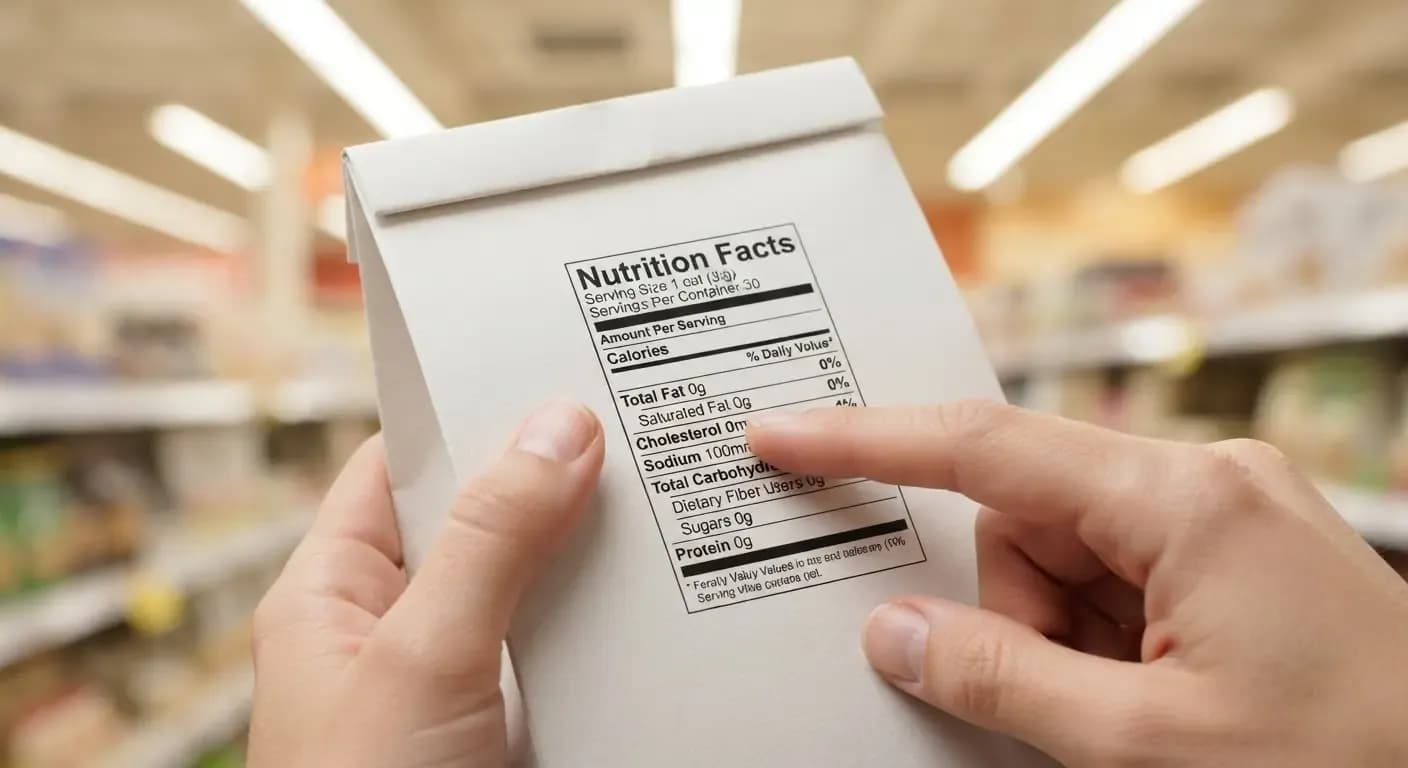
Your best tool is the Nutrition Facts label on food packaging. Look for the "Sodium" line. A good rule of thumb is to check the % Daily Value (%DV). A food is considered low in sodium if it has 5% DV or less, and high in sodium if it has 20% DV or more. Be a detective! You'll start noticing sodium in places you'd never expect.
To make it easier, be aware of the common high-sodium food categories, sometimes called the "Salty Six":
- Breads and Rolls: A single slice or roll can have a surprising amount of sodium, and it adds up quickly.
- Cured Meats and Cold Cuts: Items like bacon, sausage, and deli ham are preserved with sodium.
- Pizza: The combination of cheese, sauce, crust, and toppings makes this a sodium-heavy meal.
- Soup: Canned and restaurant soups are often loaded with salt for flavor and preservation.
- Sandwiches: When you combine bread, processed meats, cheese, and condiments, the sodium count can soar.
- Burritos and Tacos: These can be packed with sodium from the tortillas, seasoned meat, cheese, and sauces.
Also keep an eye on condiments like ketchup and soy sauce, salad dressings, and even some breakfast cereals. Becoming a label reader is your first step to making smarter choices at the grocery store.
Your Low-Sodium Shopping List: Foods to Embrace
Focusing on what you *can* eat makes a low-sodium diet much more enjoyable. Building your meals around naturally low-sodium foods is the key. Here is a simple shopping list to get you started on finding great low sodium foods.
Fruits & Vegetables
These are your best friends on a low-sodium diet. Go for fresh or frozen options without added sauces or salt. If you buy canned vegetables, look for "no salt added" labels or rinse them thoroughly under water to wash away some of the sodium.
Proteins
Choose fresh cuts of meat, poultry, and fish. For canned options like tuna or beans, buy those packed in water with "no salt added" or, again, rinse them well. Eggs and unsalted nuts are also excellent choices.
Grains
Opt for whole grains like brown rice, quinoa, and oats. When buying bread, compare labels and choose the option with the lowest sodium per slice.
Dairy
Milk and plain yogurt are naturally low in sodium. Cheeses can vary a lot, so check the labels. Cottage cheese, for example, can be surprisingly high in sodium unless you find a low-sodium version.
Low-Sodium Snacks
Snacking doesn't have to be a challenge. Reach for fresh fruit, chopped veggies with a homemade dip, a handful of unsalted nuts, or air-popped popcorn without salt.
Unleash the Flavor: Cooking Delicious Meals Without Salt
Let's tackle the biggest fear: that a low-sodium diet means bland food. That couldn't be further from the truth! Think of it as an invitation to become a more creative cook. Salt is just one type of flavor, and there is a whole world of other tastes to explore.
Here’s how to build incredible flavor without reaching for the salt shaker:
- Herbs and Spices: This is your new secret weapon. Fresh herbs like basil, cilantro, and parsley add brightness. Dried spices like cumin, smoked paprika, turmeric, and chili powder add warmth and complexity. Don't be afraid to experiment!
- Acidity: A squeeze of lemon or lime juice or a splash of vinegar at the end of cooking can brighten up a dish and mimic the flavor-enhancing effect of salt.
- Alliums: Garlic, onions, shallots, and leeks provide a deep, savory flavor base for almost any dish. Sautéing them at the start of a recipe builds a delicious foundation.
Cooking techniques also play a huge role. Roasting or grilling vegetables and meats brings out their natural sugars through caramelization, creating a rich flavor that doesn't need much help. Searing meat in a hot pan does the same thing. You'll be amazed at how much flavor you can create.
Frequently Asked Questions About a Low-Sodium Diet
Is sea salt or Himalayan pink salt healthier than table salt?
Not really. While they may contain trace amounts of other minerals, sea salt and pink salt are chemically very similar to table salt. They are all about 40% sodium by weight, so they should be used just as sparingly.
How can I eat out at restaurants on a low-sodium diet?
It can be tricky, but it's possible! Check menus online beforehand. When ordering, don't be shy about making special requests. Ask for your food to be prepared without added salt and get sauces or dressings on the side so you can control how much you use.
Will I get enough sodium for my body to function?
Yes. Sodium is naturally present in many whole foods like vegetables and dairy products. It is extremely difficult to consume too little sodium on a balanced diet, even one that actively avoids added salt.
How long does it take to get used to less salt?
Your taste buds are remarkably adaptable! Studies show that it can take just a few weeks for your palate to adjust to a lower-sodium diet. Soon, you'll start noticing the natural flavors in food more, and overly salty foods may even taste unpleasant.
Conclusion
Starting a low-sodium diet is a powerful step towards better health, especially for your heart. It’s all about making smart, informed choices, from reading labels at the store to exploring new flavors in your kitchen. Remember, this is a journey of discovery, not deprivation. By focusing on fresh, whole foods and getting creative with herbs and spices, you can enjoy delicious meals while taking excellent care of your body.