A Beginner's Guide to the Mediterranean Diet Meal Plan
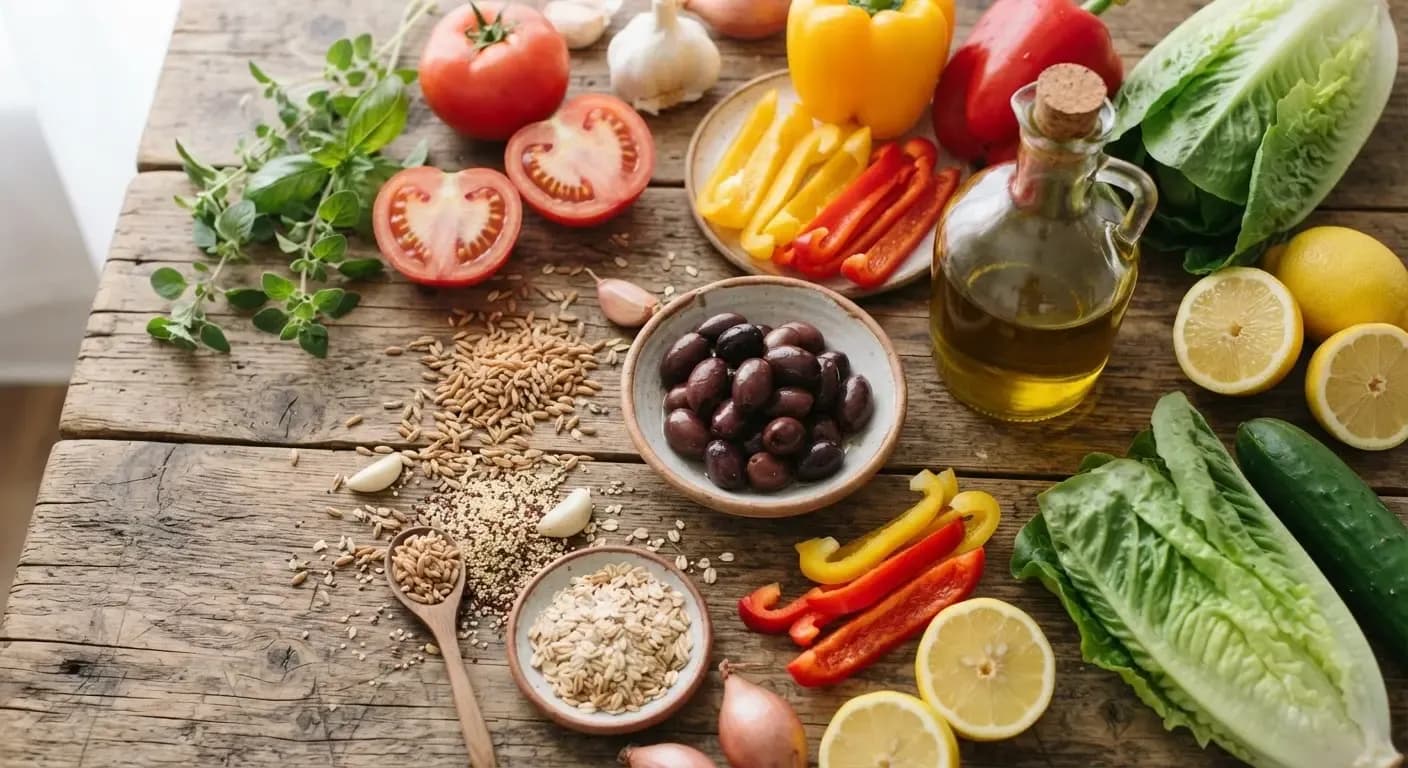
Tired of diets that list all the things you can't eat? It feels like every plan is about restriction, and honestly, that just doesn't last. What if you could improve your health with a way of eating that's all about adding delicious, vibrant foods to your plate? That's the secret of the Mediterranean lifestyle, and this guide will show you exactly how to get started.
"Imagine a diet where delicious food, shared meals, and even a glass of wine aren't just allowed, but are part of the plan. That's not a dream; it's the Mediterranean way."
Why the Mediterranean Diet is Your Path to a Healthier Lifestyle
Let's be real, most diets fail. They're complicated, they make you give up your favorite foods, and they're just not sustainable. The Mediterranean diet is different. It's not a strict set of rules, but an enjoyable approach to eating that has been proven to work for long-term health. It’s inspired by the traditional eating habits of countries like Greece and Italy—places known for long, healthy lives.
The core idea is simple: focus on whole foods. Think fresh vegetables, fruits, whole grains, beans, nuts, and healthy fats like olive oil. It's about flavor and satisfaction, not deprivation. In this guide, we’ll cover exactly what the Mediterranean diet is, its amazing health benefits, the complete food list, and even a sample meal plan to get you going. It’s a complete roadmap to a healthier you.
(This article may contain affiliate links. We may earn a commission if you make a purchase.)
If you want to make the transition even smoother, a personalized service can build a mediterranean diet meal plan just for you, taking all the guesswork out of it.
What is the Mediterranean Diet, Really? The Core Principles
So, what does eating “Mediterranean” actually mean? It's built on a few key pillars that are easy to remember. First, it prioritizes plants. Fruits, vegetables, whole grains, legumes, and nuts should be the foundation of your meals. They're packed with fiber, vitamins, and minerals.
Next up is fat, but the healthy kind. Extra virgin olive oil is the main source of fat, used for everything from cooking to dressing salads. Instead of butter or margarine, you'll be using this liquid gold. Fish and poultry are the go-to proteins, enjoyed in moderation a few times a week. Red meat is saved for special occasions.
But the Mediterranean diet is more than just food. It’s a lifestyle. It includes regular physical activity—like a daily walk—and recognizes the importance of sharing meals with friends and family. This social aspect is a huge part of why it's so sustainable and enjoyable. Think of it as a pyramid: the base is full of foods you eat every day (plants, olive oil), and the very top has the foods you eat less often (red meat and sweets).
The Science-Backed Health Benefits of Eating Mediterranean
This isn't just a trendy way to eat; it's one of the most studied dietary patterns in the world. And the results are impressive. One of the biggest benefits is for your heart. Major studies, like the famous PREDIMED trial, have shown that this diet can significantly lower the risk of heart attacks and strokes. It's so effective that organizations like the American Heart Association recommend it for heart healthy eating.
But it doesn't stop there. Because it's focused on whole, filling foods, the Mediterranean diet can help with sustainable weight management without leaving you feeling hungry. It's also linked to a reduced risk of type 2 diabetes and can help control blood sugar levels. Plus, it's a powerful anti-inflammatory diet, which can help with a wide range of health issues.
What's really exciting are the cognitive benefits. The nutrients and healthy fats in this diet are amazing for your brain. Studies suggest it can help protect against age-related memory loss and keep your mind sharp as you get older. You're not just feeding your body; you're feeding your brain, too.
Your Complete Mediterranean Diet Food List: What to Eat & Limit
Ready to stock your kitchen? Getting started is all about knowing which foods to embrace. We can break it down into three simple categories. The key here is that 'limit' doesn't mean 'never.' It's about balance and focusing on the good stuff most of the time.
Here is a simple breakdown of the mediterranean diet food list:
Category — Examples
Foods to Eat in Abundance — Vegetables (tomatoes, broccoli, spinach, onions), Fruits (apples, bananas, oranges, grapes), Nuts & Seeds (almonds, walnuts), Legumes (beans, lentils, chickpeas), Whole Grains (oats, brown rice, whole-wheat bread), Fish (salmon, sardines, tuna), Extra Virgin Olive Oil.
Foods to Enjoy in Moderation — Poultry (chicken, turkey), Eggs, Cheese (feta, goat cheese), Yogurt (especially Greek yogurt).
Foods to Limit — Red Meat (beef, pork), Sugary Drinks (soda, sweetened juices), Sweets (pastries, ice cream, candy), Processed Meats (sausages, hot dogs), Refined Grains (white bread, white pasta), Processed Foods.
A Sample 7-Day Mediterranean Diet Meal Plan for Beginners
Seeing it all laid out can make it feel much more achievable. Here’s a sample 7 day mediterranean diet meal plan to give you an idea of what a week could look like. Remember, these are just ideas—feel free to mix and match!
Day — Breakfast — Lunch — Dinner
Monday — Greek yogurt with berries and walnuts. — Whole-grain sandwich with hummus and veggies. — Baked salmon with roasted asparagus and quinoa.
Tuesday — Oatmeal with sliced fruit and a sprinkle of cinnamon. — Leftover salmon salad over mixed greens. — Lentil soup with a side of whole-wheat bread.
Wednesday — Scrambled eggs with spinach and feta cheese. — Quinoa salad with chickpeas, cucumber, and tomatoes. — Grilled chicken skewers with a large Greek salad.
Thursday — Whole-wheat toast with avocado and a sprinkle of red pepper flakes. — Leftover lentil soup. — Whole-wheat pasta with shrimp, garlic, and cherry tomatoes.
Friday — Greek yogurt with honey and almonds. — Tuna salad (made with olive oil) in a whole-wheat pita. — Vegetable and bean stew (cassoulet style).
Saturday — Oatmeal with seeds and a chopped apple. — Leftover vegetable stew. — Homemade pizza on whole-wheat dough with lots of veggies.
Sunday — Omelet with bell peppers, onions, and mushrooms. — Large salad with grilled chicken strips. — Roasted chicken with root vegetables like carrots and potatoes.
Looking at that list, you can see how delicious and varied it is! But let's be honest, creating a plan like this every single week, making the grocery list, and prepping can feel overwhelming. That’s often where good intentions fall apart.
Making It Effortless: The Smart Way to Start Your Mediterranean Journey
The biggest hurdles to starting any new way of eating are time and effort. Who has hours to spend every week searching for mediterranean diet recipes, planning meals, and writing out detailed grocery lists? It can lead to decision fatigue, and before you know it, you're back to your old habits.
This is where a personalized meal plan service can be a lifesaver. Instead of struggling on your own, you get a plan tailored to your tastes and goals. It eliminates all the guesswork. A service like this one provides variety so you never get bored and ensures you're getting the right balance of nutrients.
Think of it as a tool for success. A structured plan helps you build the lasting habits that lead to real change. It’s the easiest way to ensure you stick with your new, healthy lifestyle long enough to see and feel the incredible benefits.
Frequently Asked Questions (FAQ)
Can I drink wine on the Mediterranean diet?
Yes, in moderation. Red wine is typically enjoyed with meals, but it's important to keep it to about one glass a day for women and up to two for men.
Is the Mediterranean diet expensive?
It doesn't have to be! You can make it very budget-friendly by focusing on seasonal produce, buying grains and beans in bulk, and using frozen fruits and vegetables, which are just as nutritious.
Can this diet be adapted for vegetarians or gluten-free needs?
Absolutely. It's very flexible. For vegetarians, legumes, nuts, and seeds become the primary protein sources. For a gluten-free diet, you can easily swap traditional grains for options like quinoa, brown rice, and buckwheat.
How quickly can I expect to see results or weight loss?
It's best to think of this as a long-term lifestyle change, not a quick-fix diet. Weight loss is often gradual and sustainable. More importantly, you'll start feeling more energetic and vibrant pretty quickly.
Your Journey to Better Health Starts Today
The Mediterranean diet is more than a meal plan; it's a celebration of food, health, and life. It's a powerful, enjoyable, and sustainable way to improve your health from the inside out. By focusing on delicious whole foods, you can protect your heart, sharpen your mind, and feel your best.
You have everything you need to begin. The first step is often the hardest, but you don't have to do it alone. If you're ready to make a change without the stress of planning, consider getting a head start. Your journey to a healthier, happier you can start right now.
You can get started with your own plan right here: Start Your Transformation with a Custom Meal Plan.