The Best Diet for High Blood Pressure: A Complete Guide
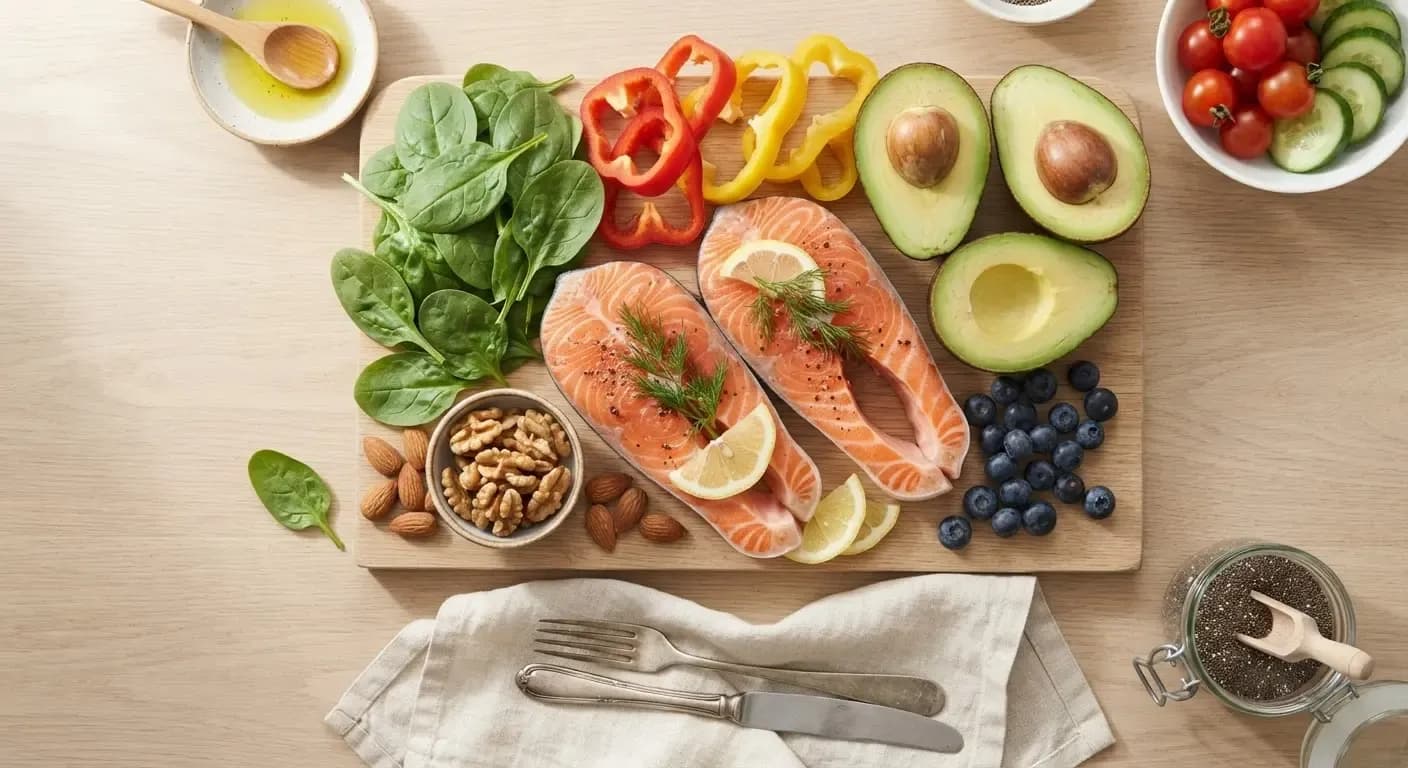
Tired of all the confusing advice about managing high blood pressure? It feels like one day you hear one thing, and the next day, something totally different. The good news is that your diet is one of the most powerful tools you have to take control. But, yeah, knowing where to even start can be a lot.
"What if lowering your blood pressure wasn't about deprivation, but about adding delicious, powerful foods to your plate?"
How Your Diet Directly Impacts Blood Pressure
It’s kind of wild how much what we eat affects the pressure in our blood vessels. It really boils down to a few key players. Think of it like a balancing act inside your body.
On one side, you have sodium (salt). When you eat too much sodium, your body holds onto extra water to wash it out. This extra water increases the volume of blood flowing through your blood vessels, which, you guessed it, raises the pressure. And sodium is sneaky! It's not just in the salt shaker. It hides in things you'd never expect, like bread, processed meats, and canned soups.
On the other side of the balancing act is potassium. Potassium is the good guy here. It helps your body get rid of sodium and also helps ease tension in your blood vessel walls. So, more potassium means lower blood pressure. Other minerals like magnesium and calcium also play a role by helping your blood vessels relax and work properly. It’s all about getting the right balance.
The DASH Diet: The Gold Standard for Lowering Blood Pressure
If you're looking for the best diet for high blood pressure, you're going to hear about the DASH diet. And for good reason! DASH stands for "Dietary Approaches to Stop Hypertension," and it was specifically designed by scientists to lower blood pressure. It’s not a weird fad; it’s backed by solid research.
The core idea of this hypertension diet is simple: eat more of the good stuff and less of the not-so-good stuff. It focuses on foods that are rich in potassium, calcium, magnesium, and fiber. Here’s what it looks like:
- Lots of fruits and vegetables: Aim for 4-5 servings of each per day.
- Whole grains: Think brown rice, oatmeal, and whole-wheat bread.
- Lean protein: Chicken, fish, and beans are your friends.
- Low-fat dairy: Milk, yogurt, and cheese can be part of the plan.
What does it limit? Foods high in saturated fat, sugar, and, most importantly, sodium. We're talking less red meat, fewer sweets and sugary drinks, and steering clear of highly processed foods. Studies on the DASH diet have shown it can lower systolic blood pressure by a lot—in some cases by as much as 11 points in people with hypertension.
Other Effective Diets: The Mediterranean Approach
The DASH diet isn't the only player in the game. You've probably heard about the Mediterranean diet, which is famous for its heart-health benefits. It's less of a strict diet and more of a lifestyle, inspired by the eating habits of people in countries like Greece and Italy.
This approach is big on healthy fats from olive oil, nuts, and avocados. It also includes plenty of fruits, vegetables, whole grains, and fish. It’s similar to DASH because it's all about whole, natural foods. The main difference is its strong emphasis on olive oil as the primary source of fat. While it wasn't designed specifically for hypertension, its anti-inflammatory properties and focus on whole foods definitely contribute to better blood pressure and overall heart healthy eating. For someone whose main goal is lowering blood pressure, DASH has slightly stronger evidence, but the Mediterranean diet is a fantastic and flexible long-term choice.
Foods to Eat and Foods to Limit for Healthy Blood Pressure
Okay, let's get practical. What should you actually put in your shopping cart? Focusing on a healthy eating plan for high blood pressure is about making smart swaps. Here's a quick guide.
Foods to Embrace
- Potassium-Rich Foods: Bananas, oranges, spinach, sweet potatoes, tomatoes, and avocados.
- Lean Proteins: Skinless chicken or turkey, fish (especially those high in omega-3s like salmon), beans, and lentils.
- Whole Grains: Oats, brown rice, quinoa, and whole-wheat pasta and bread.
- Low-Fat Dairy: Skim milk, Greek yogurt, and low-fat cheese.
- Nuts and Seeds: Unsalted almonds, walnuts, and flaxseeds are great choices.
Foods to Limit
- High-Sodium Foods: This is the big one. Watch out for canned soups, frozen dinners, processed meats (like deli meat and bacon), pizza, and savory snacks. A low sodium diet is crucial.
- Sugary Drinks: Sodas and sweetened juices can contribute to weight gain, which impacts blood pressure.
- Saturated and Trans Fats: Found in red meat, butter, and many processed baked goods.
- Excess Alcohol: Drinking too much can raise your blood pressure over time.
A great tip is to start reading nutrition labels. Pay attention to the sodium content per serving. It can be a real eye-opener!
Putting It Into Practice: A Sample DASH Diet Meal Plan
Seeing it all laid out can make it feel much more doable. Here’s what a single day on a DASH diet meal plan might look like. No fancy ingredients, just simple, good food.
- Breakfast: A bowl of oatmeal made with low-fat milk, topped with a handful of berries and a sprinkle of unsalted nuts.
- Lunch: A big salad with grilled chicken breast, lots of leafy greens, tomatoes, cucumbers, and a light vinaigrette dressing made with olive oil and vinegar.
- Dinner: Baked salmon served with a side of quinoa and steamed broccoli. Use herbs like dill and a squeeze of lemon for flavor instead of salt.
- Snacks: An apple with a spoonful of natural peanut butter, or a cup of Greek yogurt.
Some practical tips to make it easier: cook in batches to have healthy meals ready to go, use herbs and spices to add flavor without salt, and always keep healthy snacks on hand so you're not tempted by junk food.
Feeling Overwhelmed? A Little Support Can Help
Let's be real: knowing what to do is one thing, but actually doing it is another. Changing lifelong habits can be stressful and overwhelming. You might feel a little on edge or just plain tired of thinking about food all the time. That's completely normal.
This is where managing your mood and emotional balance becomes so important. Stress itself can impact your health goals. Sometimes, a little extra support can make all the difference. While it's not a diet plan, a supplement like NuviaLab Relax is designed to help with this side of the journey. Its natural ingredients help support a good mood and a sense of calm. When you feel more relaxed and balanced, sticking to new, healthy habits can feel a lot less like a battle.
This article contains affiliate links. If you purchase a product through one of them, we may receive a commission.
If you feel like the stress of a lifestyle change is getting to you, you can see the details here. It might be the support you need to stay on track.
Frequently Asked Questions (FAQ)
How long does it take for diet to lower blood pressure?
With a plan like the DASH diet, you might see improvements in your blood pressure in as little as two weeks. The key is consistency!
Can I still drink coffee and alcohol?
For most people, regular, moderate coffee intake doesn't seem to cause long-term high blood pressure. However, alcohol is a different story. Drinking too much can raise blood pressure, so it's best to limit it according to health guidelines.
Are salt substitutes a good idea?
For many people, yes. Most salt substitutes use potassium chloride, which can help lower blood pressure. However, they are not safe for everyone, especially people with kidney problems or those on certain medications. Always check with your doctor before using them.
What about exercise and other lifestyle factors?
Diet is a huge piece of the puzzle, but it's not the only one. Regular physical activity, managing stress, getting enough sleep, and not smoking are all super important for managing blood pressure and overall health.
Take the First Step Towards a Healthier Heart Today
You've got this. The best diet for high blood pressure isn't about perfection; it's about progress. Focusing on whole foods like fruits, veggies, and lean proteins while cutting back on sodium and processed junk is the most effective approach. Every small, healthy choice you make is a win.
Remember that you have the power to make a huge difference in your health. Start with one small change today. And if you need a little help managing the stress that comes with making big life changes, a supportive supplement could be worth exploring. Here's that link again for a helping hand on your journey to a healthier you.